Speed's Test & Biceps Pathology 🩺
Learn about the clinical value of Speed's test in diagnosing biceps and SLAP lesions. Watch the full video on our YouTube channel!

Physiotutors
3.8K views • Jan 23, 2025
About this video
To watch the full video, visit our YouTube channel!
The SPEEDS test has a low clinical value for including or excluding SLAP lesions or other biceps pathologies (Hegedus et al., 2012).
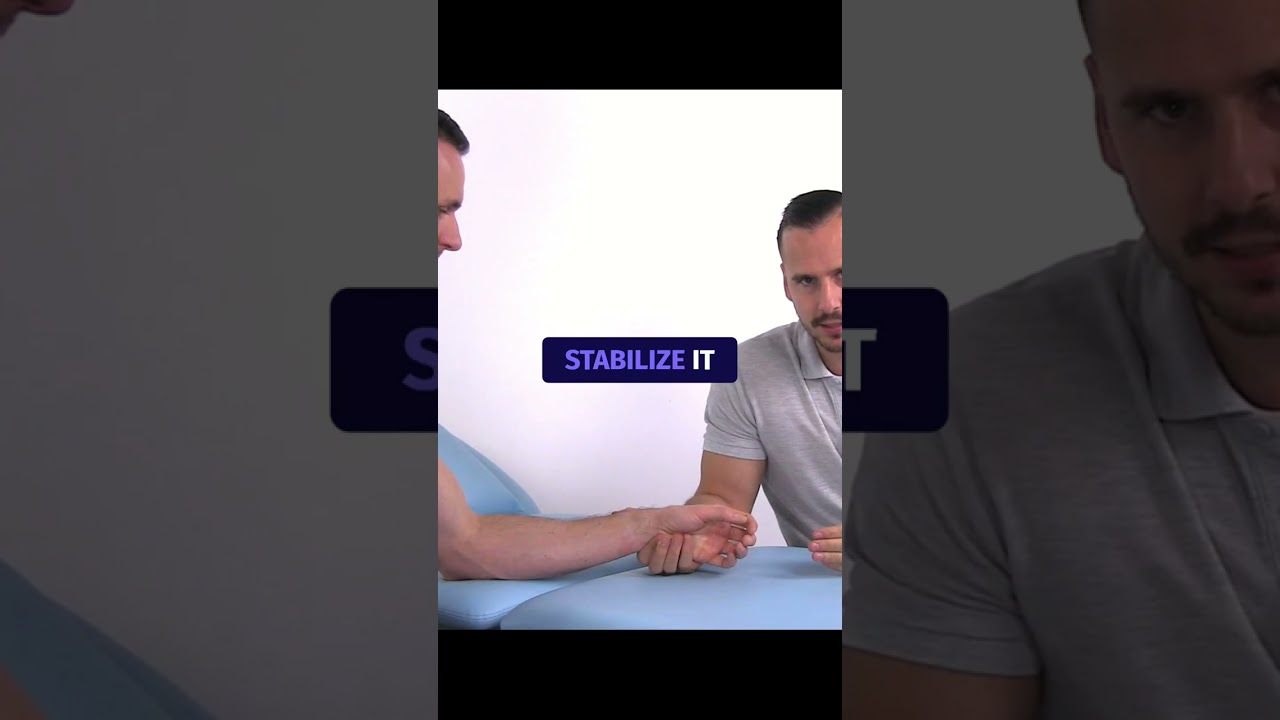
The literature describes two different performances of the SPEEDS test.
For the first version, ask a patient to extend their elbow and fully supinate their forearm. Then, the patient flexes their shoulder from 0 to 60 degrees while the examiner provides resistance.
In the second version, which is the version commonly used nowadays, the patient is asked to extend their elbow, fully supinate their forearm again, and bring the shoulder into 90 degrees of flexion. In this position, the patient is asked to resist downward pressure.
When a patient’s arm is placed in the examining position for the SPEEDS test and downward pressure is applied, the biceps tendon acts like a suspensor cable from its insertion on the superior labrum to the arm. Increased tension in this cable, and the presence of inflammation, is thought to result in pain in the shoulder.
Our Clinical Patterns Database: Get a quick overview of common pathologies at a glance! Swipe in flashcards style to review more details on Pathophysiology, diagnosis, and treatment.
A great learning tool or quick refresher when prepping for a patient.
Check it out for free on our app.
Link in bio
#Physiotutorsapp #Physiotutors #clinicalpatterns #learning #dpt
The SPEEDS test has a low clinical value for including or excluding SLAP lesions or other biceps pathologies (Hegedus et al., 2012).
The literature describes two different performances of the SPEEDS test.
For the first version, ask a patient to extend their elbow and fully supinate their forearm. Then, the patient flexes their shoulder from 0 to 60 degrees while the examiner provides resistance.
In the second version, which is the version commonly used nowadays, the patient is asked to extend their elbow, fully supinate their forearm again, and bring the shoulder into 90 degrees of flexion. In this position, the patient is asked to resist downward pressure.
When a patient’s arm is placed in the examining position for the SPEEDS test and downward pressure is applied, the biceps tendon acts like a suspensor cable from its insertion on the superior labrum to the arm. Increased tension in this cable, and the presence of inflammation, is thought to result in pain in the shoulder.
Our Clinical Patterns Database: Get a quick overview of common pathologies at a glance! Swipe in flashcards style to review more details on Pathophysiology, diagnosis, and treatment.
A great learning tool or quick refresher when prepping for a patient.
Check it out for free on our app.
Link in bio
#Physiotutorsapp #Physiotutors #clinicalpatterns #learning #dpt
Video Information
Views
3.8K
Likes
81
Duration
1:00
Published
Jan 23, 2025
User Reviews
4.6
(3) Related Trending Topics
LIVE TRENDSRelated trending topics. Click any trend to explore more videos.
Trending Now