Allergy: Causes, Symptoms & Treatments 🤧
Learn about allergy causes, signs, diagnosis, and treatment options to manage allergic reactions effectively.

Medical Centric
170.1K views • Jul 7, 2018
About this video
.
Chapters
0:00 Introduction
0:22 Causes of Allergy
0:55 Symptoms of Allergy
2:37 Diagnosis of Allergy
3:42 Treatment of Allergy
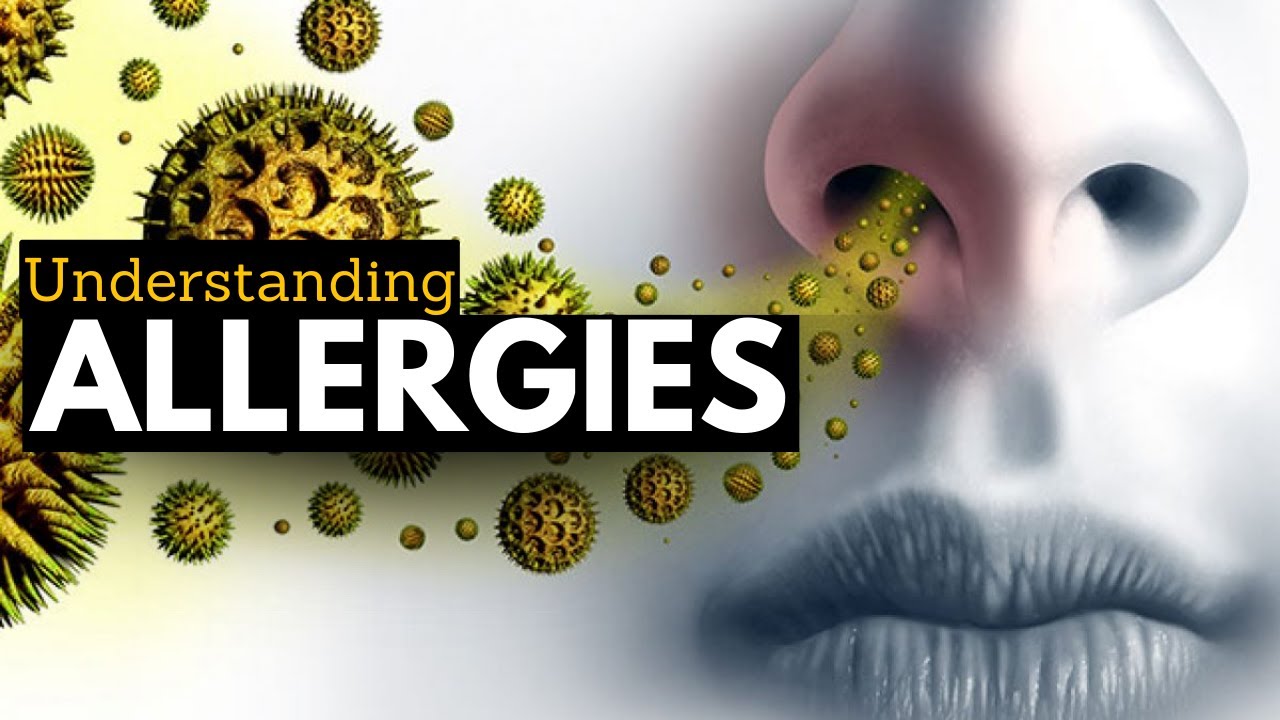
Allergy occurs when a person's immune system reacts to substances in the environment that are harmless for most people. These substances are known as allergens and are found in dust mites, pets, pollen, insects, ticks, moulds, foods and some medicines.
A particular antibody called immunoglobin (IgE) causes allergic reactions. Antibodies are released to combat foreign and potentially harmful substances in the body.
IgE is released to destroy the allergen and causes the production of chemicals that trigger the allergic reaction.
One of these chemicals is called histamine. Histamine causes tightening of the muscles in the airways and the walls of blood vessels. It also instructs the lining of the nose to produce more mucus.
There are many types of anti-allergy medications. The choice of medication and how it is given depends on the severity of the reaction.
Long-acting antihistamines, These medications are available over the counter. They are meant to be taken for months at a time, even indefinitely. Most can be taken once a day and last for 24 hours.
Chapters
0:00 Introduction
0:22 Causes of Allergy
0:55 Symptoms of Allergy
2:37 Diagnosis of Allergy
3:42 Treatment of Allergy
Allergy occurs when a person's immune system reacts to substances in the environment that are harmless for most people. These substances are known as allergens and are found in dust mites, pets, pollen, insects, ticks, moulds, foods and some medicines.
A particular antibody called immunoglobin (IgE) causes allergic reactions. Antibodies are released to combat foreign and potentially harmful substances in the body.
IgE is released to destroy the allergen and causes the production of chemicals that trigger the allergic reaction.
One of these chemicals is called histamine. Histamine causes tightening of the muscles in the airways and the walls of blood vessels. It also instructs the lining of the nose to produce more mucus.
There are many types of anti-allergy medications. The choice of medication and how it is given depends on the severity of the reaction.
Long-acting antihistamines, These medications are available over the counter. They are meant to be taken for months at a time, even indefinitely. Most can be taken once a day and last for 24 hours.
Tags and Topics
Browse our collection to discover more content in these categories.
Video Information
Views
170.1K
Likes
1.5K
Duration
5:11
Published
Jul 7, 2018
User Reviews
4.4
(34) Related Trending Topics
LIVE TRENDSRelated trending topics. Click any trend to explore more videos.
No specific trending topics match this video yet.
Explore All Trends