Stanford Seminar: Understanding the TLS 1.3 Protocol
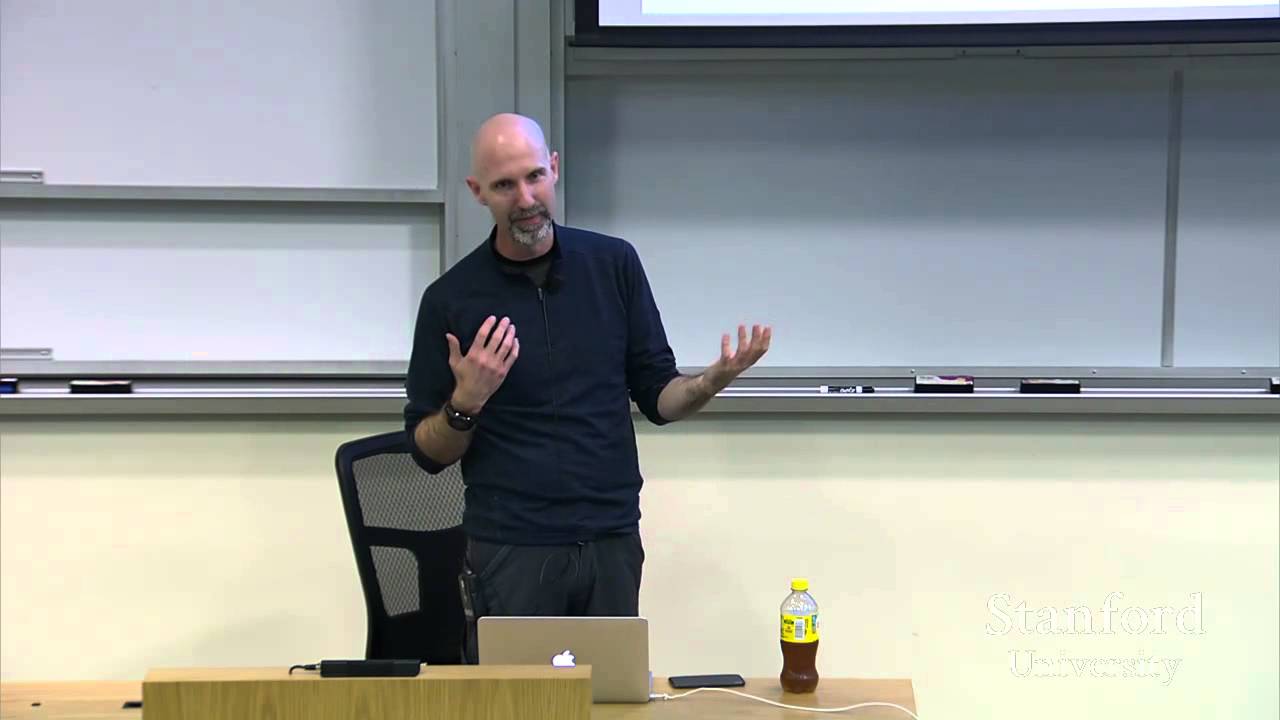
Join Eric Rescorla from Mozilla and RTFM, Inc. as he discusses the Transport Layer Security (TLS) 1.3 Protocol, which is essential for securing web traffic and other communications.
Stanford Online
23.6K views • Nov 19, 2015
About this video
"The TLS 1.3 Protocol" - Eric Rescorla of Mozilla and RTFM, Inc.
About the talk:
Transport Layer Security (TLS) is used for securing everything from Web transactions (HTTPS) to voice and video calls (DTLS-SRTP). However, the basic design of TLS dates back to the mid 1990s and the protocol is starting to show its age: TLS contains a number of features which no longer seem desirable and recent analytic work has discovered a number of protocol vulnerabilities (Triple Handshake, Logjam, etc.). In addition, as cryptographic algorithms have gotten faster, handshake latency has become a higher priority and TLS's current handshake does not reflect the state of the art.
In order to address these issues, the IETF TLS Working Group is currently developing a major revision of TLS, dubbed "TLS 1.3". TLS 1.3 has five major objectives:
Clean up: Remove unused or unsafe features
Security: Improve security by using modern security analysis techniques
Privacy: Encrypt more of the protocol
Performance: Our target is a 1-RTT handshake for naive clients; 0-RTT handshake for repeat connections
Continuity: Maintain existing important use cases
In this talk, we will cover the TLS 1.3 protocol itself, its design process, and current status.
About the speaker:
Eric Rescorla works at Mozilla, where he focuses on networking, security, voice, and video. He is presently the document editor for TLS 1.3 and is working on the TLS 1.3 implementation for Firefox.
Support for the Stanford Colloquium on Computer Systems Seminar Series provided by the Stanford Computer Forum.
Speaker Abstract and Bio can be found here: http://ee380.stanford.edu/Abstracts/151118.html
For more info about the EE380 series: http://ee380.stanford.edu
Colloquium on Computer Systems Seminar Series (EE380) presents the current research in design, implementation, analysis, and use of computer systems. Topics range from integrated circuits to operating systems and programming languages. It is free and open to the public, with new lectures each week.
Learn more: http://bit.ly/WinYX5
About the talk:
Transport Layer Security (TLS) is used for securing everything from Web transactions (HTTPS) to voice and video calls (DTLS-SRTP). However, the basic design of TLS dates back to the mid 1990s and the protocol is starting to show its age: TLS contains a number of features which no longer seem desirable and recent analytic work has discovered a number of protocol vulnerabilities (Triple Handshake, Logjam, etc.). In addition, as cryptographic algorithms have gotten faster, handshake latency has become a higher priority and TLS's current handshake does not reflect the state of the art.
In order to address these issues, the IETF TLS Working Group is currently developing a major revision of TLS, dubbed "TLS 1.3". TLS 1.3 has five major objectives:
Clean up: Remove unused or unsafe features
Security: Improve security by using modern security analysis techniques
Privacy: Encrypt more of the protocol
Performance: Our target is a 1-RTT handshake for naive clients; 0-RTT handshake for repeat connections
Continuity: Maintain existing important use cases
In this talk, we will cover the TLS 1.3 protocol itself, its design process, and current status.
About the speaker:
Eric Rescorla works at Mozilla, where he focuses on networking, security, voice, and video. He is presently the document editor for TLS 1.3 and is working on the TLS 1.3 implementation for Firefox.
Support for the Stanford Colloquium on Computer Systems Seminar Series provided by the Stanford Computer Forum.
Speaker Abstract and Bio can be found here: http://ee380.stanford.edu/Abstracts/151118.html
For more info about the EE380 series: http://ee380.stanford.edu
Colloquium on Computer Systems Seminar Series (EE380) presents the current research in design, implementation, analysis, and use of computer systems. Topics range from integrated circuits to operating systems and programming languages. It is free and open to the public, with new lectures each week.
Learn more: http://bit.ly/WinYX5
Tags and Topics
Browse our collection to discover more content in these categories.
Video Information
Views
23.6K
Likes
230
Duration
01:24:09
Published
Nov 19, 2015
User Reviews
4.3
(4) Related Trending Topics
LIVE TRENDSRelated trending topics. Click any trend to explore more videos.
No specific trending topics match this video yet.
Explore All Trends