Rotator Cuff Injury: Symptoms, Diagnosis & Treatment
Learn about rotator cuff injuries, their symptoms, diagnosis, and treatment options for shoulder pain and instability. 🩺

St. Charles Center for Orthopedics & Neurosurgery
142.4K views • Apr 3, 2023
About this video
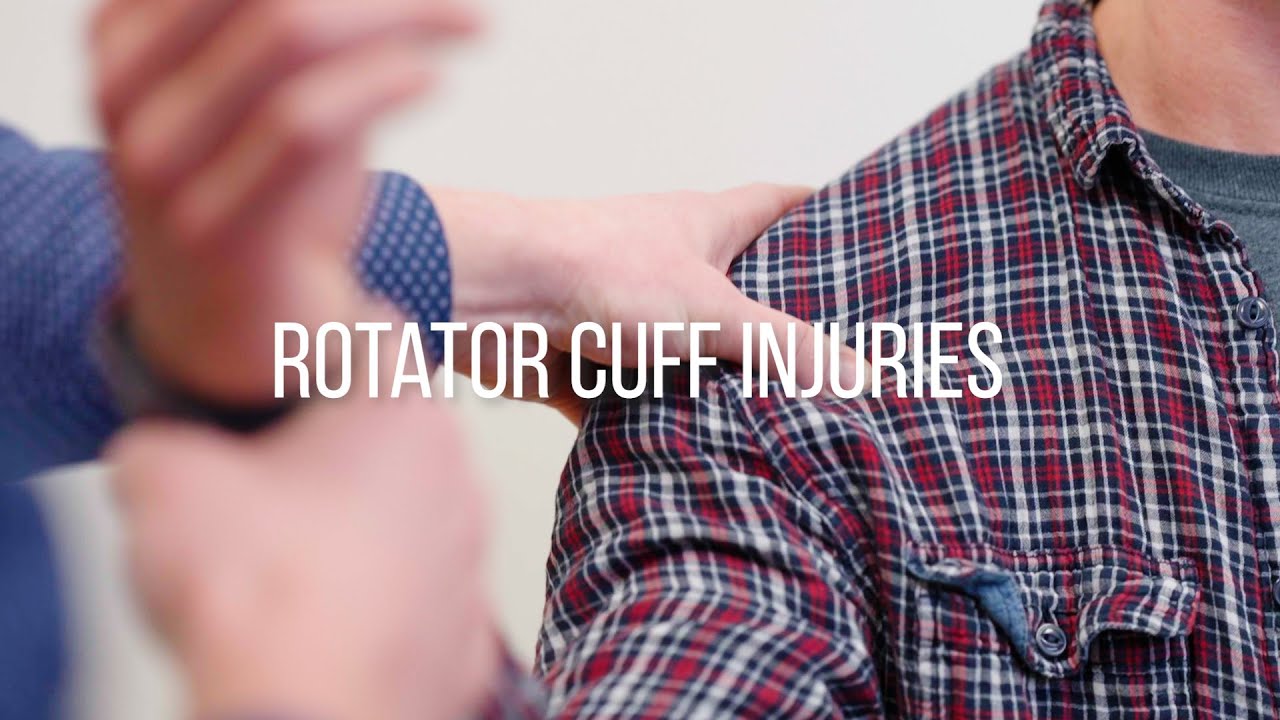
The rotator cuff is a common source of pain or injury in the shoulder. It plays a role in the normal function of the shoulder by contributing to the stability of the joint. It is formed of tendons that attach to the humerus, as well as four major muscles which drape over the shoulder joint.
CAUSES AND RISK FACTORS
- Direct blow, fall, or sports-related injury
- Degenerative conditions, such as arthritis
- Repetitive stress, often from sports such as baseball, tennis, or weightlifting
- Bone spurs
SYMPTOMS
- Shoulder pain can be constant or when you are at rest
- Pain or weakness when lifting or lowering your arm
- Limited range of motion
- Clicking or popping
DIAGNOSIS AND TREATMENT
Non-surgical treatments include anti-inflammatory medications, rest, ice, corticosteroid injections, and/or physical therapy. Surgical repair may be an option, depending on the severity of the injury. Your orthopedic surgeon may recommend surgery to repair a torn rotator cuff if your symptoms don’t go away after conservative treatment, you have a large tear (more than 3cm), or if it was caused by a recent trauma.
CAUSES AND RISK FACTORS
- Direct blow, fall, or sports-related injury
- Degenerative conditions, such as arthritis
- Repetitive stress, often from sports such as baseball, tennis, or weightlifting
- Bone spurs
SYMPTOMS
- Shoulder pain can be constant or when you are at rest
- Pain or weakness when lifting or lowering your arm
- Limited range of motion
- Clicking or popping
DIAGNOSIS AND TREATMENT
Non-surgical treatments include anti-inflammatory medications, rest, ice, corticosteroid injections, and/or physical therapy. Surgical repair may be an option, depending on the severity of the injury. Your orthopedic surgeon may recommend surgery to repair a torn rotator cuff if your symptoms don’t go away after conservative treatment, you have a large tear (more than 3cm), or if it was caused by a recent trauma.
Video Information
Views
142.4K
Likes
322
Duration
1:40
Published
Apr 3, 2023
User Reviews
4.0
(28) Related Trending Topics
LIVE TRENDSRelated trending topics. Click any trend to explore more videos.
No specific trending topics match this video yet.
Explore All Trends