Hypersomnia: Causes, Symptoms, Diagnosis & Treatment 💤
Explore hypersomnia's causes, signs, diagnosis, and treatment options to understand and manage this sleep disorder effectively.
Medical Centric
274.9K views • Jun 10, 2021
About this video
.
Chapters
0:00 Introduction
1:03 Causes of Hypersomnia
1:34 Symptoms of Hypersomnia
1:49 Diagnosis of Hypersomnia
2:59 Treatment of Hypersomnia
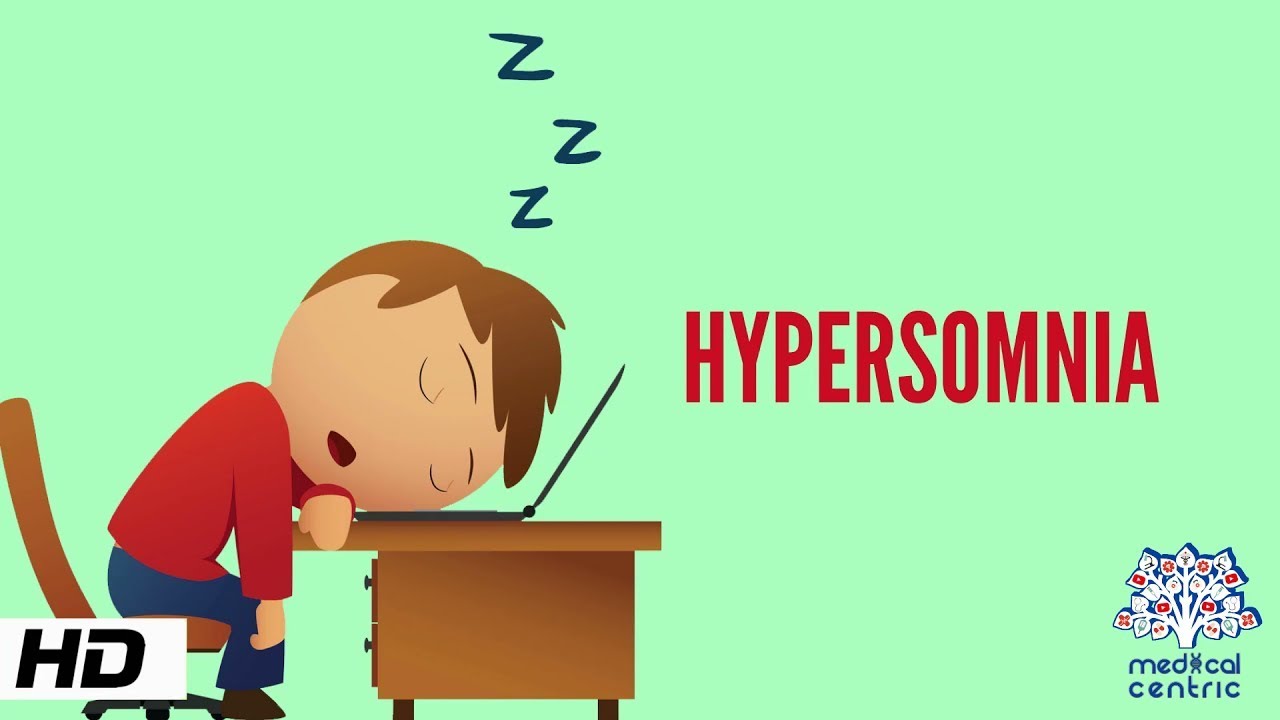
Hypersomnia is a neurological disorder of excessive time spent sleeping or excessive sleepiness. It can have many possible causes such as seasonal affective disorder[1] and can cause distress and problems with functioning.[2] In the fifth edition of the Diagnostic and Statistical Manual of Mental Disorders (DSM-5), hypersomnolence, of which there are several subtypes, appears under sleep-wake disorders.[3]
Hypersomnia is a pathological state characterized by a lack of alertness during the waking episodes of the day.[4] It is not to be confused with fatigue, which is a normal physiological state.[5] Daytime sleepiness appears most commonly during situations where little interaction is needed.[6]
Since the patients’ attention levels are impaired, their quality of life may be impacted as well.[7] This is especially true for people whose jobs request high levels of attention, for example in the healthcare field.[7] Indeed, the lack of attention can cause injuries to self or others, which makes this disorder a real public health issue.[7]
Chapters
0:00 Introduction
1:03 Causes of Hypersomnia
1:34 Symptoms of Hypersomnia
1:49 Diagnosis of Hypersomnia
2:59 Treatment of Hypersomnia
Hypersomnia is a neurological disorder of excessive time spent sleeping or excessive sleepiness. It can have many possible causes such as seasonal affective disorder[1] and can cause distress and problems with functioning.[2] In the fifth edition of the Diagnostic and Statistical Manual of Mental Disorders (DSM-5), hypersomnolence, of which there are several subtypes, appears under sleep-wake disorders.[3]
Hypersomnia is a pathological state characterized by a lack of alertness during the waking episodes of the day.[4] It is not to be confused with fatigue, which is a normal physiological state.[5] Daytime sleepiness appears most commonly during situations where little interaction is needed.[6]
Since the patients’ attention levels are impaired, their quality of life may be impacted as well.[7] This is especially true for people whose jobs request high levels of attention, for example in the healthcare field.[7] Indeed, the lack of attention can cause injuries to self or others, which makes this disorder a real public health issue.[7]
Tags and Topics
Browse our collection to discover more content in these categories.
Video Information
Views
274.9K
Likes
3.6K
Duration
3:52
Published
Jun 10, 2021
User Reviews
4.6
(54) Related Trending Topics
LIVE TRENDSRelated trending topics. Click any trend to explore more videos.
No specific trending topics match this video yet.
Explore All Trends