Gene Transfer Methods: Transformation, Transduction & More | USMLE
Learn key gene transfer techniques like transformation, transduction, conjugation, and lysogenic conversion for USMLE success. 📚

Dr.G Bhanu Prakash Animated Medical Videos
14.3K views • Apr 29, 2024
About this video
📌 𝐅𝐨𝐥𝐥𝐨𝐰 𝐨𝐧 𝐈𝐧𝐬𝐭𝐚𝐠𝐫𝐚𝐦:- https://www.instagram.com/drgbhanuprakash
📌𝗝𝗼𝗶𝗻 𝗢𝘂𝗿 𝗧𝗲𝗹𝗲𝗴𝗿𝗮𝗺 𝗖𝗵𝗮𝗻𝗻𝗲𝗹 𝗛𝗲𝗿𝗲:- https://t.me/bhanuprakashdr
📌𝗦𝘂𝗯𝘀𝗰𝗿𝗶𝗯𝗲 𝗧𝗼 𝗠𝘆 𝗠𝗮𝗶𝗹𝗶𝗻𝗴 𝗟𝗶𝘀𝘁:- https://linktr.ee/DrGBhanuprakash
Gene Transfers: Transformation, Transduction, Conjugation & Lysogenic Conversion 🧬💊 🧬💊 🧬💊
Introduction:
Gene transfer mechanisms play pivotal roles in microbial genetics, facilitating the exchange and acquisition of genetic material among bacteria. Understanding these processes is crucial for comprehending bacterial evolution, antibiotic resistance, and pathogenicity.
Transformation:
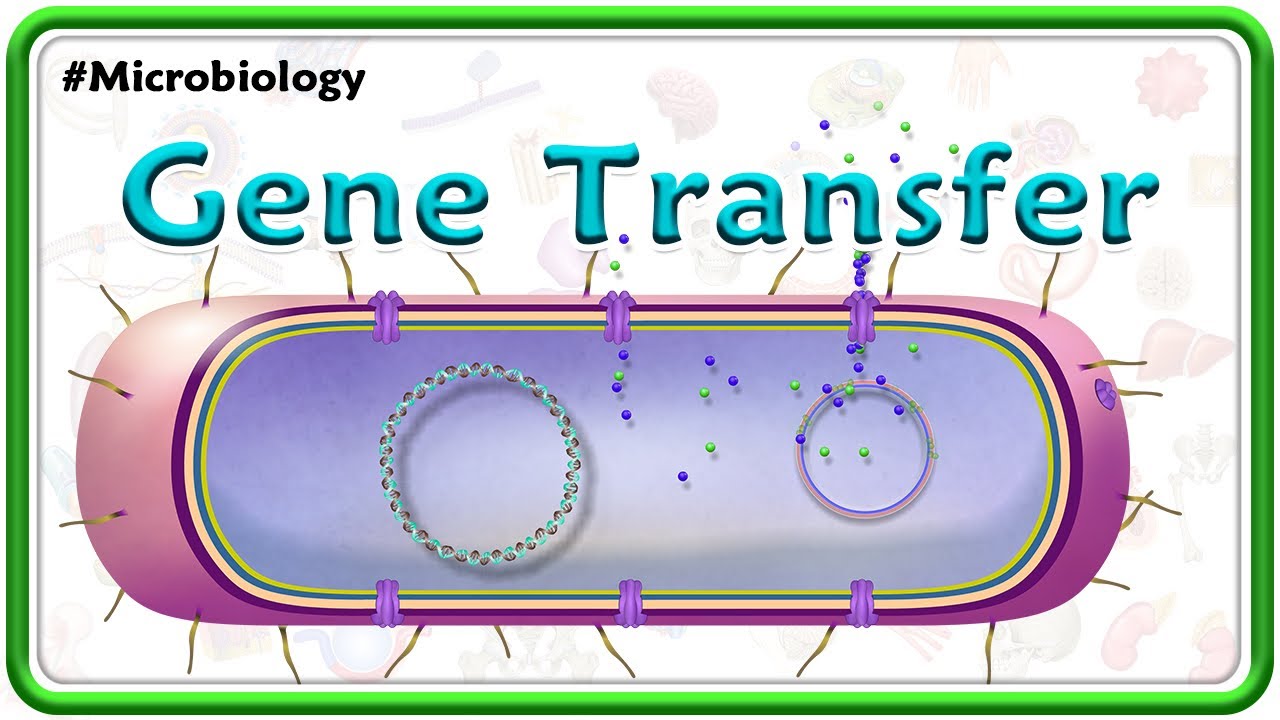
Transformation involves the uptake and incorporation of exogenous DNA by bacteria. During this process, bacteria can assimilate DNA fragments from their surroundings, enabling the acquisition of new genetic traits such as antibiotic resistance or virulence factors. This phenomenon is exploited in molecular biology techniques like bacterial cloning and genetic engineering. Mechanistically, DNA binds to specific receptors on the bacterial cell surface, followed by its internalization and integration into the bacterial genome via recombination processes.
Transduction:
Transduction is a gene transfer mechanism mediated by bacteriophages (viruses that infect bacteria). During the lytic cycle of phage replication, the host bacterial DNA may be mistakenly packaged into viral capsids instead of phage DNA. When these defective phages infect new bacterial hosts, they can transfer the bacterial DNA, including any incorporated foreign genes, leading to genetic recombination. This process can contribute to horizontal gene transfer between bacteria and the dissemination of antibiotic resistance genes.
Conjugation:
Conjugation involves the direct transfer of genetic material from one bacterial cell to another through physical contact. The process requires a specialized conjugative plasmid, known as the F plasmid, which contains genes encoding conjugative pili and other transfer proteins. The donor bacterium containing the F plasmid forms a conjugative bridge with the recipient bacterium, allowing the transfer of DNA. Conjugation is a significant mechanism for spreading antibiotic resistance genes and other beneficial traits among bacterial populations.
Lysogenic Conversion:
Lysogenic conversion refers to the acquisition of new traits by a bacterium through the integration of temperate bacteriophage DNA into its genome during lysogeny. The integrated phage DNA, known as a prophage, may carry genes encoding virulence factors or toxins. When the lysogenic bacterium undergoes induction, triggered by various stressors, the prophage excises from the bacterial genome and enters the lytic cycle, leading to the expression and dissemination of the incorporated genes. Lysogenic conversion is a key mechanism in the evolution of bacterial pathogens and their ability to cause disease.
#GeneTransfers #Transformation #Transduction #Conjugation #LysogenicConversion #MicrobialGenetics #BacterialEvolution #AntibioticResistance #Pathogenicity #MedicalEducation #USMLE #FMGE #NEETPG
#fmge #fmgevideos #rapidrevisionfmge #fmgejan2023 #mbbslectures #nationalexitexam #nationalexittest #neetpg #usmlepreparation #usmlestep1 #fmge #usmle #drgbhanuprakash #medicalstudents #medicalstudent #medicalcollege #neetpg2023 #usmleprep #usmlevideos #usmlestep1videos #medicalstudents #neetpgvideos #genetransfers
📌𝗝𝗼𝗶𝗻 𝗢𝘂𝗿 𝗧𝗲𝗹𝗲𝗴𝗿𝗮𝗺 𝗖𝗵𝗮𝗻𝗻𝗲𝗹 𝗛𝗲𝗿𝗲:- https://t.me/bhanuprakashdr
📌𝗦𝘂𝗯𝘀𝗰𝗿𝗶𝗯𝗲 𝗧𝗼 𝗠𝘆 𝗠𝗮𝗶𝗹𝗶𝗻𝗴 𝗟𝗶𝘀𝘁:- https://linktr.ee/DrGBhanuprakash
Gene Transfers: Transformation, Transduction, Conjugation & Lysogenic Conversion 🧬💊 🧬💊 🧬💊
Introduction:
Gene transfer mechanisms play pivotal roles in microbial genetics, facilitating the exchange and acquisition of genetic material among bacteria. Understanding these processes is crucial for comprehending bacterial evolution, antibiotic resistance, and pathogenicity.
Transformation:
Transformation involves the uptake and incorporation of exogenous DNA by bacteria. During this process, bacteria can assimilate DNA fragments from their surroundings, enabling the acquisition of new genetic traits such as antibiotic resistance or virulence factors. This phenomenon is exploited in molecular biology techniques like bacterial cloning and genetic engineering. Mechanistically, DNA binds to specific receptors on the bacterial cell surface, followed by its internalization and integration into the bacterial genome via recombination processes.
Transduction:
Transduction is a gene transfer mechanism mediated by bacteriophages (viruses that infect bacteria). During the lytic cycle of phage replication, the host bacterial DNA may be mistakenly packaged into viral capsids instead of phage DNA. When these defective phages infect new bacterial hosts, they can transfer the bacterial DNA, including any incorporated foreign genes, leading to genetic recombination. This process can contribute to horizontal gene transfer between bacteria and the dissemination of antibiotic resistance genes.
Conjugation:
Conjugation involves the direct transfer of genetic material from one bacterial cell to another through physical contact. The process requires a specialized conjugative plasmid, known as the F plasmid, which contains genes encoding conjugative pili and other transfer proteins. The donor bacterium containing the F plasmid forms a conjugative bridge with the recipient bacterium, allowing the transfer of DNA. Conjugation is a significant mechanism for spreading antibiotic resistance genes and other beneficial traits among bacterial populations.
Lysogenic Conversion:
Lysogenic conversion refers to the acquisition of new traits by a bacterium through the integration of temperate bacteriophage DNA into its genome during lysogeny. The integrated phage DNA, known as a prophage, may carry genes encoding virulence factors or toxins. When the lysogenic bacterium undergoes induction, triggered by various stressors, the prophage excises from the bacterial genome and enters the lytic cycle, leading to the expression and dissemination of the incorporated genes. Lysogenic conversion is a key mechanism in the evolution of bacterial pathogens and their ability to cause disease.
#GeneTransfers #Transformation #Transduction #Conjugation #LysogenicConversion #MicrobialGenetics #BacterialEvolution #AntibioticResistance #Pathogenicity #MedicalEducation #USMLE #FMGE #NEETPG
#fmge #fmgevideos #rapidrevisionfmge #fmgejan2023 #mbbslectures #nationalexitexam #nationalexittest #neetpg #usmlepreparation #usmlestep1 #fmge #usmle #drgbhanuprakash #medicalstudents #medicalstudent #medicalcollege #neetpg2023 #usmleprep #usmlevideos #usmlestep1videos #medicalstudents #neetpgvideos #genetransfers
Tags and Topics
Browse our collection to discover more content in these categories.
Video Information
Views
14.3K
Likes
218
Duration
9:11
Published
Apr 29, 2024
User Reviews
4.6
(2) Related Trending Topics
LIVE TRENDSRelated trending topics. Click any trend to explore more videos.
Trending Now