Effective Free Recall Techniques for Language Learning
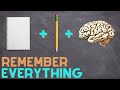
This demonstration explores free recall, also known as active recall, a powerful study method applicable to language learning and various subjects such as anatomy and history.
Benjamin Keep, PhD, JD
341.5K views • Mar 2, 2022

About this video
Free or active recall is one of the simplest and most effective ways of studying. You can use it for language learning, learning anatomy, learning history - anytime you want to remember information in the long-term. But many students are either unaware of free recall or don't know how to do it very well.
In this video, I demonstrate free recall and explain a little bit about why it works.
00:00 Introduction
00:29 A demonstration of free recall.
2:07 Round two.
3:14 Recommended intervals.
4:00 Why does free recall work?
5:33 Troubleshooting the technique.
For more videos on learning, check out my learning community: https://www.benjaminkeep.com/community/
Sign up to my email newsletter, Avoiding Folly, here: https://www.benjaminkeep.com/
References:
On the superiority of free recall to elaboration, see:
Karpicke, J. D., & Blunt, J. R. (2011). Retrieval practice produces more learning than elaborative studying with concept mapping. Science, 331(6018), 772-775. https://mrbartonmaths.com/resourcesnew/8.%20Research/Memory%20and%20Revision/Retrieval%20practice%20more%20effective%20than%20studying.pdf
Karpicke, J. D., & Roediger III, H. L. (2008). The critical importance of retrieval for learning. science, 319(5865), 966-968.
http://psychnet.wustl.edu/memory/wp-content/uploads/2018/04/Karpicke-Roediger-2008_Sci.pdf
Free recall is most effective only when the items have been "cleared" from your short term memory.
Karpicke, J. D., & Roediger III, H. L. (2007). Repeated retrieval during learning is the key to long-term retention. Journal of Memory and Language, 57(2), 151-162.
https://citeseerx.ist.psu.edu/viewdoc/download?doi=10.1.1.558.9401&rep=rep1&type=pdf
On optimal spacing intervals, see:
Carpenter, S. K, Cepeda, N. J., Rohrer, D., Kang, S. H. K., & Pashler, H. (2012). Using spacing to enhance diverse forms of learning: Review of recent research and implications for instruction. Educational Psychology Review, 24, 369-378.
https://files.eric.ed.gov/fulltext/ED536925.pdf
Free recall "enhances organizational processes". In other words, it reduces interferences and helps us to organize what we know.
Zaromb, F. M., & Roediger, H. L. (2010). The testing effect in free recall is associated with enhanced organizational processes. Memory & cognition, 38(8), 995-1008. https://link.springer.com/content/pdf/10.3758/MC.38.8.995
In this video, I demonstrate free recall and explain a little bit about why it works.
00:00 Introduction
00:29 A demonstration of free recall.
2:07 Round two.
3:14 Recommended intervals.
4:00 Why does free recall work?
5:33 Troubleshooting the technique.
For more videos on learning, check out my learning community: https://www.benjaminkeep.com/community/
Sign up to my email newsletter, Avoiding Folly, here: https://www.benjaminkeep.com/
References:
On the superiority of free recall to elaboration, see:
Karpicke, J. D., & Blunt, J. R. (2011). Retrieval practice produces more learning than elaborative studying with concept mapping. Science, 331(6018), 772-775. https://mrbartonmaths.com/resourcesnew/8.%20Research/Memory%20and%20Revision/Retrieval%20practice%20more%20effective%20than%20studying.pdf
Karpicke, J. D., & Roediger III, H. L. (2008). The critical importance of retrieval for learning. science, 319(5865), 966-968.
http://psychnet.wustl.edu/memory/wp-content/uploads/2018/04/Karpicke-Roediger-2008_Sci.pdf
Free recall is most effective only when the items have been "cleared" from your short term memory.
Karpicke, J. D., & Roediger III, H. L. (2007). Repeated retrieval during learning is the key to long-term retention. Journal of Memory and Language, 57(2), 151-162.
https://citeseerx.ist.psu.edu/viewdoc/download?doi=10.1.1.558.9401&rep=rep1&type=pdf
On optimal spacing intervals, see:
Carpenter, S. K, Cepeda, N. J., Rohrer, D., Kang, S. H. K., & Pashler, H. (2012). Using spacing to enhance diverse forms of learning: Review of recent research and implications for instruction. Educational Psychology Review, 24, 369-378.
https://files.eric.ed.gov/fulltext/ED536925.pdf
Free recall "enhances organizational processes". In other words, it reduces interferences and helps us to organize what we know.
Zaromb, F. M., & Roediger, H. L. (2010). The testing effect in free recall is associated with enhanced organizational processes. Memory & cognition, 38(8), 995-1008. https://link.springer.com/content/pdf/10.3758/MC.38.8.995
Tags and Topics
Browse our collection to discover more content in these categories.
Video Information
Views
341.5K
Likes
18.0K
Duration
6:28
Published
Mar 2, 2022
User Reviews
4.8
(68) Related Trending Topics
LIVE TRENDSRelated trending topics. Click any trend to explore more videos.
No specific trending topics match this video yet.
Explore All Trends