Basics on WFM (workforce management)
📞 Workforce Management (WFM) in a Call Center WFM is a set of processes and tools designed to ensure that the right number of agents, with the right skills...
BPO Interview Tutorials
25.7K views • Oct 21, 2023
About this video
📞 Workforce Management (WFM) in a Call Center
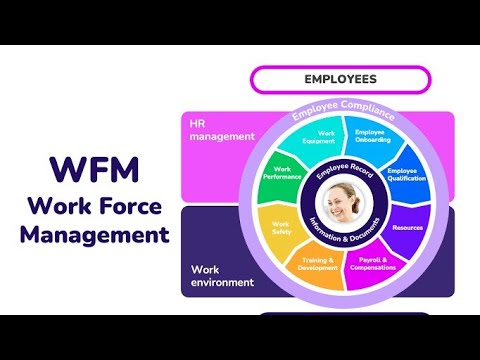
WFM is a set of processes and tools designed to ensure that the right number of agents, with the right skills, are available in the right channel (phone, chat, email, etc.) at the right time to handle customer interactions.
The main goal is to balance the needs of the customer (high service level), the business (operational efficiency/cost), and the employees (better work-life balance and fair scheduling).
Key Components of WFM
Most WFM strategies revolve around these core functions:
Forecasting:
What it is: The process of using historical data (call volumes, handling times, seasonal trends) to predict the future workload and the number of agents needed for specific time intervals (e.g., every 15 or 30 minutes).
Scheduling:
What it is: Taking the forecast and creating optimized schedules to match the required staff to the predicted demand. This involves assigning shifts, breaks, and non-customer-facing time (training, meetings) to individual agents.
Intraday Management (or Real-Time Adherence - RTA):
What it is: Actively monitoring the contact center operations in real-time to ensure agents are following their schedules (adherence) and to make necessary adjustments when unexpected events occur (e.g., a sudden spike in call volume or a system outage).
Reporting:
What it is: Analyzing past performance data and key metrics (like Service Level, Occupancy, Utilization, and AHT - Average Handle Time) to understand where the WFM process was successful and where improvements are needed for future planning.
🎯 Benefits of Effective WFM
Improved Customer Experience (CX): Ensures faster response times, fewer abandoned calls, and consistent service levels.
Operational Efficiency: Optimizes staffing to avoid both overstaffing (which increases labor costs) and understaffing (which hurts service).
Better Agent Experience (EX): Helps reduce agent burnout through fair and consistent scheduling, and some modern systems allow for more flexible scheduling options.
Data-Driven Decisions: Provides management with the necessary metrics to understand contact center performance and resource allocation.
Must Watch some MS Excel videos:
How to calculate count if in excel: https://youtu.be/ve1KM2wzfTQ
How to do VlookUP in Excel : https://youtu.be/Q56qSdRktR4q
How to upload document & pdf in Excel Sheet:
https://youtu.be/j08ACMPViMs
How to add calculate field in Excel
https://youtu.be/tDOlXyA1lrM
#bpointerviewtutorial @WFM #callcenter
WFM is a set of processes and tools designed to ensure that the right number of agents, with the right skills, are available in the right channel (phone, chat, email, etc.) at the right time to handle customer interactions.
The main goal is to balance the needs of the customer (high service level), the business (operational efficiency/cost), and the employees (better work-life balance and fair scheduling).
Key Components of WFM
Most WFM strategies revolve around these core functions:
Forecasting:
What it is: The process of using historical data (call volumes, handling times, seasonal trends) to predict the future workload and the number of agents needed for specific time intervals (e.g., every 15 or 30 minutes).
Scheduling:
What it is: Taking the forecast and creating optimized schedules to match the required staff to the predicted demand. This involves assigning shifts, breaks, and non-customer-facing time (training, meetings) to individual agents.
Intraday Management (or Real-Time Adherence - RTA):
What it is: Actively monitoring the contact center operations in real-time to ensure agents are following their schedules (adherence) and to make necessary adjustments when unexpected events occur (e.g., a sudden spike in call volume or a system outage).
Reporting:
What it is: Analyzing past performance data and key metrics (like Service Level, Occupancy, Utilization, and AHT - Average Handle Time) to understand where the WFM process was successful and where improvements are needed for future planning.
🎯 Benefits of Effective WFM
Improved Customer Experience (CX): Ensures faster response times, fewer abandoned calls, and consistent service levels.
Operational Efficiency: Optimizes staffing to avoid both overstaffing (which increases labor costs) and understaffing (which hurts service).
Better Agent Experience (EX): Helps reduce agent burnout through fair and consistent scheduling, and some modern systems allow for more flexible scheduling options.
Data-Driven Decisions: Provides management with the necessary metrics to understand contact center performance and resource allocation.
Must Watch some MS Excel videos:
How to calculate count if in excel: https://youtu.be/ve1KM2wzfTQ
How to do VlookUP in Excel : https://youtu.be/Q56qSdRktR4q
How to upload document & pdf in Excel Sheet:
https://youtu.be/j08ACMPViMs
How to add calculate field in Excel
https://youtu.be/tDOlXyA1lrM
#bpointerviewtutorial @WFM #callcenter
Tags and Topics
Browse our collection to discover more content in these categories.
Video Information
Views
25.7K
Likes
702
Duration
23:38
Published
Oct 21, 2023
User Reviews
4.6
(5) Related Trending Topics
LIVE TRENDSRelated trending topics. Click any trend to explore more videos.
No specific trending topics match this video yet.
Explore All Trends