Uncovering the Bias: Why the Olympics Aren't Truly Fair 🌍
Explore how the International Olympic Committee's Western Europe-centric approach impacts sport selection and fairness in the Games. Discover the underlying issues behind the controversy.

magnify
17.5M views • Aug 18, 2024
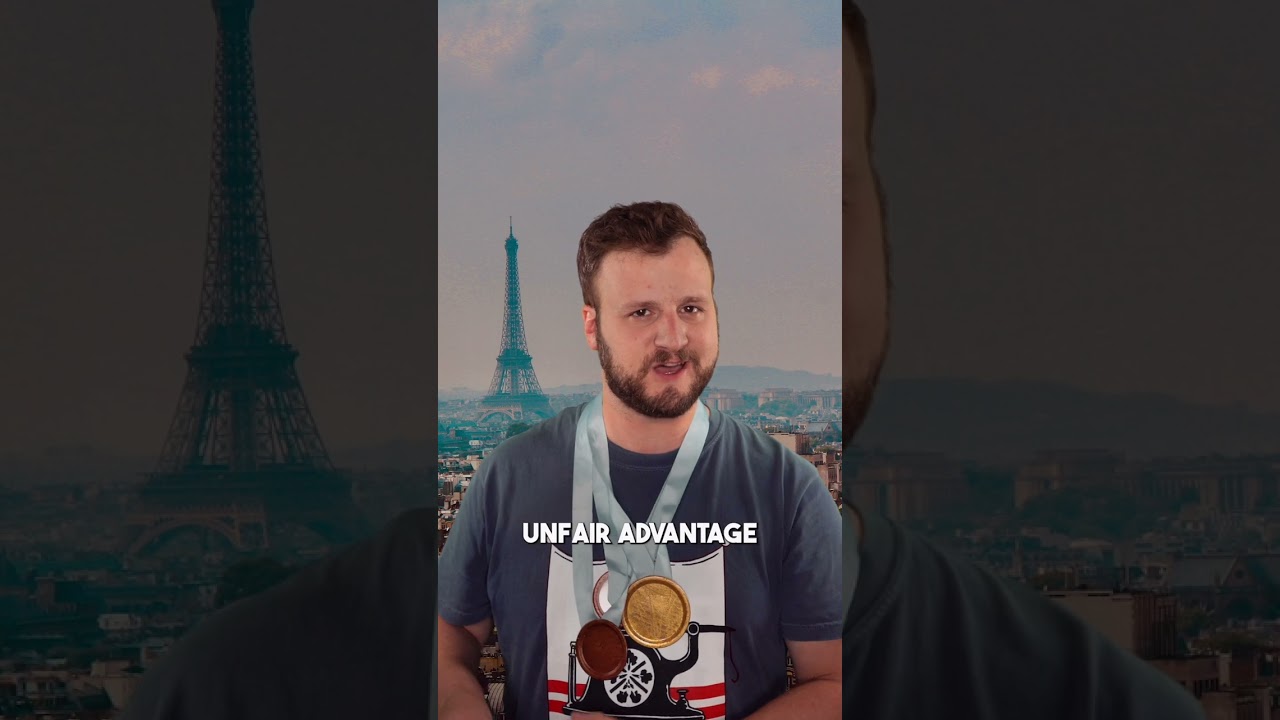
About this video
The International Olympic Committee (IOC) has long been criticized for its Western Europe-centric orientation, a bias that influences the selection of sports offered in the Olympics. Since its inception, the IOC has primarily been led by presidents from Western Europe or the United States, which has contributed to a cultural skew in the sports recognized and promoted by the Olympic Games.
This bias is evident in the inclusion and exclusion of certain sports. For example, ice hockey, a sport with strong ties to North America and Western Europe, has been a staple in the Winter Olympics, while bandy, a sport similar to ice hockey and widely regarded as Russia's national winter sport, remains marginalized. Bandy's absence from the Olympics highlights the IOC's preference for sports rooted in Western culture, despite bandy’s significant following in Russia and Scandinavia.
Similarly, in the Summer Olympics, sports like Kabaddi, which boasts immense popularity in the Indian subcontinent, have struggled to gain recognition. Kabaddi is deeply embedded in the cultural fabric of countries like India, Pakistan, and Bangladesh, yet it is overlooked in favor of sports with stronger Western European or American roots.
This imbalance suggests that the IOC's sport selection process is heavily influenced by the cultural preferences of its leadership, leading to an Olympic program that does not fully reflect the diverse athletic traditions of the world. As a result, the global representation in the Olympics remains incomplete, leaving many culturally significant sports on the sidelines.
This bias is evident in the inclusion and exclusion of certain sports. For example, ice hockey, a sport with strong ties to North America and Western Europe, has been a staple in the Winter Olympics, while bandy, a sport similar to ice hockey and widely regarded as Russia's national winter sport, remains marginalized. Bandy's absence from the Olympics highlights the IOC's preference for sports rooted in Western culture, despite bandy’s significant following in Russia and Scandinavia.
Similarly, in the Summer Olympics, sports like Kabaddi, which boasts immense popularity in the Indian subcontinent, have struggled to gain recognition. Kabaddi is deeply embedded in the cultural fabric of countries like India, Pakistan, and Bangladesh, yet it is overlooked in favor of sports with stronger Western European or American roots.
This imbalance suggests that the IOC's sport selection process is heavily influenced by the cultural preferences of its leadership, leading to an Olympic program that does not fully reflect the diverse athletic traditions of the world. As a result, the global representation in the Olympics remains incomplete, leaving many culturally significant sports on the sidelines.
Tags and Topics
Browse our collection to discover more content in these categories.
Video Information
Views
17.5M
Likes
855.6K
Duration
1:00
Published
Aug 18, 2024
User Reviews
4.9
(3495) Related Trending Topics
LIVE TRENDSRelated trending topics. Click any trend to explore more videos.
No specific trending topics match this video yet.
Explore All Trends