High Demand for Control Systems Engineers 🚀
Discover why control systems engineers are highly sought after and how you can start a career in this booming field.

Vlad Romanov
583 views • Aug 11, 2025
About this video
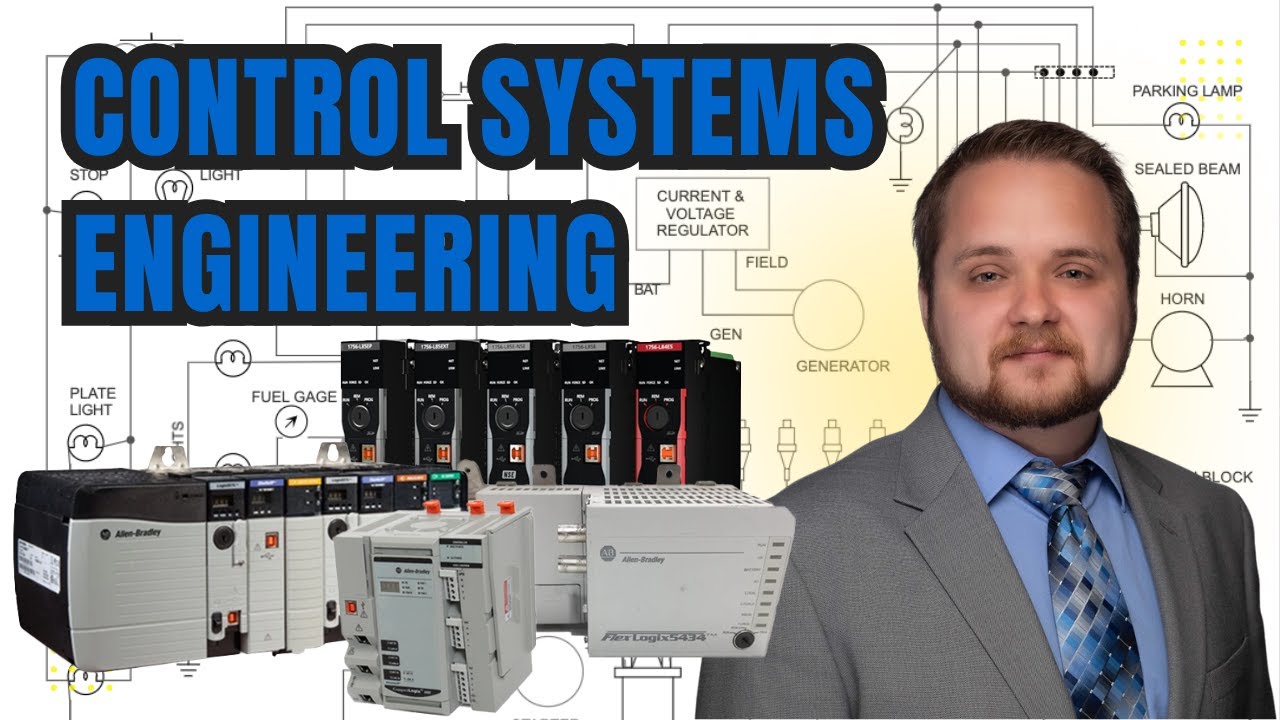
Control systems engineering is one of the most in-demand careers in manufacturing and industrial automation today. In this video, we explore exactly what it takes to become a control systems engineer, the skills you need to succeed, and how you can start building your career in this exciting field. Whether you are a technician looking to move into engineering, a software engineer considering a switch to industrial automation, or an executive trying to understand what to look for when hiring, this guide will give you a complete overview of the role.
We begin by defining what a control system is, using simple examples to illustrate concepts like closed-loop control, PLCs, HMIs, sensors, actuators, and networks. You will learn how these systems are used in real manufacturing environments to maintain process conditions and improve efficiency. From there, we discuss the engineering mindset and how it differs from technician or operator roles. We highlight how engineers work on long-term projects, manage obsolescence, design new systems, and collaborate with vendors and integrators to deliver results.
The video also covers the core knowledge areas for control systems engineers, including electrical fundamentals, safety considerations, and component-level understanding of motors, valves, pumps, and instrumentation. We explain how networking, SCADA systems, and MES platforms integrate with control systems and why familiarity with specific vendor ecosystems like Siemens, Rockwell Automation, and others can make you a stronger candidate.
We explore the different work environments available to control systems engineers, such as working for a systems integrator, an OEM, a manufacturer (end user), or a distributor. You will learn the pros and cons of each, including travel expectations, project diversity, and career growth opportunities. For those considering the lifestyle aspect, we discuss work-life balance in 24/7 manufacturing settings and how travel requirements vary by employer type.
Finally, we address education and upskilling. We share the benefits of an accredited engineering degree, hands-on training in mechatronics and robotics, and the value of building personal projects to stand out in interviews. We also touch on certifications, online learning resources, and how platforms like Udemy, YouTube, and OEM training centers can help you gain practical skills. If you are hiring or building a team of control systems engineers, this video will also provide insight into what skills to look for and how to evaluate potential candidates.
For more resources on manufacturing automation and control systems, visit https://www.joltek.com
Timestamps
00:00 Introduction to Control Systems Engineering and Why It Matters
01:00 Why Control Systems Engineers Are in High Demand in Manufacturing
02:10 Understanding What a Control System Is with Real-World Examples
04:50 The Engineering Mindset Versus Technician and Operator Roles
07:00 Core Electrical and Safety Knowledge for Control Systems Engineers
10:00 Key Components: PLCs, HMIs, Sensors, Motors, and Networking
12:00 Vendor Ecosystems and Why Siemens and Rockwell Skills Matter
13:50 SCADA and MES Systems for Control Systems Engineers
15:30 Career Paths: Integrator, OEM, End User, and Distributor Roles
17:50 Work-Life Balance and Travel Expectations in Control Engineering
19:30 Education, Degrees, and Hands-On Training Opportunities
21:00 Certifications, Online Learning, and Building Personal Projects
23:10 Final Advice for Aspiring and Hiring Control Systems Engineers
We begin by defining what a control system is, using simple examples to illustrate concepts like closed-loop control, PLCs, HMIs, sensors, actuators, and networks. You will learn how these systems are used in real manufacturing environments to maintain process conditions and improve efficiency. From there, we discuss the engineering mindset and how it differs from technician or operator roles. We highlight how engineers work on long-term projects, manage obsolescence, design new systems, and collaborate with vendors and integrators to deliver results.
The video also covers the core knowledge areas for control systems engineers, including electrical fundamentals, safety considerations, and component-level understanding of motors, valves, pumps, and instrumentation. We explain how networking, SCADA systems, and MES platforms integrate with control systems and why familiarity with specific vendor ecosystems like Siemens, Rockwell Automation, and others can make you a stronger candidate.
We explore the different work environments available to control systems engineers, such as working for a systems integrator, an OEM, a manufacturer (end user), or a distributor. You will learn the pros and cons of each, including travel expectations, project diversity, and career growth opportunities. For those considering the lifestyle aspect, we discuss work-life balance in 24/7 manufacturing settings and how travel requirements vary by employer type.
Finally, we address education and upskilling. We share the benefits of an accredited engineering degree, hands-on training in mechatronics and robotics, and the value of building personal projects to stand out in interviews. We also touch on certifications, online learning resources, and how platforms like Udemy, YouTube, and OEM training centers can help you gain practical skills. If you are hiring or building a team of control systems engineers, this video will also provide insight into what skills to look for and how to evaluate potential candidates.
For more resources on manufacturing automation and control systems, visit https://www.joltek.com
Timestamps
00:00 Introduction to Control Systems Engineering and Why It Matters
01:00 Why Control Systems Engineers Are in High Demand in Manufacturing
02:10 Understanding What a Control System Is with Real-World Examples
04:50 The Engineering Mindset Versus Technician and Operator Roles
07:00 Core Electrical and Safety Knowledge for Control Systems Engineers
10:00 Key Components: PLCs, HMIs, Sensors, Motors, and Networking
12:00 Vendor Ecosystems and Why Siemens and Rockwell Skills Matter
13:50 SCADA and MES Systems for Control Systems Engineers
15:30 Career Paths: Integrator, OEM, End User, and Distributor Roles
17:50 Work-Life Balance and Travel Expectations in Control Engineering
19:30 Education, Degrees, and Hands-On Training Opportunities
21:00 Certifications, Online Learning, and Building Personal Projects
23:10 Final Advice for Aspiring and Hiring Control Systems Engineers
Tags and Topics
Browse our collection to discover more content in these categories.
Video Information
Views
583
Likes
23
Duration
24:50
Published
Aug 11, 2025
Related Trending Topics
LIVE TRENDSRelated trending topics. Click any trend to explore more videos.
No specific trending topics match this video yet.
Explore All Trends