Unlocking the Hidden Strengths of Modern Cryptography 🔐
Discover how cutting-edge cryptographic techniques enable secure multi-party computations, encrypted data processing, and secret protection—revolutionizing digital security.

UW Video
896 views • Mar 5, 2015
About this video
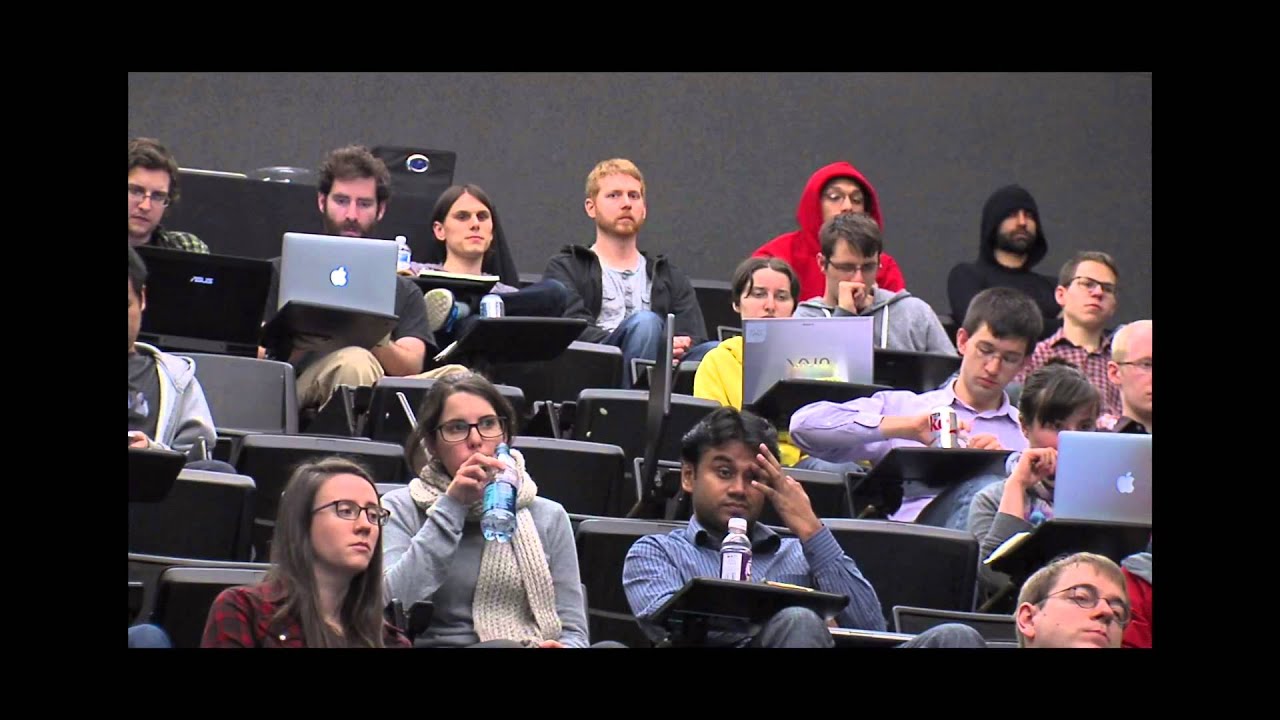
Modern cryptography is surprisingly powerful, yielding capabilities such as secure multi-party computation, computing on encrypted data and hiding secrets in code. Currently, however, some of these advanced abilities are still too inefficient for practical use. This research aims to continue expanding the capabilities of cryptography and its applications and bringing these advanced capabilities closer to practice.
In this talk, Stanford PhD. candidate, Mark Zhandry focuses on a particular contribution that addresses both of these objectives: establishing a shared secret key among a group of participants with only a single round of interaction. The first such protocols requires a setup phase, where a central authority determines the parameters for the scheme; unfortunately, this authority can learn the shared group key and must therefore be trusted. He discusses how to remove this setup phase using program obfuscation, though the scheme is very impractical due to the inefficiencies of current obfuscators. He then describes a new technical tool called witness pseudorandom functions and shows how to use this tool in place of obfuscation, resulting in a significantly more efficient protocol.
Mark Zhandry is a Ph.D. candidate at Stanford University
02/19/2015
https://www.cs.washington.edu/htbin-post/mvis/mvis?ID=2693
http://uwtv.org
In this talk, Stanford PhD. candidate, Mark Zhandry focuses on a particular contribution that addresses both of these objectives: establishing a shared secret key among a group of participants with only a single round of interaction. The first such protocols requires a setup phase, where a central authority determines the parameters for the scheme; unfortunately, this authority can learn the shared group key and must therefore be trusted. He discusses how to remove this setup phase using program obfuscation, though the scheme is very impractical due to the inefficiencies of current obfuscators. He then describes a new technical tool called witness pseudorandom functions and shows how to use this tool in place of obfuscation, resulting in a significantly more efficient protocol.
Mark Zhandry is a Ph.D. candidate at Stanford University
02/19/2015
https://www.cs.washington.edu/htbin-post/mvis/mvis?ID=2693
http://uwtv.org
Tags and Topics
Browse our collection to discover more content in these categories.
Video Information
Views
896
Likes
9
Duration
54:56
Published
Mar 5, 2015
Related Trending Topics
LIVE TRENDSRelated trending topics. Click any trend to explore more videos.
No specific trending topics match this video yet.
Explore All Trends