Unlock the Power of Artificial Intelligence: Machine Learning & Natural Language Processing Explained 🤖
Discover the fundamentals of Artificial Intelligence, Machine Learning, and Natural Language Processing in this comprehensive course. Learn how these technologies are shaping the future and how to leverage them today!
Muhammad Ismail
28 views • Jul 27, 2024
About this video
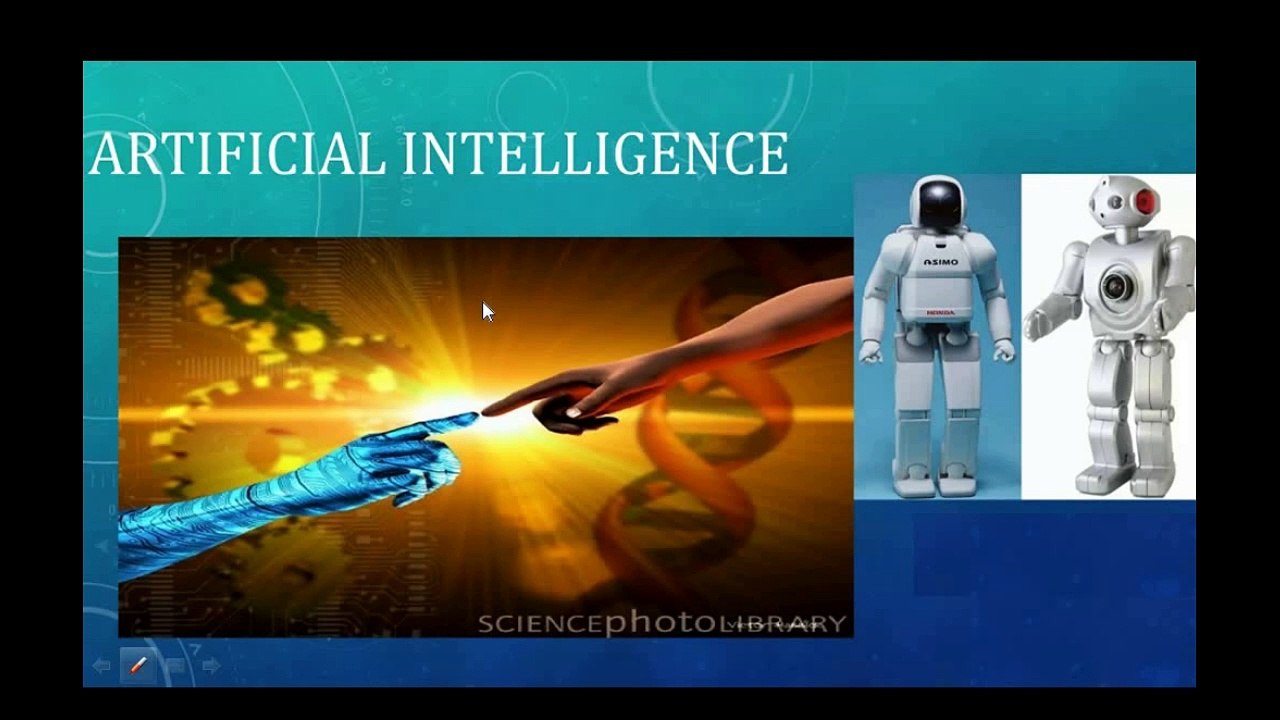
What is Artificial Intelligence | Machine Learning Natural Language Processing <br />https://www.udemy.com/course/chatgpt-artificial-intelligence-tutorial-how-use-chatgpt/?referralCode=4A3AE0E1C60D889881D4<br /><br />Artificial Intelligence (AI) is a broad and dynamic field of computer science dedicated to creating systems capable of performing tasks that typically require human intelligence. These tasks include learning from experience, understanding natural language, recognizing patterns, solving problems, and making decisions. AI has evolved significantly since its inception, leading to a wide range of applications that impact various aspects of daily life and numerous industries.<br /><br />Historical Context and Evolution<br /><br />The concept of artificial intelligence has been around for centuries, with early ideas appearing in myths and fiction. However, AI as a formal field of study began in the mid-20th century. The term "artificial intelligence" was coined in 1956 during the Dartmouth Conference, a seminal event that marked the birth of AI as a distinct discipline. Early AI research focused on symbolic AI, where machines were programmed with explicit rules and knowledge representations to mimic human reasoning.<br /><br />As computing power increased and new algorithms were developed, AI research expanded into various subfields, including machine learning, natural language processing, computer vision, and robotics. Each of these subfields contributes to the broader goal of creating intelligent systems.<br /><br />Key Concepts in AI<br /><br />Machine Learning (ML): A subset of AI, machine learning involves training algorithms to learn patterns from data and make predictions or decisions based on that data. ML models can improve their performance over time without being explicitly programmed. There are several types of machine learning, including supervised learning, unsupervised learning, and reinforcement learning.<br /><br />Natural Language Processing (NLP): NLP enables machines to understand, interpret, and generate human language. It encompasses tasks such as speech recognition, language translation, sentiment analysis, and chatbot interactions. NLP has become increasingly sophisticated, allowing for more natural and human-like interactions between machines and people.<br /><br />Computer Vision: This field focuses on enabling machines to interpret and understand visual information from the world. Computer vision applications include image and video recognition, object detection, facial recognition, and autonomous vehicles. Advances in deep learning have significantly improved the accuracy and capabilities of computer vision systems.<br /><br /> These tasks can range from industrial automation and medical surgery to household chores and exploration of hazardous environments.<br /><br />Applications of AI<br /><br />AI has permeated numerous sectors, transforming how businesses operate and how individuals interact with technology. Some notable applications include:<br /><br />Healthcare: AI is used for medical image analysis, drug discover
Video Information
Views
28
Duration
10:43
Published
Jul 27, 2024
Related Trending Topics
LIVE TRENDSRelated trending topics. Click any trend to explore more videos.
No specific trending topics match this video yet.
Explore All Trends