Understanding Symmetric Key Cryptography 🔐: A Beginner's Guide
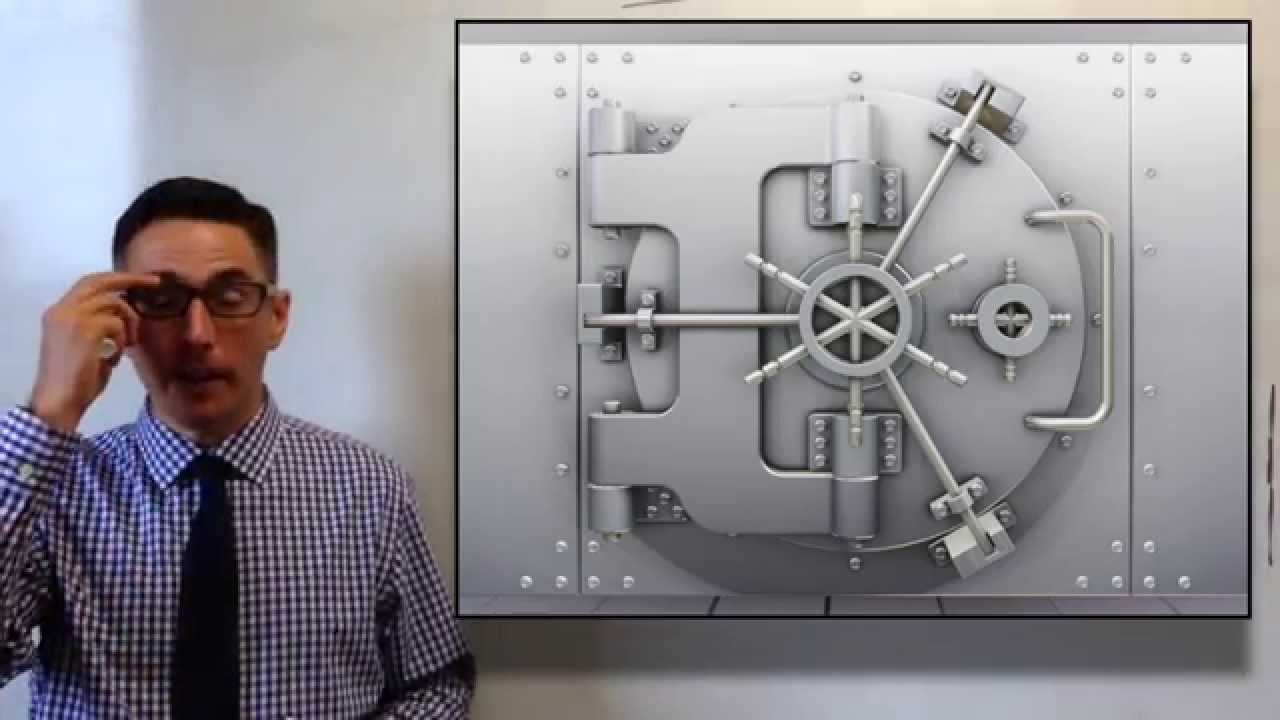
Discover the fundamentals of symmetric key cryptography in this introductory video, part of the 'From Barter to Bitcoin' course by Prof. Maurer and Prof. Donald. Perfect for beginners interested in the future of digital security and money.

djp3
4.3K views • Jun 27, 2014
About this video
This video is part of a larger online course, "From Barter to Bitcoin: Society, Technology and the Future of Money" run by Prof. Bill Maurer and Prof. Donald J. Patterson In addition to the video on YouTube there is a variety of other content available to students enrolled in the class.
photocredits from the video:
https://d3tixod1wp885b.cloudfront.net/7c/b7807f6583218dcfaccf5f5f3f9284/book-safe.jpg
http://thefrencheye.blogspot.com/2011/01/bank-vault-doors.html
http://www.informationsecuritybuzz.com/securitybuzz/wp-content/uploads/google-Bot.jpg
"In 2008, a person calling himself or herself or themselves Satoshi Nakamoto released a paper suggesting a system for an anonymous, peer-to-peer alternative money. Bitcoin was born. Although not the first digital currency ever proposed, nor the first challenger to fiat money, bitcoin is the first to have captured the broad imagination of speculators, coders, regulators, criminals and the mass media. This course puts Bitcoin in context: how do we understand money as a social, political and technological phenomenon? From discussions of ancient transactions to the rise of state-issued currencies, we will explore the social and technical aspects of bitcoin, its predecessors and potential successors, and how its features echo aspects of many different historical transaction systems. No prior knowledge of economics or computing is required.
There is little academic writing on bitcoin. And this may be the first truly academic class on the topic. We want to put bitcoin in a wider perspective, to reflect on what it means for society, politics and economics, as well as how it helps us think about money both a social and a technical phenomenon. This class is not an advanced seminar on bitcoin--we will not be delving deeply into the inner workings of the system, but instead providing a bird's-eye overview with enough technical detail for you to be able to put media stories, hype and hope around bitcoin in perspective. Similarly, this is not a class in monetary economics--we won't go too deeply into monetary theory or policy, the money supply, or inflation. Instead the class invites you to think more deeply about one of the oldest systems of technology on the planet, and most ubiquitous: money, whether coin, cash, credit card or cryptocurrency, we humans have been making money for most of the past 10,000 years. How we do so in the future is a question bitcoin just maybe helps us answer."
photocredits from the video
https://d3tixod1wp885b.cloudfront.net/7c/b7807f6583218dcfaccf5f5f3f9284/book-safe.jpg
http://thefrencheye.blogspot.com/2011/01/bank-vault-doors.html
http://www.informationsecuritybuzz.com/securitybuzz/wp-content/uploads/google-Bot.jpg
photocredits from the video:
https://d3tixod1wp885b.cloudfront.net/7c/b7807f6583218dcfaccf5f5f3f9284/book-safe.jpg
http://thefrencheye.blogspot.com/2011/01/bank-vault-doors.html
http://www.informationsecuritybuzz.com/securitybuzz/wp-content/uploads/google-Bot.jpg
"In 2008, a person calling himself or herself or themselves Satoshi Nakamoto released a paper suggesting a system for an anonymous, peer-to-peer alternative money. Bitcoin was born. Although not the first digital currency ever proposed, nor the first challenger to fiat money, bitcoin is the first to have captured the broad imagination of speculators, coders, regulators, criminals and the mass media. This course puts Bitcoin in context: how do we understand money as a social, political and technological phenomenon? From discussions of ancient transactions to the rise of state-issued currencies, we will explore the social and technical aspects of bitcoin, its predecessors and potential successors, and how its features echo aspects of many different historical transaction systems. No prior knowledge of economics or computing is required.
There is little academic writing on bitcoin. And this may be the first truly academic class on the topic. We want to put bitcoin in a wider perspective, to reflect on what it means for society, politics and economics, as well as how it helps us think about money both a social and a technical phenomenon. This class is not an advanced seminar on bitcoin--we will not be delving deeply into the inner workings of the system, but instead providing a bird's-eye overview with enough technical detail for you to be able to put media stories, hype and hope around bitcoin in perspective. Similarly, this is not a class in monetary economics--we won't go too deeply into monetary theory or policy, the money supply, or inflation. Instead the class invites you to think more deeply about one of the oldest systems of technology on the planet, and most ubiquitous: money, whether coin, cash, credit card or cryptocurrency, we humans have been making money for most of the past 10,000 years. How we do so in the future is a question bitcoin just maybe helps us answer."
photocredits from the video
https://d3tixod1wp885b.cloudfront.net/7c/b7807f6583218dcfaccf5f5f3f9284/book-safe.jpg
http://thefrencheye.blogspot.com/2011/01/bank-vault-doors.html
http://www.informationsecuritybuzz.com/securitybuzz/wp-content/uploads/google-Bot.jpg
Tags and Topics
Browse our collection to discover more content in these categories.
Video Information
Views
4.3K
Likes
46
Duration
16:31
Published
Jun 27, 2014
User Reviews
4.3
(4) Related Trending Topics
LIVE TRENDSRelated trending topics. Click any trend to explore more videos.
No specific trending topics match this video yet.
Explore All Trends