Understanding Asymmetric Cryptography: How It Protects Your Data 🔐
Learn what asymmetric cryptography is and why it's essential for securing sensitive information with dual-key encryption methods.

Eye on Tech
36.3K views • Dec 20, 2019
About this video
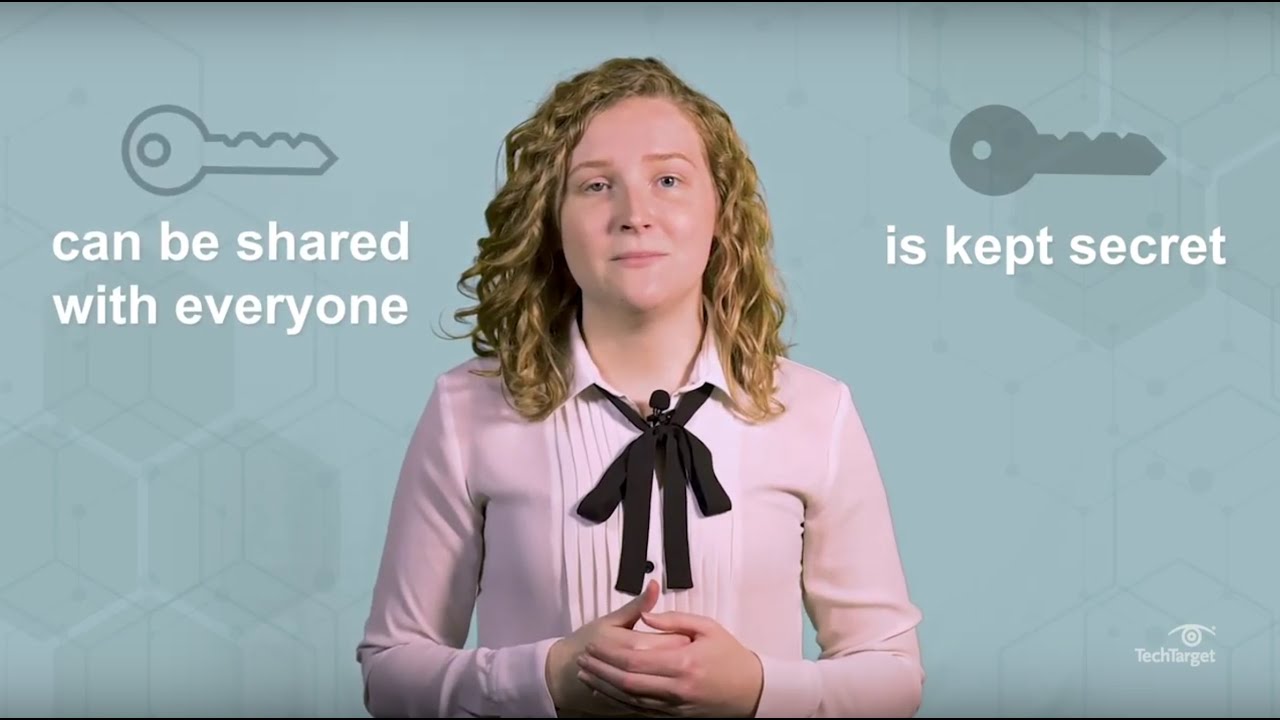
Asymmetric cryptography keeps your classified documents on lockdown. Using two different -- and long -- keys, sensitive data is highly protected with asymmetric cryptography. Watch to learn more about asymmetric cryptography and its pros and cons.
Asymmetric cryptography keys are thousands of bits long -- and encrypting data requires two of them. The idea behind asymmetric cryptography, sometimes called public key cryptography, is that the longer the keys are, the harder it is for a hacker to crack the mathematical pairing algorithm and gain access to the sensitive data. And, as its name suggests, the keys aren’t identical -- only one is public, and one is private.
Asymmetric cryptography is one way to ensure confidentiality -- but it’s not always the best way. Symmetric cryptography uses shorter keys and a faster encryption and decryption with the same -- or even higher -- level of security.
What do you think? Do you use asymmetric cryptography or symmetric? Let us know in the comments below, and remember to like this video.
Read more about asymmetric cryptography: https://searchsecurity.techtarget.com/definition/asymmetric-cryptography/?utm_source=youtube&utm_medium=description&utm_campaign=Tw5q-SN9ZM8&offer=video-Tw5q-SN9ZM8
Subscribe to Eye on Tech for more videos covering the latest in business technology, including security, networking, AI, DevOps, enterprise strategy, storage, devices and more:
https://www.youtube.com/EyeOnTech
Stay up to date on the latest security news: https://searchsecurity.techtarget.com/
Follow us on Twitter: https://twitter.com/SearchSecurity
Like us on Facebook: https://www.facebook.com/SearchSecurity.com/
#AsymmetricCryptography #DataEncryption #EyeOnTech
Asymmetric cryptography keys are thousands of bits long -- and encrypting data requires two of them. The idea behind asymmetric cryptography, sometimes called public key cryptography, is that the longer the keys are, the harder it is for a hacker to crack the mathematical pairing algorithm and gain access to the sensitive data. And, as its name suggests, the keys aren’t identical -- only one is public, and one is private.
Asymmetric cryptography is one way to ensure confidentiality -- but it’s not always the best way. Symmetric cryptography uses shorter keys and a faster encryption and decryption with the same -- or even higher -- level of security.
What do you think? Do you use asymmetric cryptography or symmetric? Let us know in the comments below, and remember to like this video.
Read more about asymmetric cryptography: https://searchsecurity.techtarget.com/definition/asymmetric-cryptography/?utm_source=youtube&utm_medium=description&utm_campaign=Tw5q-SN9ZM8&offer=video-Tw5q-SN9ZM8
Subscribe to Eye on Tech for more videos covering the latest in business technology, including security, networking, AI, DevOps, enterprise strategy, storage, devices and more:
https://www.youtube.com/EyeOnTech
Stay up to date on the latest security news: https://searchsecurity.techtarget.com/
Follow us on Twitter: https://twitter.com/SearchSecurity
Like us on Facebook: https://www.facebook.com/SearchSecurity.com/
#AsymmetricCryptography #DataEncryption #EyeOnTech
Tags and Topics
Browse our collection to discover more content in these categories.
Video Information
Views
36.3K
Likes
105
Duration
1:58
Published
Dec 20, 2019
User Reviews
4.0
(7) Related Trending Topics
LIVE TRENDSRelated trending topics. Click any trend to explore more videos.