Top 5 Proven Tips for Effective Weight Loss 🏃♀️
Discover the top 5 expert-backed tips to boost your weight loss journey. Learn how physical activity and exercise can help you achieve your goals faster and healthier!
Huzaifa Akhter
3 views • Jul 26, 2020
About this video
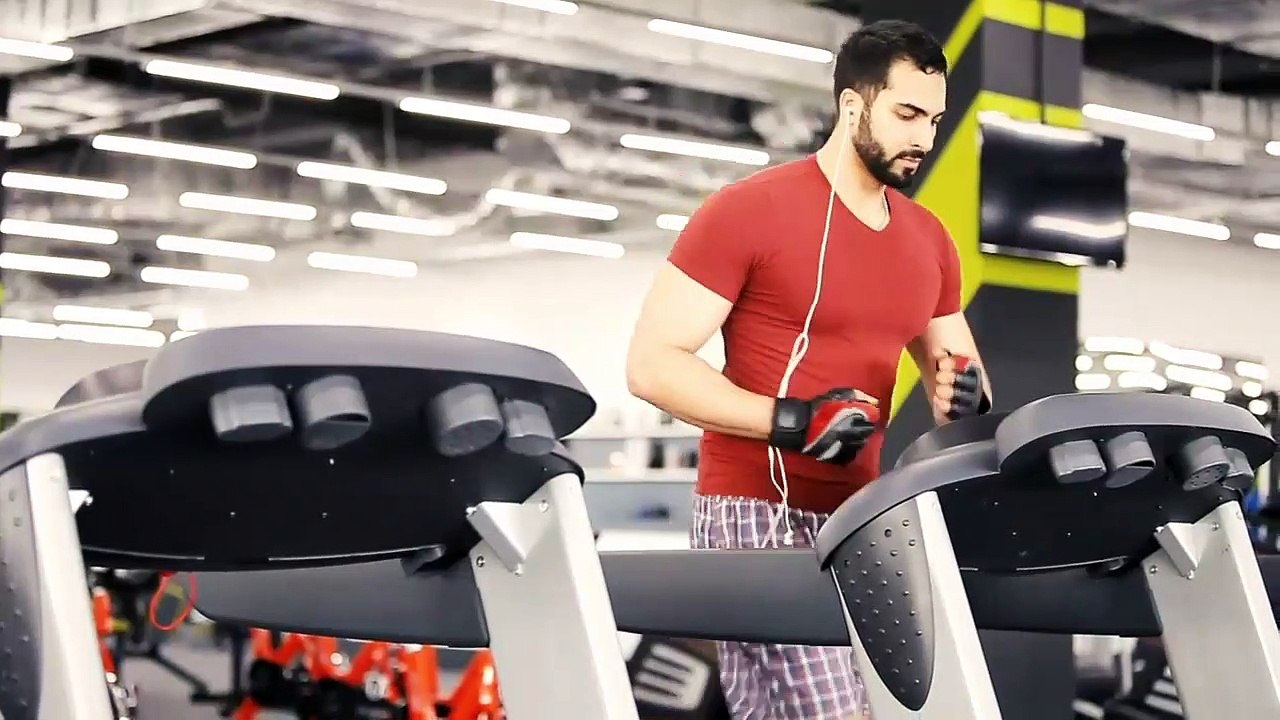
Top 5 Tips For Weight Loss. Animation description: In this animation, we discuss the concept of physical activity and exercise as they relate to obesity. <br />In humans there is a fine balance between energy intake and energy expenditure. <br />Energy intake is in the form of food, and energy expenditure is in the form of the basal metabolic rate and physical activity. <br />The difference between energy intake and energy expenditure is the net energy balance. If intake exceeds expenditure, then a net positive energy balance occurs.<br />Energy expenditure depends on a number of factors. <br />This includes the starting body weight, the basal metabolic rate and physical activity. <br />With regards to physical activity, there are several key variables including the frequency, intensity, duration and type of activity done.<br />Let us now examine energy consumption. One honey glazed donut is shown which has approximately 300 kilocalories.<br />The energy intake from the consumed donut is equal to the energy consumed by moderate walking for 30-60 minutes, at 3.0 miles per hour.<br />If an individual walks for an hour at 3 miles per hour. <br />They will expend approximately 300 kilocalories, the same as what was contained in the consumed donut. <br />If an individual walks daily for one hour at approximately 3 miles per hour. This type of activity would lead to weight loss. This assumes that the individual does not consume any extra calories and has a net negative energy expenditure.<br />If this activity continues for a period of two to four months, body weight is reduced as depicted.<br />The initial weight loss is the result of a negative net energy balance. <br />The negative energy balance is because energy expenditure exceeds energy intake.<br />After the initial weight loss, the individual continues to do the same type of exercise, that is, 1 hour of moderate walking daily. <br />The chart depicts changes in body weight over time. <br />Individuals are surprised and frustrated that his weight is not continuing to decrease despite regular walking. <br />They have reached a plateau. <br />The reason behind the weight loss pleateau is that with decreased body weight, the basal metabolic rate also decreases.<br />When the basal metabolic rate decreases, there is a decrease in total energy expenditure.<br />If the discouraged individual quits his daily walking exercise. The weight is gained again, at a quicker pace.<br />The weight is re-gained as a result of a positive energy balance being created. <br />Energy expenditure is now less since the physical activity has been stopped.<br />By keeping the same intensity and duration of walking without making any changes in the diet (energy intake) the man would enter a weight maintenance phase. <br />This is characterised by gaining a small amount of weight.<br />The weight maintenance is the result of an energy balance being established within the body, where energy intake essentially equals energy expenditure. <br />If there is no change in energy balance, there will not be any further change in weight.<br />What mus
Video Information
Views
3
Duration
5:16
Published
Jul 26, 2020
Related Trending Topics
LIVE TRENDSRelated trending topics. Click any trend to explore more videos.
No specific trending topics match this video yet.
Explore All Trends