Quantum Computing: From 1979 to 2024 🚀
A journey through the key milestones and pioneers in quantum computing from 1979 to 2024.

HistoryDocReview
46 views • Nov 11, 2024
About this video
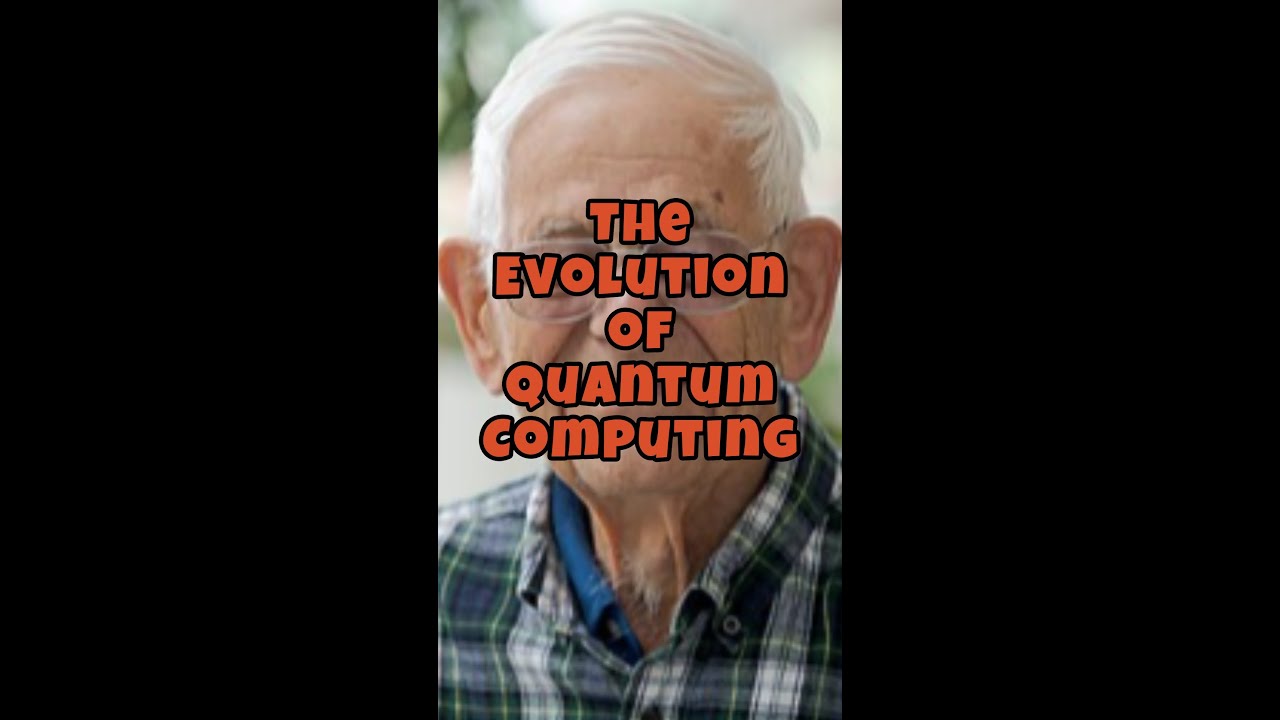
This narrative chronicles the groundbreaking developments in quantum computing from 1979 to 2024. It highlights key figures such as Paul Benioff, Richard Feynman, David Deutsch, Peter Shor, and Lov Grover, who contributed to the theoretical and practical advancements in the field. The story culminates in 2024 with Dobslit's introduction of the first educational quantum computer in Brazil, aiming to democratize access to this transformative technology.
#quantumcomputing #innovation #technology #education #future
In 1979, Paul Benioff, a visionary physicist, published a revolutionary paper that established the physical foundation for quantum computers. In 1980, he proposed the construction of a Turing machine using quantum systems, paving the way for the computing of the future.
During the First Conference on Physics of Computation in 1981, Richard Feynman, a renowned physicist, suggested that quantum computers could simulate complex physical systems. In 1982, he proposed a quantum computer that utilizes superposition and entanglement, revolutionizing science.
In 1985, David Deutsch, a physicist from the University of Oxford, proposed the quantum Turing machine, laying the theoretical groundwork for quantum computing. His pioneering vision inspires a new era of technological possibilities, challenging the limits of classical computing.
In 1994, Peter Shor, a brilliant mathematician, developed Shor's algorithm, capable of factoring large numbers exponentially faster than classical algorithms.This breakthrough highlights the practical potential of quantum computing, generating significant interest in the field.
Lov Grover, in 1996, created Grover's quantum search algorithm, which searches unsorted lists more efficiently than classical methods. His innovation demonstrates yet another advantage of quantum computers, broadening the horizon of quantum research.
In 2012, John Preskill, an influential physicist, coined the term "quantum supremacy" to describe the moment when quantum computers surpass classical ones in specific tasks. His definition marks a crucial milestone in the evolution of quantum computing.
In 2019, John Martinis announced that his quantum processor, Sycamore, completed a task in 200 seconds that would have taken the world's most powerful supercomputer 10,000 years to complete. While debate continues, it was a major milestone on the path to what is now known as 'quantum supremacy'.
#quantumcomputing #innovation #technology #education #future
In 1979, Paul Benioff, a visionary physicist, published a revolutionary paper that established the physical foundation for quantum computers. In 1980, he proposed the construction of a Turing machine using quantum systems, paving the way for the computing of the future.
During the First Conference on Physics of Computation in 1981, Richard Feynman, a renowned physicist, suggested that quantum computers could simulate complex physical systems. In 1982, he proposed a quantum computer that utilizes superposition and entanglement, revolutionizing science.
In 1985, David Deutsch, a physicist from the University of Oxford, proposed the quantum Turing machine, laying the theoretical groundwork for quantum computing. His pioneering vision inspires a new era of technological possibilities, challenging the limits of classical computing.
In 1994, Peter Shor, a brilliant mathematician, developed Shor's algorithm, capable of factoring large numbers exponentially faster than classical algorithms.This breakthrough highlights the practical potential of quantum computing, generating significant interest in the field.
Lov Grover, in 1996, created Grover's quantum search algorithm, which searches unsorted lists more efficiently than classical methods. His innovation demonstrates yet another advantage of quantum computers, broadening the horizon of quantum research.
In 2012, John Preskill, an influential physicist, coined the term "quantum supremacy" to describe the moment when quantum computers surpass classical ones in specific tasks. His definition marks a crucial milestone in the evolution of quantum computing.
In 2019, John Martinis announced that his quantum processor, Sycamore, completed a task in 200 seconds that would have taken the world's most powerful supercomputer 10,000 years to complete. While debate continues, it was a major milestone on the path to what is now known as 'quantum supremacy'.
Video Information
Views
46
Likes
2
Duration
2:18
Published
Nov 11, 2024
Related Trending Topics
LIVE TRENDSRelated trending topics. Click any trend to explore more videos.