EV Sales After Rebate Removal: 2025 Update 🚗
Motormouth discusses the current EV market and insights from J.D. Power's annual Canadian EV study post-rebate changes.

Motormouth
67.0K views • Jun 4, 2025
About this video
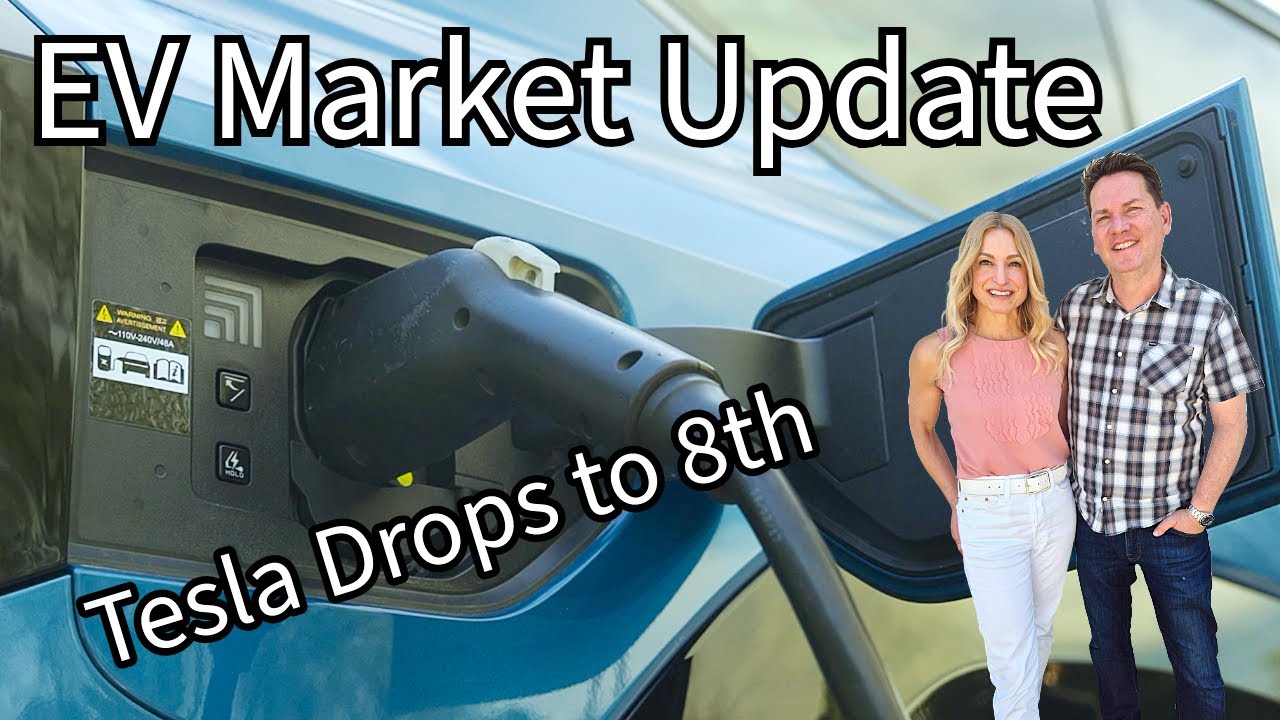
This is a Motormouth couple car video discussing the state of the EV marketplace.
J.D. Power Electric Vehicle consideration study in Canada is an annual study for gauging EV shopper consideration. The study content includes, 3,979 new vehicle shoppers from March – April 2025.
The US J.D. Power Electric Vehicle Experience Ownership study conducted in collaboration with PlugShare includes 6,164 owners of 2024 and 2025 model year of BEVS and PHEVs. The study was fielded from August through December 2024.
Vehicle Shoppers in Canada less than half as likely to consider an EV than US shoppers.
According to the J.D. Power study, the percentage of new vehicle shoppers in Canada who say they are very likely or somewhat likely to consider an EV for their next purchase has held steady at 28% year over year. It is down one percentage point from 2024 but 34% from 2023. Yet in the US, consumers considering an EV is 59% which is unchanged from 2024. In the US, year end retail sales data from JD Power shows EVs reached a market share of 9.1% in 2024 which is up from 8.4% from 2023. This mostly fueled by a growing number of mass market BEV models entering the market. JD Power in the US is forecasting EV sales to be flat in 2025 due to uncertainly with the new US administration when it comes to charging infrastructure funding and EV tax credits.
In Canada, due to market dynamics changing and the lack of rebates, nearly 42% of new vehicle shoppers who say they are likely to consider an EV, also say that the pause in the $5,000 per vehicle Federal incentive program would negatively affect their likelihood to shop for an EV.
When the province of Quebec paused its incentives in February and March of 2025, consideration to buy one declined 8% whereas the rest of Canada increased 2%.
Despite the volatile market, consumer interest at a topline level is largely unchanged this year.
In Canada, there has also been a shakeup in the lineup of EV brands considered to more traditional brands. Toyota, Chevrolet, Ford, Kia and Hyundai are now the top five most considered brands among new vehicle shoppers who are very likely or somewhat likely to consider an EV. Tesla which had been among the top two EV brands considered in the study for the past four years has fallen to eighth place, down 16 percentage points year over year whereas the other brands combined on average gained half a percentage point.
75% of new vehicle shoppers are not confident the Canadian governments 100% zero emissions target by 2035 will not be achieved.
Some key findings in the US J.D. Power study include, an opportunity at dealership level to improve BEV ownership experience via customer education. Mass market BEV quality continues to outperform premium BEVs. Premium plug-in hybrid vehicles may be a viable alternative to consumers. Public charging woes persist but an improvement has been seen among mass market owners. 94% of BEV owners are likely to stick with a pure electric vehicle for their next purchase. That means brand loyalty could play a factor if there’s good customer service and quality from a brand.
In the US, the Hyundai IONIQ 6 ranks highest in the mass market BEV segment followed by the Kia EV6 and Chevrolet Equinox EV. In the luxury category the BMW iX ranks highest overall followed by the BMW i4, then the Rivian R1S and the Tesla Model 3.
Link to studies:
Canada
https://www.jdpower.com/business/press-releases/2025-canada-electric-vehicle-consideration-evc-study
U.S.
https://www.jdpower.com/business/automotive/electric-vehicle-experience-evx-ownership-study.
J.D. Power Electric Vehicle consideration study in Canada is an annual study for gauging EV shopper consideration. The study content includes, 3,979 new vehicle shoppers from March – April 2025.
The US J.D. Power Electric Vehicle Experience Ownership study conducted in collaboration with PlugShare includes 6,164 owners of 2024 and 2025 model year of BEVS and PHEVs. The study was fielded from August through December 2024.
Vehicle Shoppers in Canada less than half as likely to consider an EV than US shoppers.
According to the J.D. Power study, the percentage of new vehicle shoppers in Canada who say they are very likely or somewhat likely to consider an EV for their next purchase has held steady at 28% year over year. It is down one percentage point from 2024 but 34% from 2023. Yet in the US, consumers considering an EV is 59% which is unchanged from 2024. In the US, year end retail sales data from JD Power shows EVs reached a market share of 9.1% in 2024 which is up from 8.4% from 2023. This mostly fueled by a growing number of mass market BEV models entering the market. JD Power in the US is forecasting EV sales to be flat in 2025 due to uncertainly with the new US administration when it comes to charging infrastructure funding and EV tax credits.
In Canada, due to market dynamics changing and the lack of rebates, nearly 42% of new vehicle shoppers who say they are likely to consider an EV, also say that the pause in the $5,000 per vehicle Federal incentive program would negatively affect their likelihood to shop for an EV.
When the province of Quebec paused its incentives in February and March of 2025, consideration to buy one declined 8% whereas the rest of Canada increased 2%.
Despite the volatile market, consumer interest at a topline level is largely unchanged this year.
In Canada, there has also been a shakeup in the lineup of EV brands considered to more traditional brands. Toyota, Chevrolet, Ford, Kia and Hyundai are now the top five most considered brands among new vehicle shoppers who are very likely or somewhat likely to consider an EV. Tesla which had been among the top two EV brands considered in the study for the past four years has fallen to eighth place, down 16 percentage points year over year whereas the other brands combined on average gained half a percentage point.
75% of new vehicle shoppers are not confident the Canadian governments 100% zero emissions target by 2035 will not be achieved.
Some key findings in the US J.D. Power study include, an opportunity at dealership level to improve BEV ownership experience via customer education. Mass market BEV quality continues to outperform premium BEVs. Premium plug-in hybrid vehicles may be a viable alternative to consumers. Public charging woes persist but an improvement has been seen among mass market owners. 94% of BEV owners are likely to stick with a pure electric vehicle for their next purchase. That means brand loyalty could play a factor if there’s good customer service and quality from a brand.
In the US, the Hyundai IONIQ 6 ranks highest in the mass market BEV segment followed by the Kia EV6 and Chevrolet Equinox EV. In the luxury category the BMW iX ranks highest overall followed by the BMW i4, then the Rivian R1S and the Tesla Model 3.
Link to studies:
Canada
https://www.jdpower.com/business/press-releases/2025-canada-electric-vehicle-consideration-evc-study
U.S.
https://www.jdpower.com/business/automotive/electric-vehicle-experience-evx-ownership-study.
Video Information
Views
67.0K
Likes
2.4K
Duration
13:43
Published
Jun 4, 2025
User Reviews
4.7
(13) Related Trending Topics
LIVE TRENDSRelated trending topics. Click any trend to explore more videos.