Prosecutor Faces 3 Years for Major Graft Probe 🚨
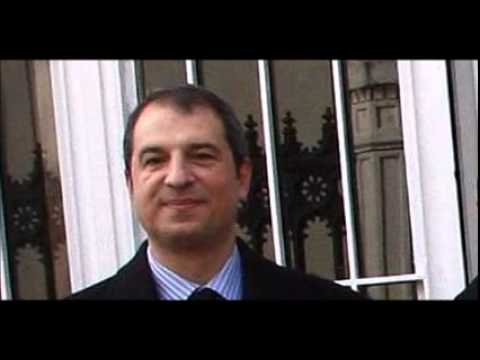
Prosecutor Celal Kara, involved in a key corruption investigation, risks jail time as he faces charges related to the Dec. 17 probe.

TooLateToDebate
11 views • Apr 19, 2015
About this video
Prosecutor Celal Kara, who oversaw the major corruption investigation known as the Dec. 17 probe implicating figures who were ministers and close to government circles, is now accused of malpractice, and faces a prison term of up to three years, the Doğan news agency reported on Thursday.
Muammer Akkaş, the prosecutor of the Dec. 25, 2013 corruption investigation, which followed the Dec. 17 probe, as well as Süleyman Karaçöl, the judge in the case, were also prosecuted previously.
Upon petitions from the former suspects in both graft investigations, which were later discontinued, the Supreme Board of Judges and Prosecutors (HSYK) granted permission on March 3 for Kara, Akkaş and Karaçöl to be prosecuted. After the permission was given, an indictment was prepared against the two prosecutors and the judge.
In the indictment against Kara, among the complainants is Barış Güler, the son of former Interior Minister Muammer Güler, who resigned after the Dec. 17 corruption scandal. Barış Güler was among those briefly arrested as part of the Dec. 17 probe.
According to the indictment, Kara demanded confiscation of the assets of the suspects without providing substantial evidence. If the indictment is admitted by the Bakırköy 16th High Criminal Court, his trial will be handled by the Supreme Court of Appeals because of the fact that he is a prosecutor. Kara was demoted and reassigned to a rural province after he ordered a police raid on Dec. 17. He was later dismissed from his post by the HSYK.
The corruption investigation -- in which 24 people, including the sons of three then-ministers who were later forced to leave their posts, were arrested -- became public on Dec. 17, 2013. A state-run bank's manager, a mayor and high-profile businessmen with close ties to the government were among those arrested. The high-profile businessman was Reza Zarrab, an Iranian based in Turkey and married to a famous Turkish singer. Zarrab was accused of managing a network used to launder at least 87 billion euros to circumvent international sanctions against Iran. In addition, he allegedly bribed ministers, their sons and public officials to keep his network working. According to prosecutors' findings, Zarrab distributed TL 139 million in bribes.
Another wave of high-profile arrests came on Dec. 25, 2013, as part of another corruption probe.
Then-Interior Minister Güler, European Union Affairs Minister Egemen Bağış, Economy Minister Zafer Çağlayan and Environment and Urban Planning Minister Erdoğan Bayraktar, all of whom were implicated in the two major graft cases, resigned from their posts shortly after the scandal.
Then-Prime Minister Recep Tayyip Erdoğan sought to discredit the investigation by calling it a “foreign plot” and an “attempt to overthrow the government by a parallel state nested within the state.”
Both the Dec. 17 and Dec. 25 cases were later dropped.
On Jan. 5, 2015, the parliamentary commission established to look into claims of corruption against the four former Cabinet ministers voted against referring them to a top court for trial.
In a final vote by Parliament on Jan. 20, a majority of the lawmakers, mostly ruling Justice and Development Party (AK Party) members, rejected the four ex-ministers being tried by the Constitutional Court. However, contrary to the general expectation, a large number of AK Party deputies voted in favor of the ex-ministers' trial.
Muammer Akkaş, the prosecutor of the Dec. 25, 2013 corruption investigation, which followed the Dec. 17 probe, as well as Süleyman Karaçöl, the judge in the case, were also prosecuted previously.
Upon petitions from the former suspects in both graft investigations, which were later discontinued, the Supreme Board of Judges and Prosecutors (HSYK) granted permission on March 3 for Kara, Akkaş and Karaçöl to be prosecuted. After the permission was given, an indictment was prepared against the two prosecutors and the judge.
In the indictment against Kara, among the complainants is Barış Güler, the son of former Interior Minister Muammer Güler, who resigned after the Dec. 17 corruption scandal. Barış Güler was among those briefly arrested as part of the Dec. 17 probe.
According to the indictment, Kara demanded confiscation of the assets of the suspects without providing substantial evidence. If the indictment is admitted by the Bakırköy 16th High Criminal Court, his trial will be handled by the Supreme Court of Appeals because of the fact that he is a prosecutor. Kara was demoted and reassigned to a rural province after he ordered a police raid on Dec. 17. He was later dismissed from his post by the HSYK.
The corruption investigation -- in which 24 people, including the sons of three then-ministers who were later forced to leave their posts, were arrested -- became public on Dec. 17, 2013. A state-run bank's manager, a mayor and high-profile businessmen with close ties to the government were among those arrested. The high-profile businessman was Reza Zarrab, an Iranian based in Turkey and married to a famous Turkish singer. Zarrab was accused of managing a network used to launder at least 87 billion euros to circumvent international sanctions against Iran. In addition, he allegedly bribed ministers, their sons and public officials to keep his network working. According to prosecutors' findings, Zarrab distributed TL 139 million in bribes.
Another wave of high-profile arrests came on Dec. 25, 2013, as part of another corruption probe.
Then-Interior Minister Güler, European Union Affairs Minister Egemen Bağış, Economy Minister Zafer Çağlayan and Environment and Urban Planning Minister Erdoğan Bayraktar, all of whom were implicated in the two major graft cases, resigned from their posts shortly after the scandal.
Then-Prime Minister Recep Tayyip Erdoğan sought to discredit the investigation by calling it a “foreign plot” and an “attempt to overthrow the government by a parallel state nested within the state.”
Both the Dec. 17 and Dec. 25 cases were later dropped.
On Jan. 5, 2015, the parliamentary commission established to look into claims of corruption against the four former Cabinet ministers voted against referring them to a top court for trial.
In a final vote by Parliament on Jan. 20, a majority of the lawmakers, mostly ruling Justice and Development Party (AK Party) members, rejected the four ex-ministers being tried by the Constitutional Court. However, contrary to the general expectation, a large number of AK Party deputies voted in favor of the ex-ministers' trial.
Video Information
Views
11
Duration
3:55
Published
Apr 19, 2015
Related Trending Topics
LIVE TRENDSRelated trending topics. Click any trend to explore more videos.
No specific trending topics match this video yet.
Explore All Trends