Posterior Canal BPPV Nystagmus Explained
Learn how to identify and interpret positional nystagmus during the Dix Hallpike test for posterior canal BPPV diagnosis.

Vestibular First
171.7K views • Jan 30, 2025
About this video
Positional nystagmus – is it BPPV?
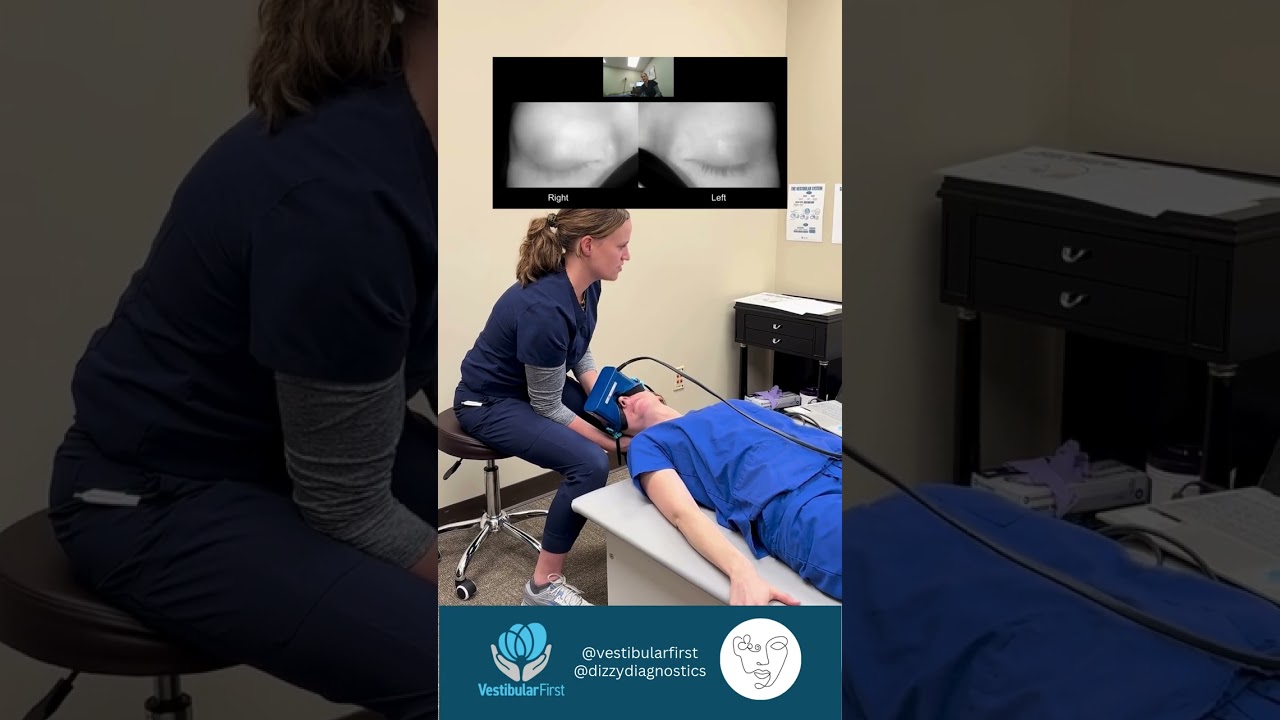
When it comes to assessing nystagmus during the Dix Hallpike maneuver, knowing how to
interpret those patterns is key! Here’s your quick guide to confirming posterior canal BPPV:
🔎DIRECTION: Look for upward torsion toward the affected ear.
⏳ LATENCY: Notice the short delay before nystagmus kicks in.
⏰ TIME PATTERN: Watch for a brief burst following a crescendo-decrescendo rhythm.
Check out how swiftly this nystagmus appeared and disappeared! This highlights the importance of infrared goggles—not just for eliminating fixation, but for capturing and
reviewing those vital nystagmus qualities!
-Posterior canal BPPV accounts for ~50% of BPPV cases. But remember, not every case of
positional dizziness is BPPV.
-Up to 12% of patients with positional nystagmus are from a
central cause! If symptoms persist despite treatment, take a step back, reassess, and explore
other diagnoses.
Your patients depend on your expertise!
(Kim and Zee, 2014)
(Lemos and Strupp, 2022 )
(Bhandari et al., 2023) #short
When it comes to assessing nystagmus during the Dix Hallpike maneuver, knowing how to
interpret those patterns is key! Here’s your quick guide to confirming posterior canal BPPV:
🔎DIRECTION: Look for upward torsion toward the affected ear.
⏳ LATENCY: Notice the short delay before nystagmus kicks in.
⏰ TIME PATTERN: Watch for a brief burst following a crescendo-decrescendo rhythm.
Check out how swiftly this nystagmus appeared and disappeared! This highlights the importance of infrared goggles—not just for eliminating fixation, but for capturing and
reviewing those vital nystagmus qualities!
-Posterior canal BPPV accounts for ~50% of BPPV cases. But remember, not every case of
positional dizziness is BPPV.
-Up to 12% of patients with positional nystagmus are from a
central cause! If symptoms persist despite treatment, take a step back, reassess, and explore
other diagnoses.
Your patients depend on your expertise!
(Kim and Zee, 2014)
(Lemos and Strupp, 2022 )
(Bhandari et al., 2023) #short
Video Information
Views
171.7K
Likes
1.1K
Duration
0:21
Published
Jan 30, 2025
User Reviews
4.2
(34) Related Trending Topics
LIVE TRENDSRelated trending topics. Click any trend to explore more videos.