P vs NP Explained: The Biggest Open Question in Computer Science 🧠
Discover the mystery behind the P vs NP problem, a fundamental challenge in computer science that could reshape our understanding of computational complexity and problem-solving.

Mind Your Science
11 views • Oct 26, 2025
About this video
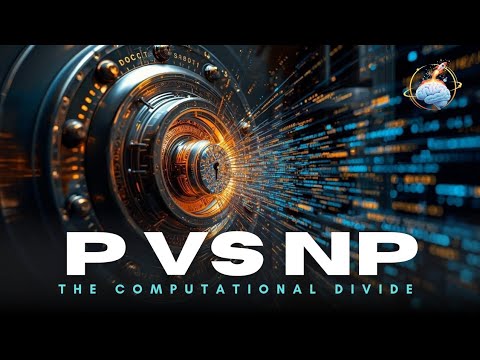
P vs NP | The Computational Divide
The P vs NP Problem is the most significant unsolved question in computer science and one of the seven Millennium Prize Problems, carrying a $1 million reward. It asks a profound question about the fundamental limits of computation: Does finding a solution have the same difficulty as merely checking a proposed solution?
The Computational Divide
Class P (Easy): These problems are considered solvable quickly (in "polynomial time"). Think of quickly calculating a large multiplication sum or finding the fastest way to sort a small list. Computers handle these with ease.
Class NP (Hard to Solve, Easy to Check): These problems are extremely difficult to solve, often requiring machines to test vast, almost infinite possibilities. Examples include creating a perfect schedule, designing a perfect drug, or solving the Traveling Salesman Problem (finding the absolute shortest route connecting hundreds of cities). Crucially, while finding the answer is hard, verifying the correctness of a proposed answer is always easy.
The Stakes
The P vs NP problem is the ultimate philosophical challenge to the digital age.
If P = NP (The Revolution): If proved true, it would mean that every hard problem in NP actually has a hidden, fast algorithm. It would lead to radical, instantaneous breakthroughs: perfect AI, optimal global logistics, guaranteed stock market predictions, and the flawless design of new materials. However, it would also mean that modern cryptography (which relies on problems being hard to solve) could be cracked almost instantly, collapsing global digital security.
If P \neq NP (The Status Quo): If proved true (the widely accepted belief), it affirms that genuine difficulty exists. It confirms that tasks like inventive design and creative leaps are intrinsically harder than verification, validating the need for human genius and securing the foundation of our current internet encryption.
This is the billion-dollar mystery that defines the line between what a computer can manage and what it can truly discover
#scienceexplained #facts #computer #pvsnp
The P vs NP Problem is the most significant unsolved question in computer science and one of the seven Millennium Prize Problems, carrying a $1 million reward. It asks a profound question about the fundamental limits of computation: Does finding a solution have the same difficulty as merely checking a proposed solution?
The Computational Divide
Class P (Easy): These problems are considered solvable quickly (in "polynomial time"). Think of quickly calculating a large multiplication sum or finding the fastest way to sort a small list. Computers handle these with ease.
Class NP (Hard to Solve, Easy to Check): These problems are extremely difficult to solve, often requiring machines to test vast, almost infinite possibilities. Examples include creating a perfect schedule, designing a perfect drug, or solving the Traveling Salesman Problem (finding the absolute shortest route connecting hundreds of cities). Crucially, while finding the answer is hard, verifying the correctness of a proposed answer is always easy.
The Stakes
The P vs NP problem is the ultimate philosophical challenge to the digital age.
If P = NP (The Revolution): If proved true, it would mean that every hard problem in NP actually has a hidden, fast algorithm. It would lead to radical, instantaneous breakthroughs: perfect AI, optimal global logistics, guaranteed stock market predictions, and the flawless design of new materials. However, it would also mean that modern cryptography (which relies on problems being hard to solve) could be cracked almost instantly, collapsing global digital security.
If P \neq NP (The Status Quo): If proved true (the widely accepted belief), it affirms that genuine difficulty exists. It confirms that tasks like inventive design and creative leaps are intrinsically harder than verification, validating the need for human genius and securing the foundation of our current internet encryption.
This is the billion-dollar mystery that defines the line between what a computer can manage and what it can truly discover
#scienceexplained #facts #computer #pvsnp
Tags and Topics
Browse our collection to discover more content in these categories.
Video Information
Views
11
Likes
1
Duration
4:33
Published
Oct 26, 2025
Related Trending Topics
LIVE TRENDSRelated trending topics. Click any trend to explore more videos.
No specific trending topics match this video yet.
Explore All Trends