Nuclear War Simulation — What Your Suburb Looks Like 12 Hours After the First Strike
The bomb satisfies Hollywood's version in exactly zero ways. It doesn't flatten your suburb. It doesn't melt your car. It doesn't turn the sky green. It dest...
Collapse Theory
14.2K views • May 6, 2026
About this video
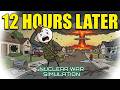
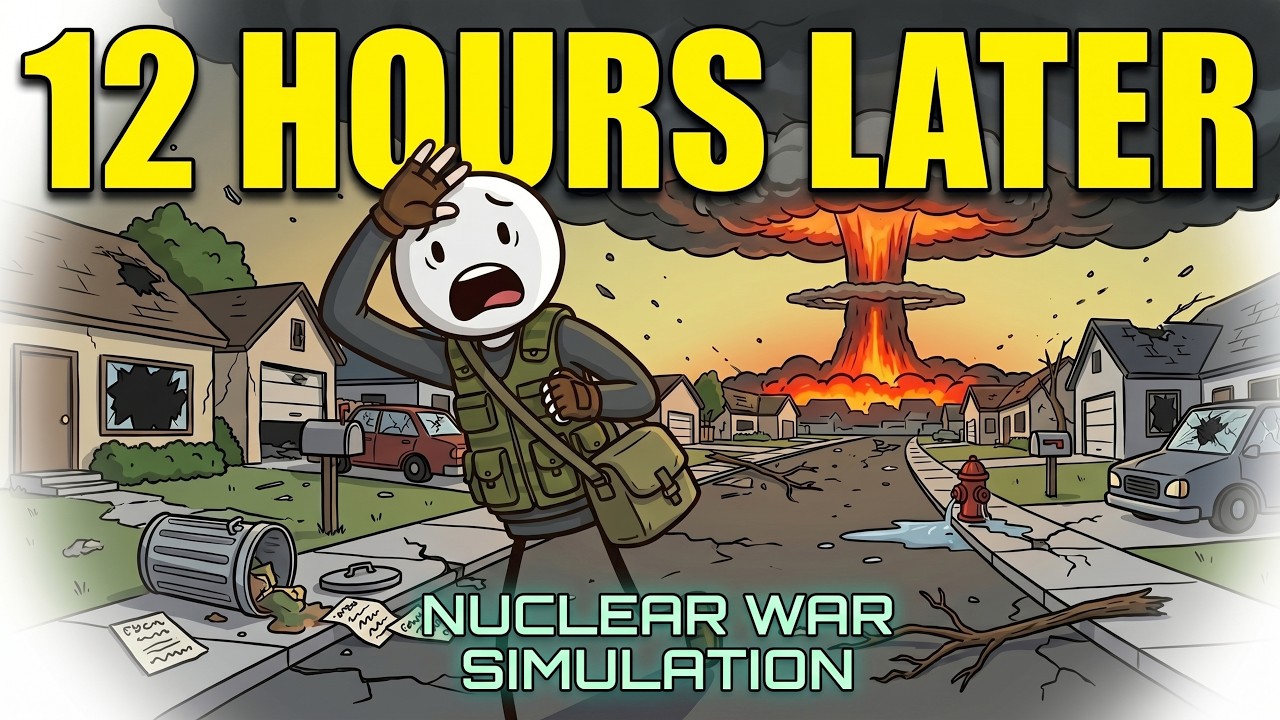
The bomb satisfies Hollywood's version in exactly zero ways. It doesn't flatten your suburb. It doesn't melt your car. It doesn't turn the sky green. It destroys every system your house is connected to—grid, water, communications, supply chain, hospitals—and leaves your walls standing. That's worse. Because standing walls feel safe. And safe people don't move.
This is an hour-by-hour simulation—Hour Zero through Hour Eleven—of what actually happens inside a typical suburb five to fifty miles from a strategic ground burst. Every claim is sourced from declassified federal documents: Glasstone & Dolan effects tables, FEMA planning guidance, Lawrence Livermore fallout modeling, and EMP Commission reports most people have never opened. What fails, when it fails, and which decisions in that twelve-hour window determine whether a household survives the week.
If a strike happened at 3:00 this afternoon, could you name three neighbors you'd trust to coordinate water, watch rotation, and information sharing? If not, that's the gap. Tell us in the comments which hour scared you most—and which preparation you still don't have.
Subscribe for more analysis built from the documents most people never read.
Chapters:
00:00 — The bomb doesn't destroy your house
01:12 — The physics: light, thermal pulse, and the 75-second pause
02:45 — Hour Zero: the first sixty seconds and the window trap
04:30 — Hour One: shockwave, silence, and the 88% statistic
06:48 — Hour Two: the grid dies and doesn't come back
08:55 — Hour Three: communications collapse and the one channel that survives
10:40 — Hour Four: water pressure fails and the bathtub window
12:50 — Hour Five: fallout arrives and the basement-and-a-closed-door calculation
15:30 — Hour Six: evacuation gridlock and the moral dilemma of the school run
18:10 — Hour Seven: gas stations go dark
20:05 — Hour Eight: the information vacuum and rumor-driven decisions
22:20 — Hour Nine: neighbors become the variable that matters most
25:00 — Hour Ten: the first casualties and the water-for-two arithmetic
28:15 — Hour Eleven: the twelve-hour verdict and two households side by side
31:40 — The closing: lone wolves die, blocks survive
#NuclearPreparedness #DoomsdayPrep #SHTF #NuclearSurvival #EmergencyPreparedness #GridDown #FalloutShelter #SurvivalGuide #DisasterPrep #FEMA #Prepping #ShelterInPlace #NuclearWar #CrisisResponse #PrepperCommunity
This is an hour-by-hour simulation—Hour Zero through Hour Eleven—of what actually happens inside a typical suburb five to fifty miles from a strategic ground burst. Every claim is sourced from declassified federal documents: Glasstone & Dolan effects tables, FEMA planning guidance, Lawrence Livermore fallout modeling, and EMP Commission reports most people have never opened. What fails, when it fails, and which decisions in that twelve-hour window determine whether a household survives the week.
If a strike happened at 3:00 this afternoon, could you name three neighbors you'd trust to coordinate water, watch rotation, and information sharing? If not, that's the gap. Tell us in the comments which hour scared you most—and which preparation you still don't have.
Subscribe for more analysis built from the documents most people never read.
Chapters:
00:00 — The bomb doesn't destroy your house
01:12 — The physics: light, thermal pulse, and the 75-second pause
02:45 — Hour Zero: the first sixty seconds and the window trap
04:30 — Hour One: shockwave, silence, and the 88% statistic
06:48 — Hour Two: the grid dies and doesn't come back
08:55 — Hour Three: communications collapse and the one channel that survives
10:40 — Hour Four: water pressure fails and the bathtub window
12:50 — Hour Five: fallout arrives and the basement-and-a-closed-door calculation
15:30 — Hour Six: evacuation gridlock and the moral dilemma of the school run
18:10 — Hour Seven: gas stations go dark
20:05 — Hour Eight: the information vacuum and rumor-driven decisions
22:20 — Hour Nine: neighbors become the variable that matters most
25:00 — Hour Ten: the first casualties and the water-for-two arithmetic
28:15 — Hour Eleven: the twelve-hour verdict and two households side by side
31:40 — The closing: lone wolves die, blocks survive
#NuclearPreparedness #DoomsdayPrep #SHTF #NuclearSurvival #EmergencyPreparedness #GridDown #FalloutShelter #SurvivalGuide #DisasterPrep #FEMA #Prepping #ShelterInPlace #NuclearWar #CrisisResponse #PrepperCommunity
Video Information
Views
14.2K
Likes
415
Duration
22:57
Published
May 6, 2026
User Reviews
4.6
(2) Related Trending Topics
LIVE TRENDSRelated trending topics. Click any trend to explore more videos.