Landslides: How Gravity Moves Earth and Rock Down Slopes
What causes the ground beneath us to suddenly collapse and move? In this lesson, students explore the powerful natural forces behind landslides and how Earth...
Lumina Learning
67.7K views • Oct 23, 2019
About this video
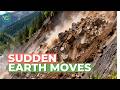
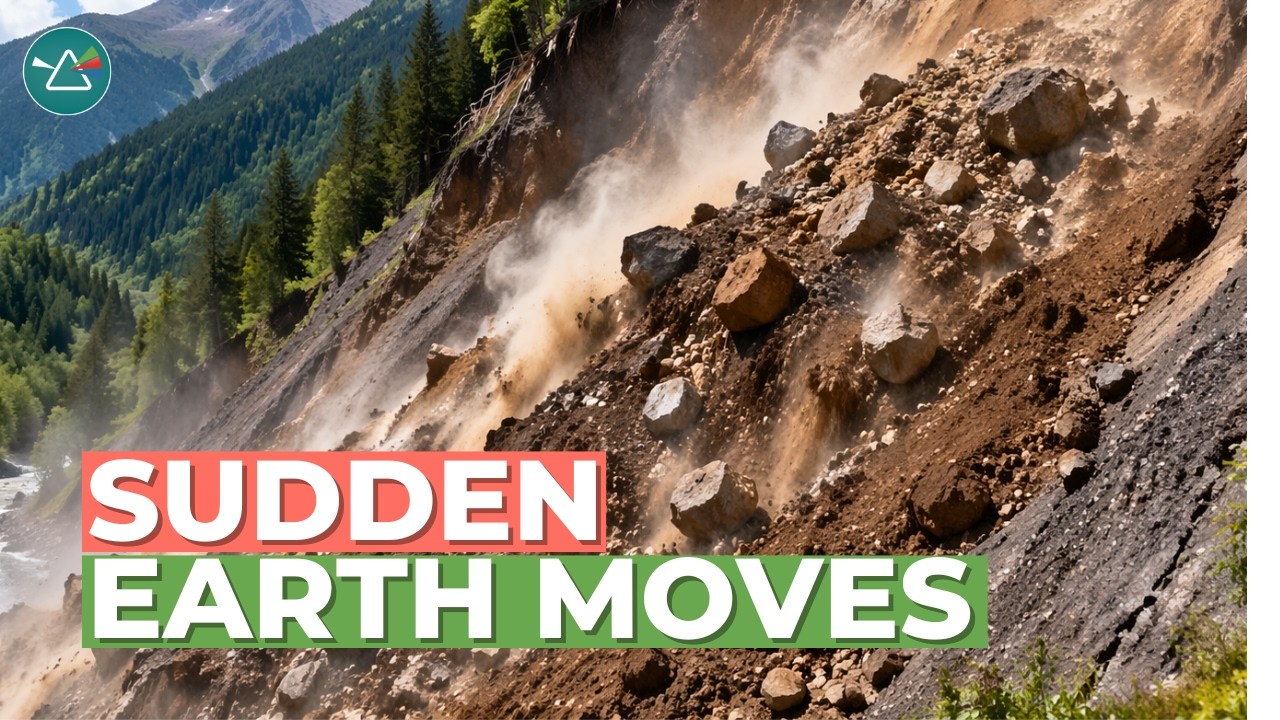
What causes the ground beneath us to suddenly collapse and move? In this lesson, students explore the powerful natural forces behind landslides and how Earth’s surface is constantly changing.
In this video, learners will discover:
What a landslide is and how it happens
How gravity pulls rock and soil down slopes
The role of weathering and erosion in weakening land
How rain, snowmelt, and plant roots affect stability
How earthquakes and volcanoes can trigger landslides
Real-world examples, including the Mount St. Helens landslide
Landslides are a key part of Earth science and help explain how landscapes change over time. This video supports classroom instruction by breaking down complex processes into clear, engaging explanations aligned to elementary science standards.
Teachers and parents can use this video to introduce natural hazards, Earth systems, and cause-and-effect relationships in science.
Subscribe for more "Curriculum for Curious Minds" and discover our complete science unit here: https://bit.ly/4sjvvql
EDUCATIONAL STANDARDS
NGSS Candidates
4-ESS2-1
Make observations and/or measurements to provide evidence of the effects of weathering or erosion
Confidence: 95%
Evidence: Explains how rain, snowmelt, and erosion weaken slopes
3-ESS2-1
Represent data in tables/graphs to describe typical weather conditions
Confidence: 70%
Evidence: Mentions weather impacts like rainfall contributing to landslides
5-ESS2-1
Develop a model using examples to describe ways the geosphere interacts with other Earth systems
Confidence: 90%
Evidence: Shows interaction between land, water, and gravity
4-ESS3-2
Generate and compare solutions to reduce impacts of natural Earth processes
Confidence: 75%
Evidence: Introduces landslides as natural hazards
CCSS Candidates
RI.3.3
Describe the relationship between events using cause and effect
Confidence: 95%
Evidence: Clear cause-effect structure (erosion → slope failure → landslide)
RI.4.1
Refer to details and examples when explaining a text
Confidence: 90%
Evidence: Uses Mount St. Helens example
RI.4.3
Explain events, procedures, or concepts in a scientific text
Confidence: 95%
Evidence: Step-by-step explanation of landslide formation
RI.3.7
Use information from illustrations and text to demonstrate understanding
Confidence: 85%
Evidence: Supports visual learning of slope movement
W.4.2
Write informative texts to examine a topic
Confidence: 80%
Evidence: Supports informational writing connections
Best-Fit Alignment Summary
This video strongly aligns with NGSS Earth systems standards and CCSS informational text standards by clearly explaining cause-and-effect relationships in natural processes like landslides.
In this video, learners will discover:
What a landslide is and how it happens
How gravity pulls rock and soil down slopes
The role of weathering and erosion in weakening land
How rain, snowmelt, and plant roots affect stability
How earthquakes and volcanoes can trigger landslides
Real-world examples, including the Mount St. Helens landslide
Landslides are a key part of Earth science and help explain how landscapes change over time. This video supports classroom instruction by breaking down complex processes into clear, engaging explanations aligned to elementary science standards.
Teachers and parents can use this video to introduce natural hazards, Earth systems, and cause-and-effect relationships in science.
Subscribe for more "Curriculum for Curious Minds" and discover our complete science unit here: https://bit.ly/4sjvvql
EDUCATIONAL STANDARDS
NGSS Candidates
4-ESS2-1
Make observations and/or measurements to provide evidence of the effects of weathering or erosion
Confidence: 95%
Evidence: Explains how rain, snowmelt, and erosion weaken slopes
3-ESS2-1
Represent data in tables/graphs to describe typical weather conditions
Confidence: 70%
Evidence: Mentions weather impacts like rainfall contributing to landslides
5-ESS2-1
Develop a model using examples to describe ways the geosphere interacts with other Earth systems
Confidence: 90%
Evidence: Shows interaction between land, water, and gravity
4-ESS3-2
Generate and compare solutions to reduce impacts of natural Earth processes
Confidence: 75%
Evidence: Introduces landslides as natural hazards
CCSS Candidates
RI.3.3
Describe the relationship between events using cause and effect
Confidence: 95%
Evidence: Clear cause-effect structure (erosion → slope failure → landslide)
RI.4.1
Refer to details and examples when explaining a text
Confidence: 90%
Evidence: Uses Mount St. Helens example
RI.4.3
Explain events, procedures, or concepts in a scientific text
Confidence: 95%
Evidence: Step-by-step explanation of landslide formation
RI.3.7
Use information from illustrations and text to demonstrate understanding
Confidence: 85%
Evidence: Supports visual learning of slope movement
W.4.2
Write informative texts to examine a topic
Confidence: 80%
Evidence: Supports informational writing connections
Best-Fit Alignment Summary
This video strongly aligns with NGSS Earth systems standards and CCSS informational text standards by clearly explaining cause-and-effect relationships in natural processes like landslides.
Tags and Topics
Browse our collection to discover more content in these categories.
Video Information
Views
67.7K
Likes
227
Duration
2:14
Published
Oct 23, 2019
User Reviews
4.1
(13) Related Trending Topics
LIVE TRENDSRelated trending topics. Click any trend to explore more videos.
No specific trending topics match this video yet.
Explore All Trends