Cardiovascular System: Heart, Blood Vessels & Functions
Learn about the heart, blood vessels, and their roles in the cardiovascular system with detailed notes and videos. 🫀

Nonstop Neuron
27.0K views • Mar 14, 2022
About this video
📝 Find notes here: https://www.nonstopneuron.com/post/introduction-to-cardiovascular-system
Explore our entire animation video library at: https://www.nonstopneuron.com/
Video Summary:
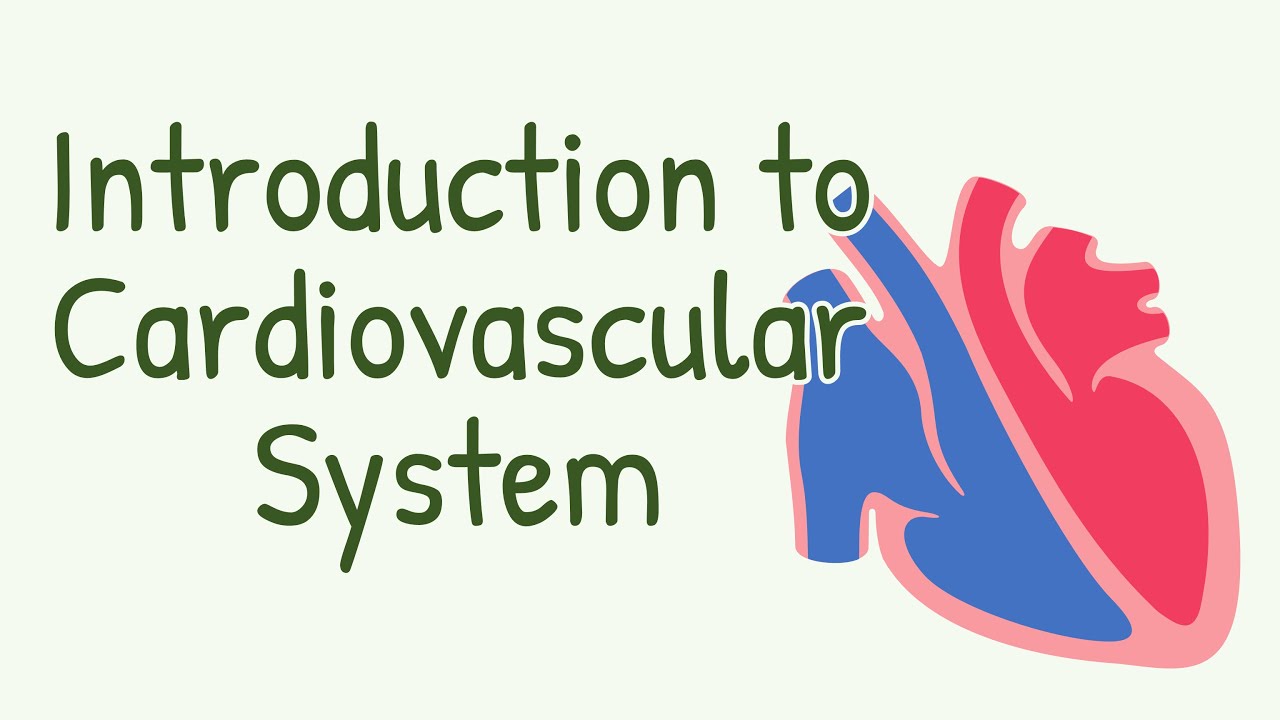
The cardiovascular system is composed of the heart and blood vessels. The heart has four chambers, two atria and two ventricles. The four chambers make two pumps, the right heart and the left heart. The blood flow in the heart is kept unidirectional with help of one-way valves. The blood vessels circulate the blood. Arteries take blood from the heart to other organs. At capillaries exchange of substances takes place and veins take the blood back to the heart. In systemic circulation, oxygen is delivered to the peripheral tissues and in pulmonary circulation, the blood gets oxygenated in the lungs.
🎞 More videos on Physiology of CVS
• Renin Angiotensin Aldosterone System (RAAS): https://youtu.be/X7bULUJE4iM
• Vasopressin: Synthesis, Release and Effects: https://youtu.be/xkfEfx4g5QI
• Baroreceptor Reflex: https://youtu.be/rUpnD7FIksw
Simplest Way to Show Circulation of Blood: https://youtu.be/8C0eeyXQXiI
• Fluid Filtration Across Capillary wall: https://youtu.be/Owv6FD8RZ8s
• Blood Flow:https: https://youtu.be/a8QVUWI5-jk
• Origins of Pressure in the Circulation: https://youtu.be/GoJcK7MRBdA
• Physical Properties of Blood Vessels: https://youtu.be/7ubdu7v2ipk
• Blood Pressure Along The Vascular Circuit: https://youtu.be/-Ew_jyRONM4
● Follow me at:
• Instagram: https://www.instagram.com/NonstopNeuron/
• Facebook: https://www.facebook.com/NonstopNeuron
Dr. Vipul Navadiya
DISCLAIMER: This video is for education purposes only. Although every effort is made to ensure the accuracy of the material, viewers should refer to the appropriate regulatory body/authorized websites, guidelines, and other suitable sources of information as deemed relevant and applicable. In view of the possibility of human error or changes in medical science, any person or organization involved in the preparation of this work accepts no responsibility for any errors or omissions, or results obtained from the use of information in this video.
Explore our entire animation video library at: https://www.nonstopneuron.com/
Video Summary:
The cardiovascular system is composed of the heart and blood vessels. The heart has four chambers, two atria and two ventricles. The four chambers make two pumps, the right heart and the left heart. The blood flow in the heart is kept unidirectional with help of one-way valves. The blood vessels circulate the blood. Arteries take blood from the heart to other organs. At capillaries exchange of substances takes place and veins take the blood back to the heart. In systemic circulation, oxygen is delivered to the peripheral tissues and in pulmonary circulation, the blood gets oxygenated in the lungs.
🎞 More videos on Physiology of CVS
• Renin Angiotensin Aldosterone System (RAAS): https://youtu.be/X7bULUJE4iM
• Vasopressin: Synthesis, Release and Effects: https://youtu.be/xkfEfx4g5QI
• Baroreceptor Reflex: https://youtu.be/rUpnD7FIksw
Simplest Way to Show Circulation of Blood: https://youtu.be/8C0eeyXQXiI
• Fluid Filtration Across Capillary wall: https://youtu.be/Owv6FD8RZ8s
• Blood Flow:https: https://youtu.be/a8QVUWI5-jk
• Origins of Pressure in the Circulation: https://youtu.be/GoJcK7MRBdA
• Physical Properties of Blood Vessels: https://youtu.be/7ubdu7v2ipk
• Blood Pressure Along The Vascular Circuit: https://youtu.be/-Ew_jyRONM4
● Follow me at:
• Instagram: https://www.instagram.com/NonstopNeuron/
• Facebook: https://www.facebook.com/NonstopNeuron
Dr. Vipul Navadiya
DISCLAIMER: This video is for education purposes only. Although every effort is made to ensure the accuracy of the material, viewers should refer to the appropriate regulatory body/authorized websites, guidelines, and other suitable sources of information as deemed relevant and applicable. In view of the possibility of human error or changes in medical science, any person or organization involved in the preparation of this work accepts no responsibility for any errors or omissions, or results obtained from the use of information in this video.
Tags and Topics
Browse our collection to discover more content in these categories.
Video Information
Views
27.0K
Likes
443
Duration
7:31
Published
Mar 14, 2022
User Reviews
4.6
(5) Related Trending Topics
LIVE TRENDSRelated trending topics. Click any trend to explore more videos.
No specific trending topics match this video yet.
Explore All Trends