Fisher Cats: Fascinating Facts 🐾
Discover interesting and surprising facts about fisher cats, from their behavior to unique traits. Explore the weird and wonderful!

Animal Square
324.3K views • Jan 24, 2018
About this video
#pet #animal : The most, new, latest, shocking, weird, scary, funny, fascinating, interesting and amazing things | facts in the world.
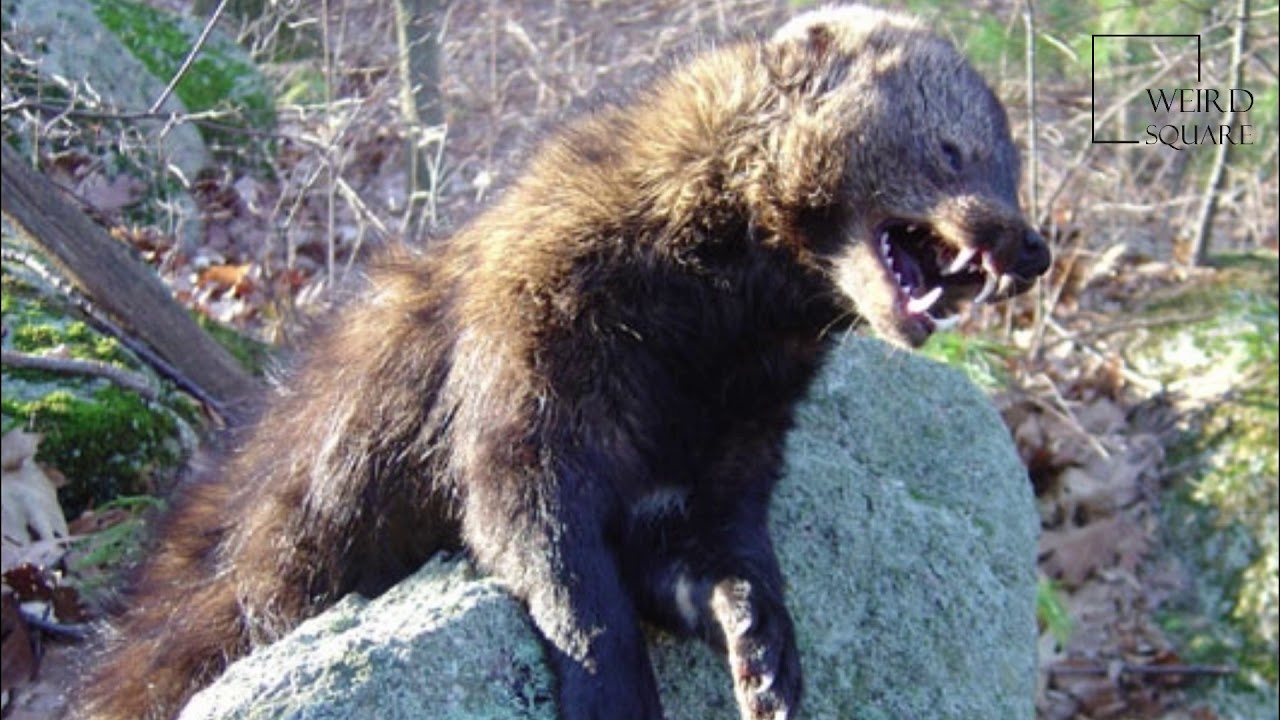
The fisher is a small carnivorous mammal native to North America. It is a member of the mustelid family (commonly referred to as the weasel family) and is in the monospecific genus Pekania. The fisher is closely related to but larger than the American marten (Martes americana). The fisher is a forest-dwelling creature whose range covers much of the boreal forest in Canada to the northern United States. Names derived from aboriginal languages include pekan, pequam, wejack, and woolang. It is also called a fisher cat, although it is not a feline.
Males and females look similar. Adult males are 90 to 120 cm (35–47 in) long and weigh 3.5 to 6 kilograms (8–13 lb). Adult females are 75 to 95 cm (30–37 in) long and weigh 2 to 2.5 kg (4–6 lb). The fur of the fisher varies seasonally, being denser and glossier in the winter. During the summer, the color becomes more mottled, as the fur goes through a moulting cycle. The fisher prefers to hunt in full forest. Though an agile climber, it spends most of its time on the forest floor, where it prefers to forage around fallen trees. An omnivore, the fisher feeds on a wide variety of small animals and occasionally on fruits and mushrooms. It prefers the snowshoe hare and is one of the few animals able to prey successfully on porcupines. Despite its common name, the fisher rarely eats fish.
The reproductive cycle of the fisher lasts almost a year. Female fishers give birth to a litter of three or four kits in the spring. They nurse and care for their kits until late summer, when they are old enough to set out on their own. Females enter estrus shortly after giving birth and leave the den to find a mate. Implantation of the blastocyst is delayed until the following spring, when they give birth and the cycle is renewed. Animal planet | Discovery | Netflix | Documentary | Animal World
| BBC Earth | NatGeoWild | Brave wilderness | The Dodo| Animal Aid Unlimited | Animal Planet | Real Wild | iPanda | Hope for Paws | Kruger Sightings | Discovery #animals
#animalvideos
#animaldiscovery
#animalfacts
#animalfriends
#animalfood
#animalgk
#animalhoues
#animallover
#animallove
#animallivesmatter
#animallife
The fisher is a small carnivorous mammal native to North America. It is a member of the mustelid family (commonly referred to as the weasel family) and is in the monospecific genus Pekania. The fisher is closely related to but larger than the American marten (Martes americana). The fisher is a forest-dwelling creature whose range covers much of the boreal forest in Canada to the northern United States. Names derived from aboriginal languages include pekan, pequam, wejack, and woolang. It is also called a fisher cat, although it is not a feline.
Males and females look similar. Adult males are 90 to 120 cm (35–47 in) long and weigh 3.5 to 6 kilograms (8–13 lb). Adult females are 75 to 95 cm (30–37 in) long and weigh 2 to 2.5 kg (4–6 lb). The fur of the fisher varies seasonally, being denser and glossier in the winter. During the summer, the color becomes more mottled, as the fur goes through a moulting cycle. The fisher prefers to hunt in full forest. Though an agile climber, it spends most of its time on the forest floor, where it prefers to forage around fallen trees. An omnivore, the fisher feeds on a wide variety of small animals and occasionally on fruits and mushrooms. It prefers the snowshoe hare and is one of the few animals able to prey successfully on porcupines. Despite its common name, the fisher rarely eats fish.
The reproductive cycle of the fisher lasts almost a year. Female fishers give birth to a litter of three or four kits in the spring. They nurse and care for their kits until late summer, when they are old enough to set out on their own. Females enter estrus shortly after giving birth and leave the den to find a mate. Implantation of the blastocyst is delayed until the following spring, when they give birth and the cycle is renewed. Animal planet | Discovery | Netflix | Documentary | Animal World
| BBC Earth | NatGeoWild | Brave wilderness | The Dodo| Animal Aid Unlimited | Animal Planet | Real Wild | iPanda | Hope for Paws | Kruger Sightings | Discovery #animals
#animalvideos
#animaldiscovery
#animalfacts
#animalfriends
#animalfood
#animalgk
#animalhoues
#animallover
#animallove
#animallivesmatter
#animallife
Tags and Topics
Browse our collection to discover more content in these categories.
Video Information
Views
324.3K
Likes
1.0K
Duration
1:48
Published
Jan 24, 2018
User Reviews
4.1
(64) Related Trending Topics
LIVE TRENDSRelated trending topics. Click any trend to explore more videos.