How Volcanic Gas Emissions Help Predict Eruptions 🌋
Discover how monitoring volcanic outgassing of water vapor, CO₂, and sulfur dioxide enables scientists to forecast eruptions and improve early warning systems.
DownTown
36 views • Jun 17, 2024
About this video
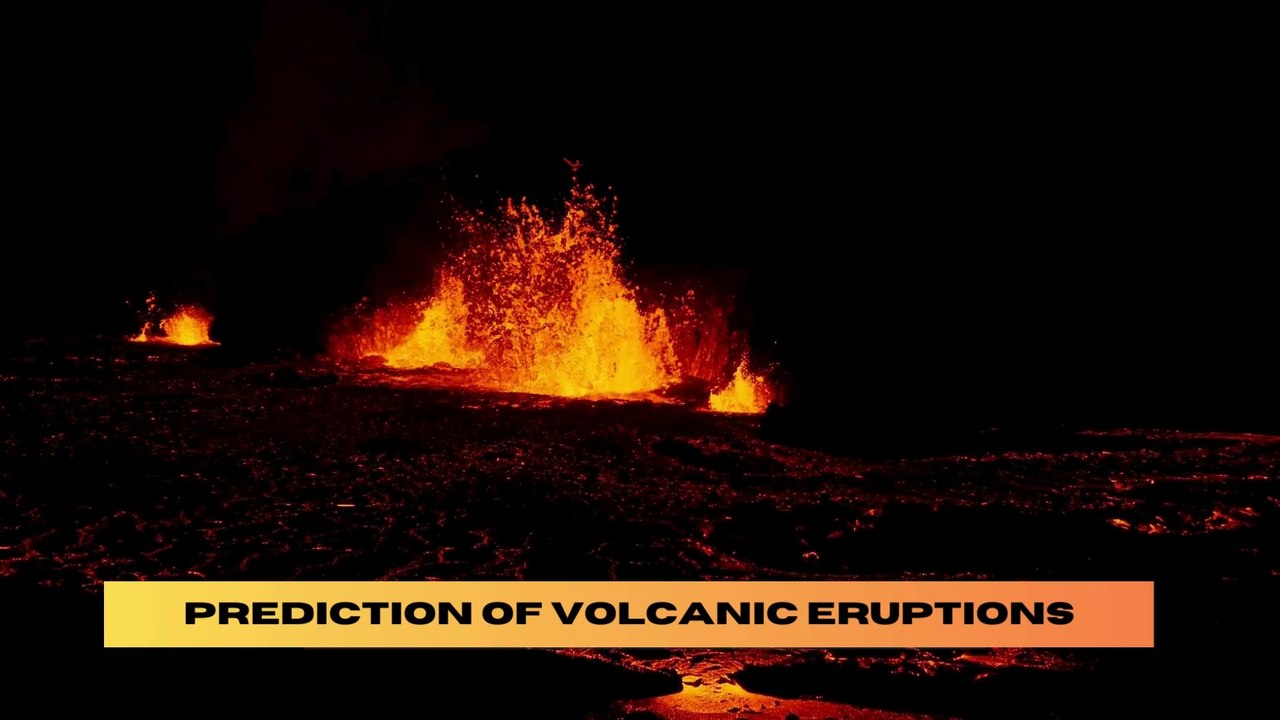
Prediction of Volcanic Eruptions<br />Gas discharges from volcanoes mainly consist of water vapor, carbon dioxide, and sulfur dioxide. Released gas emissions are among the few chemical signals that provide evidence of the processes occurring in magmatic systems that are located deep below the surface and are thus otherwise inaccessible. For some time already, researchers have assumed that the analysis of such volatile emissions could play a central role in improving the prediction of volcanic eruptions. A particularly promising parameter when it comes to the surveillance of changes to volcanic activity is the ratio of concentration of carbon dioxide to sulfur dioxide in the released gases. In fact, alterations to this ratio have been observed immediately prior to eruptions of several volcanoes, among which was Etna. Unfortunately, the practical side of compiling a continuous time series of gas compositions represents a major challenge. Direct manual sampling by means of climbing the volcano is arduous and time-consuming, not to mention the potential dangers should an eruption suddenly occur. On the other hand, stationary monitoring equipment often does not record representative data on gas compositions, mainly due to changing wind directions.
Video Information
Views
36
Duration
1:20
Published
Jun 17, 2024
Related Trending Topics
LIVE TRENDSRelated trending topics. Click any trend to explore more videos.