The Devastating 1943 Bombing of Bizerte: WWII’s Hidden Tragedy ✈️
Discover how Allied forces destroyed the Tunisian port city of Bizerte in 1943 during WWII — a shocking chapter in wartime history you need to know.

Carthage Magazine
75 views • Sep 4, 2025
About this video
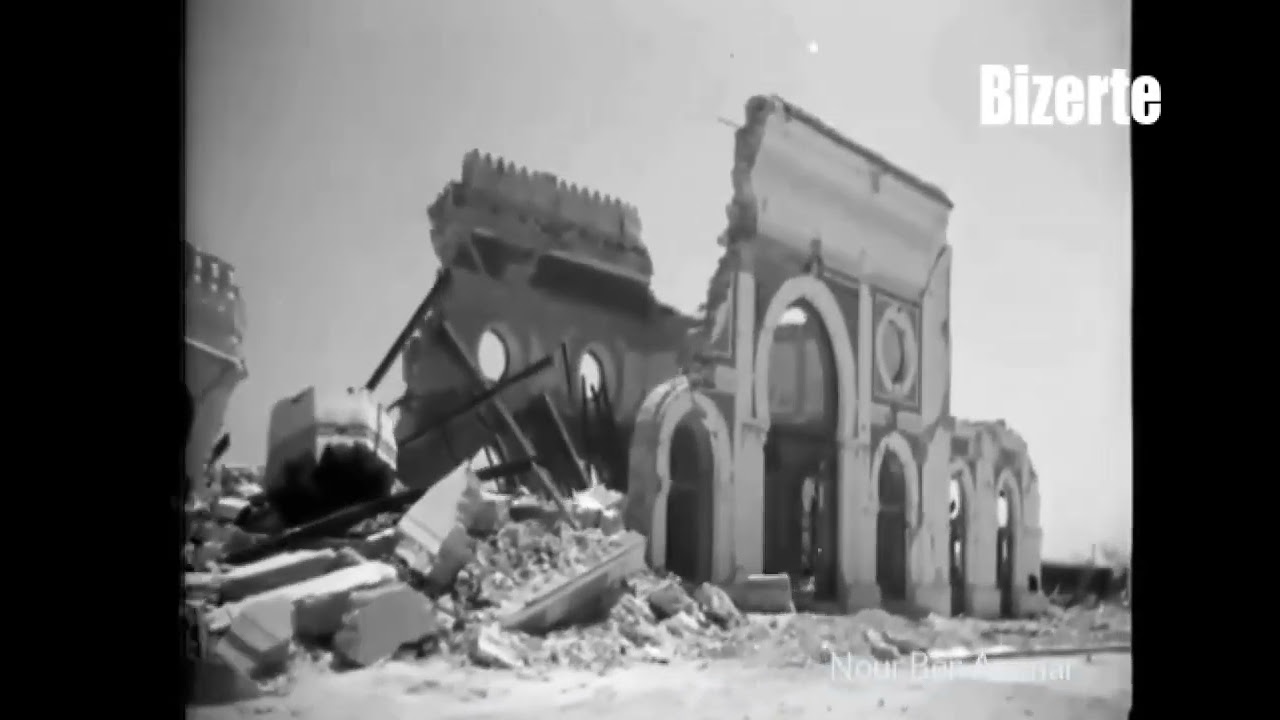
Did you know that the United States and Britain bombed Bizerte during World War II? The Allied forces launched the largest aerial bombing operation in the history of the war (up until May 1943). Bizerte was devastated by the American and British bombings, suffering more damage than many European cities. Almost a third of Bizerte was destroyed.
Among the major landmarks destroyed was the train station, which was built in the shape of a mosque with its iconic minaret, a feature seen in many postcards. Across from the minaret, there was also the minaret of the Great Mosque of Gharzouna facing the canal.
The “Quartier” area also suffered severe damage, and the Al-Rabaa Mosque was destroyed, though it was later rebuilt.
Additional Facts:
The attack began on Thursday morning, just 48 hours before the fall of the two cities.
The Allies used an unprecedented aerial force:
- 4 bombers per minute for 9 consecutive hours.
- Over 2,500 sorties in a single day, followed by more than 2,000 additional sorties.
The area around the capital and the German retreat routes were turned into a carpet of bombs.
This intense bombing crippled the German and Italian defense lines, allowing the Allied ground forces to advance quickly with minimal losses.
Among the major landmarks destroyed was the train station, which was built in the shape of a mosque with its iconic minaret, a feature seen in many postcards. Across from the minaret, there was also the minaret of the Great Mosque of Gharzouna facing the canal.
The “Quartier” area also suffered severe damage, and the Al-Rabaa Mosque was destroyed, though it was later rebuilt.
Additional Facts:
The attack began on Thursday morning, just 48 hours before the fall of the two cities.
The Allies used an unprecedented aerial force:
- 4 bombers per minute for 9 consecutive hours.
- Over 2,500 sorties in a single day, followed by more than 2,000 additional sorties.
The area around the capital and the German retreat routes were turned into a carpet of bombs.
This intense bombing crippled the German and Italian defense lines, allowing the Allied ground forces to advance quickly with minimal losses.
Video Information
Views
75
Likes
1
Duration
1:02
Published
Sep 4, 2025
Related Trending Topics
LIVE TRENDSRelated trending topics. Click any trend to explore more videos.