German POWs in the USSR
German POWs in the USSR during and after World War II endured severe hardships. Captured in vast numbers, particularly after the Battle of Stalingrad and sub...

History Hustle
23.5K views • Jan 30, 2025
About this video
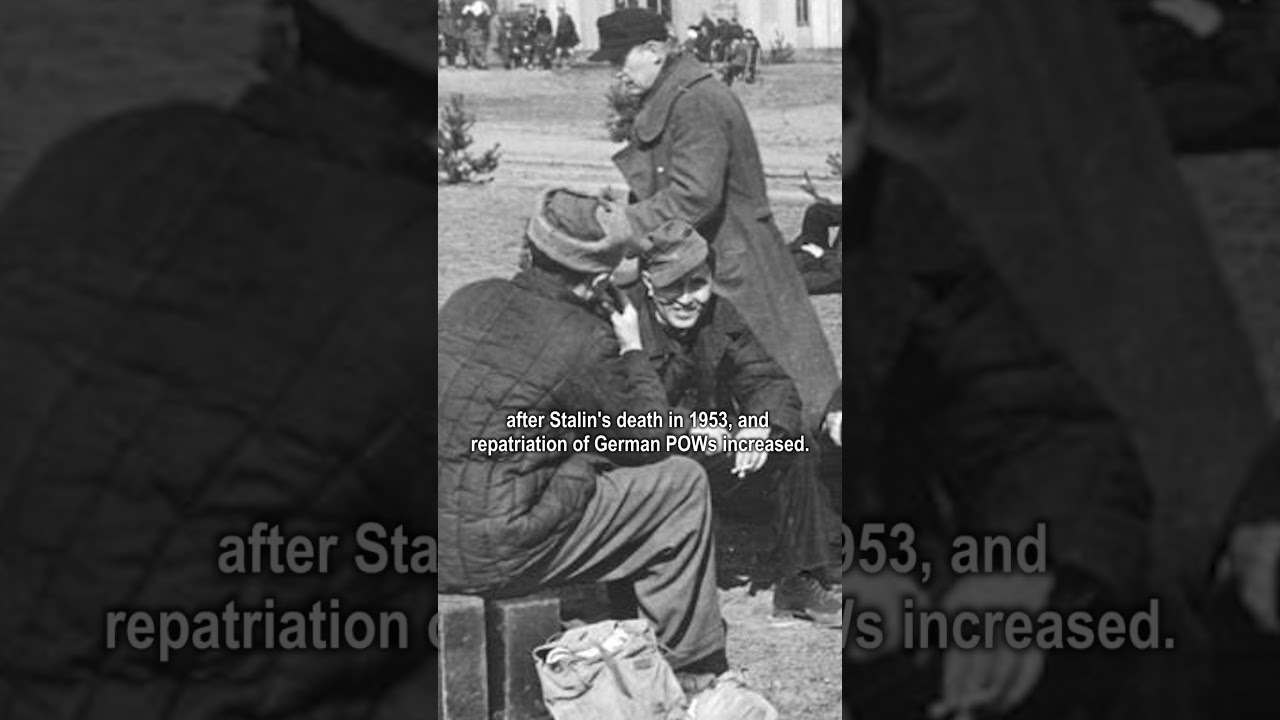
German POWs in the USSR during and after World War II endured severe hardships. Captured in vast numbers, particularly after the Battle of Stalingrad and subsequent Soviet offensives, these prisoners faced brutal conditions in Soviet labor camps. They were subjected to hard labor in industries such as mining, construction, and logging, often in harsh climates with inadequate shelter, food, and medical care.
Mortality rates were high due to malnutrition, disease, and overwork. The Soviet Union used these POWs as a critical labor force to aid in post-war reconstruction. Conditions gradually improved after Stalin's death in 1953, and repatriation of German POWs increased.
The last German POWs were released in 1956, over a decade after the war ended. The experience left deep scars and was a somber chapter in the broader narrative of World War II's aftermath, highlighting the prolonged suffering of war prisoners long after the conflict had ceased.
Mortality rates were high due to malnutrition, disease, and overwork. The Soviet Union used these POWs as a critical labor force to aid in post-war reconstruction. Conditions gradually improved after Stalin's death in 1953, and repatriation of German POWs increased.
The last German POWs were released in 1956, over a decade after the war ended. The experience left deep scars and was a somber chapter in the broader narrative of World War II's aftermath, highlighting the prolonged suffering of war prisoners long after the conflict had ceased.
Tags and Topics
Browse our collection to discover more content in these categories.
Video Information
Views
23.5K
Likes
1.4K
Duration
0:56
Published
Jan 30, 2025
User Reviews
4.6
(4) Related Trending Topics
LIVE TRENDSRelated trending topics. Click any trend to explore more videos.
No specific trending topics match this video yet.
Explore All Trends