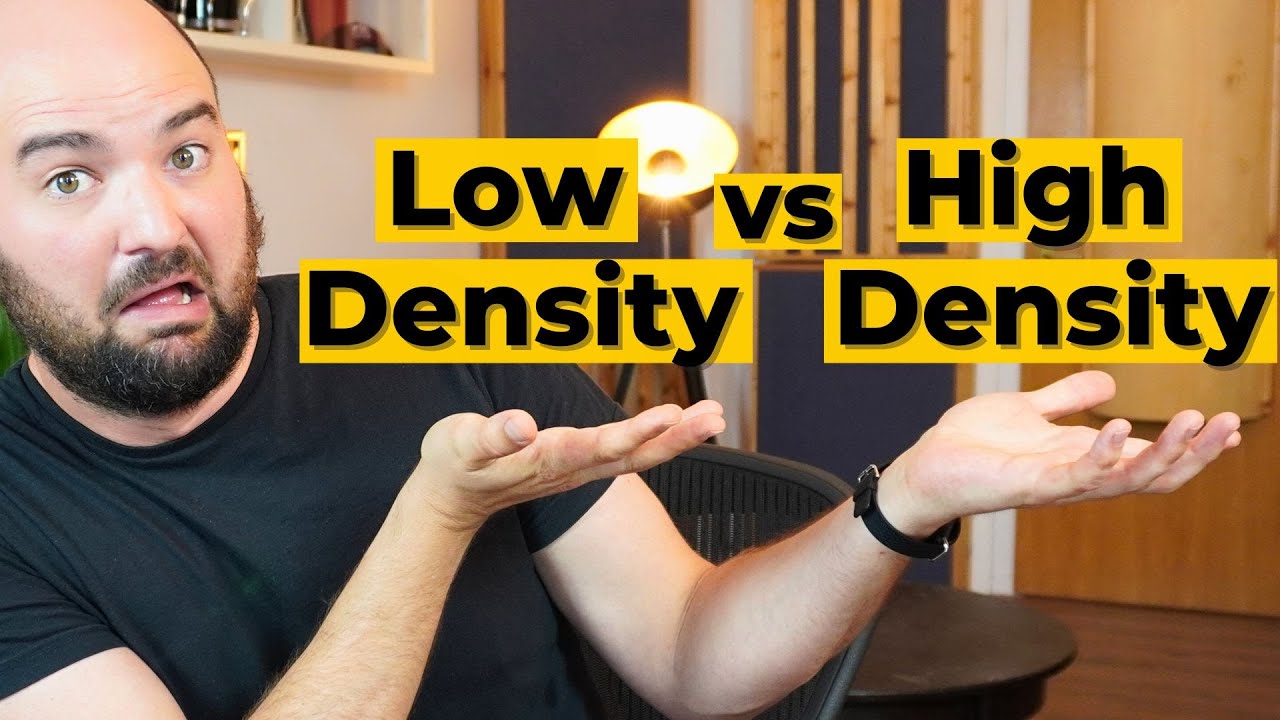
DIY Bass Traps: Low vs High Density Insulation 🛠️
Learn which bass trap type to use and where to place them with our free guide. Stop wasting money on the wrong solutions!
Acoustics Insider
25.8K views • Sep 11, 2024
About this video
►► Don't know which bass trap to get and where to put it? Get the FREE Complete Guide to Bass Traps → https://www.acousticsinsider.com/bass-trap-guide/
Learn how to build your own professional-looking broadband bass trap that works down to 40Hz and a diffusor front that keeps your high-end lively:
→ https://www.acousticsinsider.com/bbt
Let’s be real—building your own bass traps sounds easy… until you start digging into insulation materials.
High-density? Low-density? 6,000 Pascals?
Before you know it, you’re knee-deep in forum posts with your brain ready to explode.
It often feels like everyone’s got an opinion, but none of them agree.
Believe me, I’ve seen it all.
Some folks swear by high-density insulation for bass traps.
Others say low-density is the only way to go.
So who’s right?
You want your traps to work, not just look good in the corner.
You don’t have time to waste on materials that won’t give you that clean, controlled low end.
And the wrong choice can cost you—Not just in money, but in weeks of frustration when your mixes STILL don’t translate.
So what’s the answer?
Here’s the good news: it’s actually simpler than most people make it.
In my latest video, I break down exactly what works and what doesn’t when it comes to insulation materials for DIY bass traps.
Related blog post on Acoustics Insider:
https://www.acousticsinsider.com/blog/bass-traps-low-vs-high-density-insulation-for-deep-absorbers
Resources in this video:
Multi-layer Absorber Calculator (http://www.acousticmodelling.com/multi.php)
Acoustics Insider on Social Media:
https://www.youtube.com/AcousticsInsider
Learn how to build your own professional-looking broadband bass trap that works down to 40Hz and a diffusor front that keeps your high-end lively:
→ https://www.acousticsinsider.com/bbt
Let’s be real—building your own bass traps sounds easy… until you start digging into insulation materials.
High-density? Low-density? 6,000 Pascals?
Before you know it, you’re knee-deep in forum posts with your brain ready to explode.
It often feels like everyone’s got an opinion, but none of them agree.
Believe me, I’ve seen it all.
Some folks swear by high-density insulation for bass traps.
Others say low-density is the only way to go.
So who’s right?
You want your traps to work, not just look good in the corner.
You don’t have time to waste on materials that won’t give you that clean, controlled low end.
And the wrong choice can cost you—Not just in money, but in weeks of frustration when your mixes STILL don’t translate.
So what’s the answer?
Here’s the good news: it’s actually simpler than most people make it.
In my latest video, I break down exactly what works and what doesn’t when it comes to insulation materials for DIY bass traps.
Related blog post on Acoustics Insider:
https://www.acousticsinsider.com/blog/bass-traps-low-vs-high-density-insulation-for-deep-absorbers
Resources in this video:
Multi-layer Absorber Calculator (http://www.acousticmodelling.com/multi.php)
Acoustics Insider on Social Media:
https://www.youtube.com/AcousticsInsider
Tags and Topics
Browse our collection to discover more content in these categories.
Video Information
Views
25.8K
Likes
708
Duration
10:40
Published
Sep 11, 2024
User Reviews
4.6
(5) Related Trending Topics
LIVE TRENDSRelated trending topics. Click any trend to explore more videos.
No specific trending topics match this video yet.
Explore All Trends