Denis Noble: "Neo-Darwinism Is Dead" | We Need A Biology Beyond Genes
Professor of Biology Denis Noble, best known for creating the first mathematical model of a beating cardiac cell, proposes a profound shift in how we underst...

Essentia Foundation
333.1K views • Nov 28, 2025
About this video
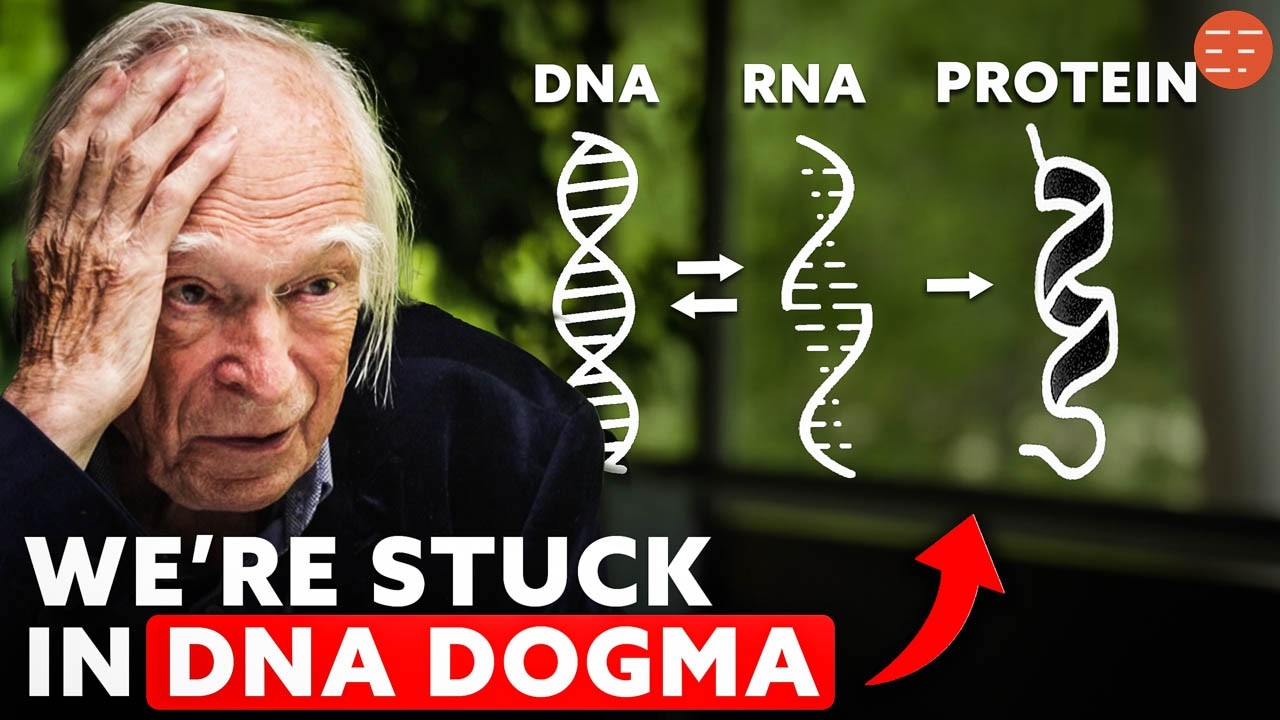
Professor of Biology Denis Noble, best known for creating the first mathematical model of a beating cardiac cell, proposes a profound shift in how we understand life. In this conversation with Hans Busstra, he challenges the long-standing central dogma of Neo-Darwinism: the notion of one-way causation from DNA to cell to organism, with genes positioned as the ultimate governors of biology. Instead, Noble proposes a theory of 'biological relativity': no single level—genes, cells, organs, or the whole organism—has privileged causal authority. Causation flows both upward and downward.
Physiological states influence cellular processes, which in turn can reshape the genome. Agency is distributed across levels of biological organisation, and the genome is not a dictatorial blueprint but an interactive participant. Far from rejecting Darwin, Noble sees this as returning to Darwin’s own intuition that evolution requires mechanisms far richer than blind chance. Understanding those mechanisms, he argues, is the next Einsteinian step in biology.
Books by Denis Noble:
The Music of Life: Biology Beyond Genes - https://shorturl.at/fTX4y
Dance to the Tune of Life: Biological Relativity - https://shorturl.at/kfULX
The Logic of Life: The Challenge of Integrative Physiology - https://shorturl.at/ZcReV
The Initiation of the Heartbeat -https://shorturl.at/csWvr
The Language of Symmetry - https://www.routledge.com/The-Language-of-Symmetry/Rattigan-Noble-Hatta/p/book/9781032303949
Topics discussed in the interview:
0:00 Intro
4:43 What causes our very first heartbeat?
6:36 Noble’s 1958 research on the first heart model
8:40 On self-excitation in cells (and what “self” means)
9:24 The central dogma in biology
11:17 Schrödinger’s view of life as a crystal
13:43 To what degree DNA replicates like a crystal
15:16 The amazing error correction in our genome
16:59 How enzymes know when they encounter an error
19:19 “Genes look like a code of life…”
22:05 The merits and limitations of the Human Genome Project
23:39 Can we really say “the cell wants” something?
24:51 Understanding the scales and extraordinary mechanisms in a cell
27:18 What we do and don't understand
29:16 On Michael Levin’s work
31:23 On cancer
35:41 Neo-Darwinism vs true Darwinism
38:19 Something must have sped evolution up
41:22 The cell controls the genome
44:19 On the metaphysics of chemistry leading to life
46:42 Biological relativity
51:08 The universe as a self-excited circuit
52:18 On Richard Dawkins
54:27 On the difference between causation and association
56:48 The limitations on the predictive power of genomics
58:46 The false hopes around the Human Genome Project
1:00:20 The central dogma in biology has the wrong metaphysics
1:07:03 Noble on Spinoza
1:11:08 How dualistic thinking still limits us
1:13:40 On the nature of the self
1:17:06 How life lives on the boundary between order and chaos
1:18:32 How errors become solutions
1:19:51 A love story between a human and an AI
1:23:58 On quantum biology
1:26:27 On the importance of humility in science
1:28:16 How we crave meaning (and reductionist science has deprived us of it)
1:29:07 Denis Noble singing troubadour poetry
1:30:27 Science must lay down its weapons
1:32:18 What dancing to the tune of life means on a personal level
Archival footage under fair use policy: https://www.youtube.com/watch?v=slRyGLmt3qc&t=28s
The Essentia Foundation thanks the Lorentz Centre in Leiden for their accommodation of this interview: https://www.lorentzcenter.nl/
Copyright © 2025 Essentia Foundation. All rights on interview content reserved.
Physiological states influence cellular processes, which in turn can reshape the genome. Agency is distributed across levels of biological organisation, and the genome is not a dictatorial blueprint but an interactive participant. Far from rejecting Darwin, Noble sees this as returning to Darwin’s own intuition that evolution requires mechanisms far richer than blind chance. Understanding those mechanisms, he argues, is the next Einsteinian step in biology.
Books by Denis Noble:
The Music of Life: Biology Beyond Genes - https://shorturl.at/fTX4y
Dance to the Tune of Life: Biological Relativity - https://shorturl.at/kfULX
The Logic of Life: The Challenge of Integrative Physiology - https://shorturl.at/ZcReV
The Initiation of the Heartbeat -https://shorturl.at/csWvr
The Language of Symmetry - https://www.routledge.com/The-Language-of-Symmetry/Rattigan-Noble-Hatta/p/book/9781032303949
Topics discussed in the interview:
0:00 Intro
4:43 What causes our very first heartbeat?
6:36 Noble’s 1958 research on the first heart model
8:40 On self-excitation in cells (and what “self” means)
9:24 The central dogma in biology
11:17 Schrödinger’s view of life as a crystal
13:43 To what degree DNA replicates like a crystal
15:16 The amazing error correction in our genome
16:59 How enzymes know when they encounter an error
19:19 “Genes look like a code of life…”
22:05 The merits and limitations of the Human Genome Project
23:39 Can we really say “the cell wants” something?
24:51 Understanding the scales and extraordinary mechanisms in a cell
27:18 What we do and don't understand
29:16 On Michael Levin’s work
31:23 On cancer
35:41 Neo-Darwinism vs true Darwinism
38:19 Something must have sped evolution up
41:22 The cell controls the genome
44:19 On the metaphysics of chemistry leading to life
46:42 Biological relativity
51:08 The universe as a self-excited circuit
52:18 On Richard Dawkins
54:27 On the difference between causation and association
56:48 The limitations on the predictive power of genomics
58:46 The false hopes around the Human Genome Project
1:00:20 The central dogma in biology has the wrong metaphysics
1:07:03 Noble on Spinoza
1:11:08 How dualistic thinking still limits us
1:13:40 On the nature of the self
1:17:06 How life lives on the boundary between order and chaos
1:18:32 How errors become solutions
1:19:51 A love story between a human and an AI
1:23:58 On quantum biology
1:26:27 On the importance of humility in science
1:28:16 How we crave meaning (and reductionist science has deprived us of it)
1:29:07 Denis Noble singing troubadour poetry
1:30:27 Science must lay down its weapons
1:32:18 What dancing to the tune of life means on a personal level
Archival footage under fair use policy: https://www.youtube.com/watch?v=slRyGLmt3qc&t=28s
The Essentia Foundation thanks the Lorentz Centre in Leiden for their accommodation of this interview: https://www.lorentzcenter.nl/
Copyright © 2025 Essentia Foundation. All rights on interview content reserved.
Video Information
Views
333.1K
Likes
12.6K
Duration
01:36:59
Published
Nov 28, 2025
User Reviews
4.8
(66) Related Trending Topics
LIVE TRENDSRelated trending topics. Click any trend to explore more videos.
No specific trending topics match this video yet.
Explore All Trends