Cryptography & Social Networks: How Terrorists Use Online Tools for Communication and Identity
Explore how terrorists leverage cryptography and social media to secure their communications and establish their identities, highlighting the challenges for security agencies today.

Sicherheitsforschung
393 views • Apr 5, 2016
About this video
Cryptography, social networks - today the use of online tools also serves to
protect the communications of terrorists and to affirm their membership
in terrorist organisations. The Internet is the method of choice for communication: the number of sites calling for a "jihad" rose from 28 in 1997 to over 5,000 in 2005. The basic use of these sites for the purpose of basic classical communication began in the 2000s. It was replaced by that of social networks, allowing almost instant mass communication.
Studies of the Middle East Media Research Institute (MEMRI) show that Al-Qaeda uses encryption tools for a long time: "Since 2007, Al Qaeda's use of encryption technology has been based on the platform Mujahideen
Secrets, which has incorporated the support for mobile, instant
messaging, and Macs." Encrypting communications was only done for emails and within the "Mujahideen Secrets" platform itself.
However the year 2013 was a turning point in the spread of encryption: instant messaging in February with Pidgin, SMS in September with Twofish encryption, AES encrypted texts on web sites in December. Edward Snowden's revelations, which began in June 2013, are not the starting point of the "cryptodjihad" but seem to have acted as an accelerator.
MEMRI's researchers demonstrated the use of public cryptographic tools stemming from the family of Free Software: Pidgin instant messaging tool similar to MSN allows the terrorist movement Asrar al Dardashan to encrypt their communications with OTR (for off the record).
By analyzing the adoption of new tools and the use of Free Software, we
see that the focus is on cryptography for mobile tools.
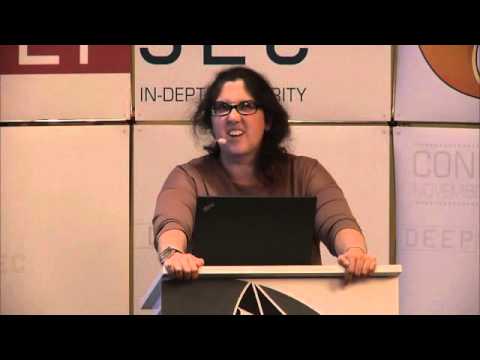
As a cybersecurity consultant, Julie has spent three years in the Arab world (Egypt, Syria, Sudan, Lyban, Tunisia ...). For several years she's been studying the jihadist movement and the rise of anonymization and encryption techniques in the Middle East. Author of a book about the revolutions in several of these countries "There were once revolutions" (Ed. The Seagull, 2012), she now works in particular studying international conflicts on the Internet.
protect the communications of terrorists and to affirm their membership
in terrorist organisations. The Internet is the method of choice for communication: the number of sites calling for a "jihad" rose from 28 in 1997 to over 5,000 in 2005. The basic use of these sites for the purpose of basic classical communication began in the 2000s. It was replaced by that of social networks, allowing almost instant mass communication.
Studies of the Middle East Media Research Institute (MEMRI) show that Al-Qaeda uses encryption tools for a long time: "Since 2007, Al Qaeda's use of encryption technology has been based on the platform Mujahideen
Secrets, which has incorporated the support for mobile, instant
messaging, and Macs." Encrypting communications was only done for emails and within the "Mujahideen Secrets" platform itself.
However the year 2013 was a turning point in the spread of encryption: instant messaging in February with Pidgin, SMS in September with Twofish encryption, AES encrypted texts on web sites in December. Edward Snowden's revelations, which began in June 2013, are not the starting point of the "cryptodjihad" but seem to have acted as an accelerator.
MEMRI's researchers demonstrated the use of public cryptographic tools stemming from the family of Free Software: Pidgin instant messaging tool similar to MSN allows the terrorist movement Asrar al Dardashan to encrypt their communications with OTR (for off the record).
By analyzing the adoption of new tools and the use of Free Software, we
see that the focus is on cryptography for mobile tools.
As a cybersecurity consultant, Julie has spent three years in the Arab world (Egypt, Syria, Sudan, Lyban, Tunisia ...). For several years she's been studying the jihadist movement and the rise of anonymization and encryption techniques in the Middle East. Author of a book about the revolutions in several of these countries "There were once revolutions" (Ed. The Seagull, 2012), she now works in particular studying international conflicts on the Internet.
Tags and Topics
Browse our collection to discover more content in these categories.
Video Information
Views
393
Likes
2
Duration
34:49
Published
Apr 5, 2016
Related Trending Topics
LIVE TRENDSRelated trending topics. Click any trend to explore more videos.
Trending Now