Cryptanalysis 101: Unlocking Secrets Without the Key 🔓
Discover the fundamental concepts and techniques of cryptanalysis, the art of decoding encrypted messages without prior knowledge of the key or algorithm. Perfect for cybersecurity enthusiasts and aspiring hackers!

AI.Hacker
21 views • Apr 5, 2023
About this video
#cryptanalysis #ai.hacker
Cryptanalysis is the process of analyzing and decryption of encrypted messages without knowing the key or the algorithm used to encrypt the message. The goal of cryptanalysis is to find weaknesses in cryptographic systems that can be exploited to reveal the underlying information.
Here's a simple example of cryptanalysis:
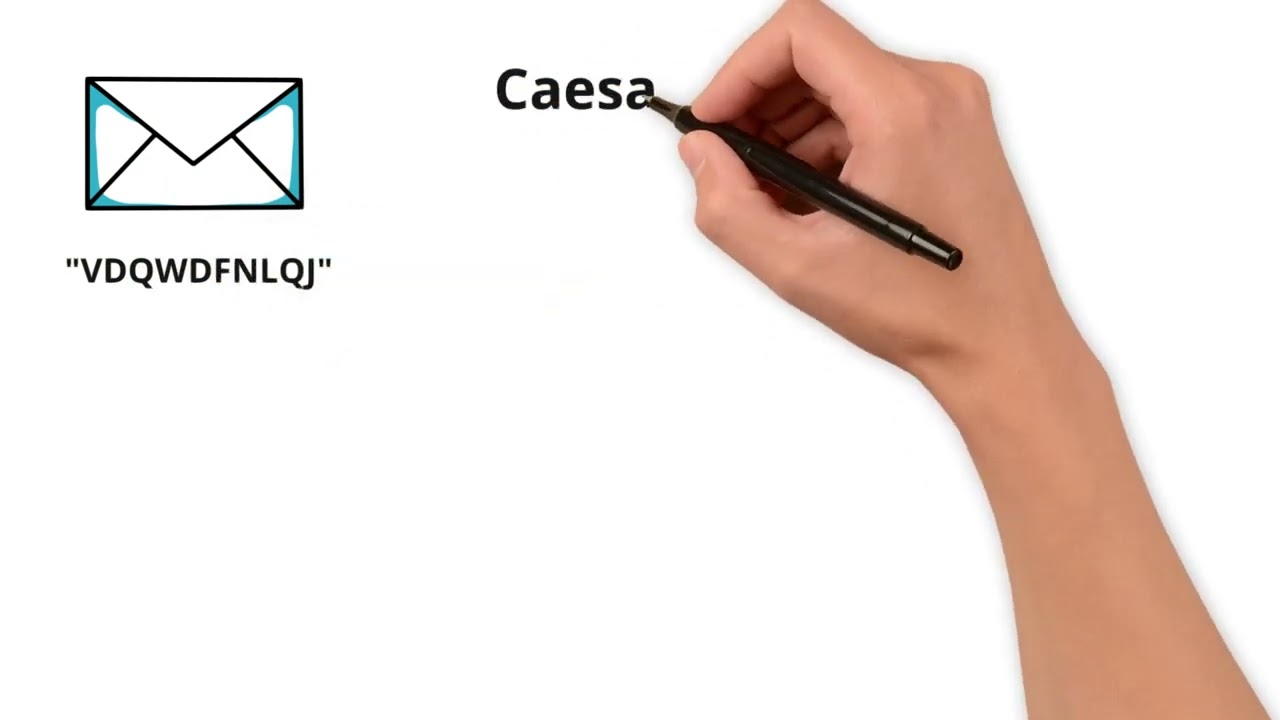
Suppose you receive an encrypted message that looks like this:
"VDQWDFNLQJ"
You know that the message is encrypted using a Caesar cipher, which is a type of substitution cipher where each letter in the plaintext is shifted a fixed number of positions down the alphabet. For example, a Caesar cipher with a shift of 3 would encode the letter "A" as "D", "B" as "E", "C" as "F", and so on.
To crack the cipher and reveal the plaintext message, you could use cryptanalysis techniques such as frequency analysis. This involves analyzing the frequency distribution of letters in the ciphertext to identify patterns that can be used to infer the key.
In this example, you might notice that the letter "L" appears most frequently in the ciphertext. This suggests that it might correspond to the letter "E" in the plaintext, since "E" is the most common letter in the English language. By applying this reasoning to the other letters in the ciphertext, you can gradually deduce the key and reveal the plaintext message:
V D Q W D F N L Q J
E H T Z H K Q O V M
Therefore, the plaintext message is "ETHICAL HACKING".
Cryptanalysis is the process of analyzing and decryption of encrypted messages without knowing the key or the algorithm used to encrypt the message. The goal of cryptanalysis is to find weaknesses in cryptographic systems that can be exploited to reveal the underlying information.
Here's a simple example of cryptanalysis:
Suppose you receive an encrypted message that looks like this:
"VDQWDFNLQJ"
You know that the message is encrypted using a Caesar cipher, which is a type of substitution cipher where each letter in the plaintext is shifted a fixed number of positions down the alphabet. For example, a Caesar cipher with a shift of 3 would encode the letter "A" as "D", "B" as "E", "C" as "F", and so on.
To crack the cipher and reveal the plaintext message, you could use cryptanalysis techniques such as frequency analysis. This involves analyzing the frequency distribution of letters in the ciphertext to identify patterns that can be used to infer the key.
In this example, you might notice that the letter "L" appears most frequently in the ciphertext. This suggests that it might correspond to the letter "E" in the plaintext, since "E" is the most common letter in the English language. By applying this reasoning to the other letters in the ciphertext, you can gradually deduce the key and reveal the plaintext message:
V D Q W D F N L Q J
E H T Z H K Q O V M
Therefore, the plaintext message is "ETHICAL HACKING".
Tags and Topics
Browse our collection to discover more content in these categories.
Video Information
Views
21
Likes
2
Duration
2:16
Published
Apr 5, 2023
Related Trending Topics
LIVE TRENDSRelated trending topics. Click any trend to explore more videos.
No specific trending topics match this video yet.
Explore All Trends