Ultimate Guide to Continuous Catheters & Pain Pumps: Expert Insights & Best Practices 🩺
Join our expert panel to explore the latest in continuous catheter and pain pump technology. Learn best practices, tips, and innovations to enhance patient care.

PAJUNK® Global
12 views • Jun 6, 2025
About this video
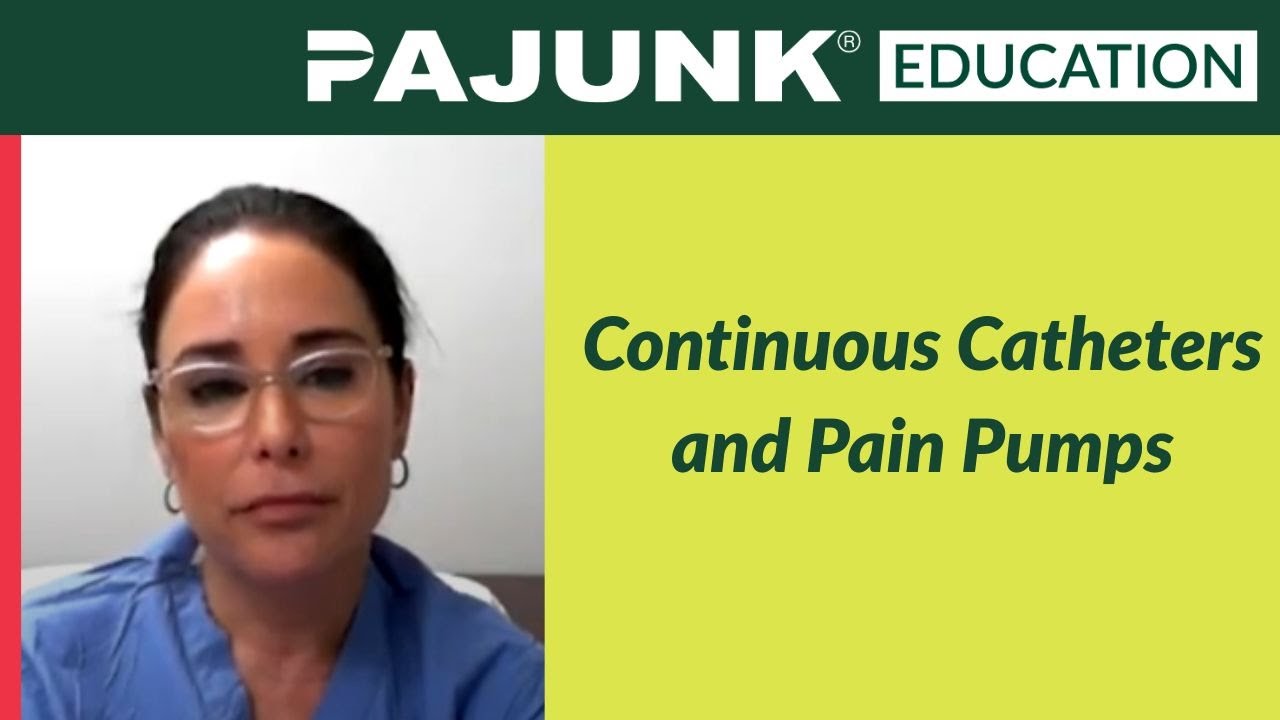
This webinar discusses continuous catheters and pain pump technology with a panel of experts including:
• Dr. Jeffrey Gadsden from Duke University Medical Center, who is the moderator
• Dr. Leslie Thomas, Director of Anesthesia at the Orthopedic and Sports Medicine Hospital in New Orleans, Louisiana
• Dr. Jerry Jones, Anesthesiologist of East Memphis Anesthesia Services
Webinar originally recorded on March 10, 2022.
Key points:
• High-impact cases for long-duration blocks: Total knees, rotator cuff repairs, and hip fractures are mentioned as cases where extended nerve blocks are beneficial [04:16]. Continuous catheters can help manage pain, reduce opioid use, and improve patient outcomes in these scenarios [04:54].
• Catheter design: The two main designs are catheter-through-needle and catheter-over-needle [10:24]. Dr. Jones demonstrates tips and tricks for placing both types of catheters [10:55].
• Catheter placement: Considerations include the relationship with surgeons, tourniquet placement, and avoiding nerve damage [18:21]. The panel discusses the advantages and disadvantages of single end-hole versus multiple side-hole catheters [19:01].
• Pain pumps: Electronic pumps with programmed intermittent bolus (PIB) and patient-controlled demand dosing are highlighted for their effectiveness in pain management [31:26]. These pumps offer predictable drug delivery, reduce opioid consumption, and improve patient satisfaction [32:51].
• Practical considerations: The panel discusses adjusting local anesthetic dosage based on patient height [23:01], managing catheter leakage [22:50], and addressing potential issues like alarms and occlusions [46:17].
• Future directions: The panel envisions features like smartphone-controlled pumps and real-time patient data monitoring to further improve pain management [52:25].
• Tips and Tricks: The panel also shares tips and tricks for successful catheter and pump use, emphasizing the importance of education, organization, and a gradual implementation approach [58:38].
Want to learn more?
Subscribe to our Channel: https://www.youtube.com/@pajunk_global
Visit our Website: https://pajunk.com
Subscribe to our Newsletter: https://pajunk.com/company/newsletter
#PAJUNK #Anesthesia #RegionalAnesthesia #PainManagement #nerveblocks
Disclaimer: This video features qualified healthcare professionals and PAJUNK representatives. The views expressed are based on clinical experience and do not necessarily reflect the official position of PAJUNK. The content is for educational purposes only and is not a substitute for clinical judgment, formal training, or official product instructions.
Not all products are registered and approved for sale in all countries or regions. Indications of use may also vary by country and region. Please contact your country representative for product availability and information. Product images are for reference only.
Always refer to the Instructions for Use (IFU) and consult applicable clinical guidelines.
• Dr. Jeffrey Gadsden from Duke University Medical Center, who is the moderator
• Dr. Leslie Thomas, Director of Anesthesia at the Orthopedic and Sports Medicine Hospital in New Orleans, Louisiana
• Dr. Jerry Jones, Anesthesiologist of East Memphis Anesthesia Services
Webinar originally recorded on March 10, 2022.
Key points:
• High-impact cases for long-duration blocks: Total knees, rotator cuff repairs, and hip fractures are mentioned as cases where extended nerve blocks are beneficial [04:16]. Continuous catheters can help manage pain, reduce opioid use, and improve patient outcomes in these scenarios [04:54].
• Catheter design: The two main designs are catheter-through-needle and catheter-over-needle [10:24]. Dr. Jones demonstrates tips and tricks for placing both types of catheters [10:55].
• Catheter placement: Considerations include the relationship with surgeons, tourniquet placement, and avoiding nerve damage [18:21]. The panel discusses the advantages and disadvantages of single end-hole versus multiple side-hole catheters [19:01].
• Pain pumps: Electronic pumps with programmed intermittent bolus (PIB) and patient-controlled demand dosing are highlighted for their effectiveness in pain management [31:26]. These pumps offer predictable drug delivery, reduce opioid consumption, and improve patient satisfaction [32:51].
• Practical considerations: The panel discusses adjusting local anesthetic dosage based on patient height [23:01], managing catheter leakage [22:50], and addressing potential issues like alarms and occlusions [46:17].
• Future directions: The panel envisions features like smartphone-controlled pumps and real-time patient data monitoring to further improve pain management [52:25].
• Tips and Tricks: The panel also shares tips and tricks for successful catheter and pump use, emphasizing the importance of education, organization, and a gradual implementation approach [58:38].
Want to learn more?
Subscribe to our Channel: https://www.youtube.com/@pajunk_global
Visit our Website: https://pajunk.com
Subscribe to our Newsletter: https://pajunk.com/company/newsletter
#PAJUNK #Anesthesia #RegionalAnesthesia #PainManagement #nerveblocks
Disclaimer: This video features qualified healthcare professionals and PAJUNK representatives. The views expressed are based on clinical experience and do not necessarily reflect the official position of PAJUNK. The content is for educational purposes only and is not a substitute for clinical judgment, formal training, or official product instructions.
Not all products are registered and approved for sale in all countries or regions. Indications of use may also vary by country and region. Please contact your country representative for product availability and information. Product images are for reference only.
Always refer to the Instructions for Use (IFU) and consult applicable clinical guidelines.
Tags and Topics
Browse our collection to discover more content in these categories.
Video Information
Views
12
Duration
01:00:51
Published
Jun 6, 2025
Related Trending Topics
LIVE TRENDSRelated trending topics. Click any trend to explore more videos.
No specific trending topics match this video yet.
Explore All Trends