Citizen Science: Engaging People in Research 🌍
Explore how citizens have contributed to science over centuries, from bird sightings to modern tech-driven projects.
The University of British Columbia
302 views • Oct 7, 2014
About this video
"Citizens have been informally contributing to science for hundreds of years. One of the best known modern examples is of sightings by bird watchers. The Christmas Bird Count, an annual national count in the USA, is one hundred years old and birdwatching activities date back to even earlier times in the UK and parts of Europe. This data informs scientific studies of bird migration and behavior, which in turn provide evidence of habitat loss, and changes in weather patterns.
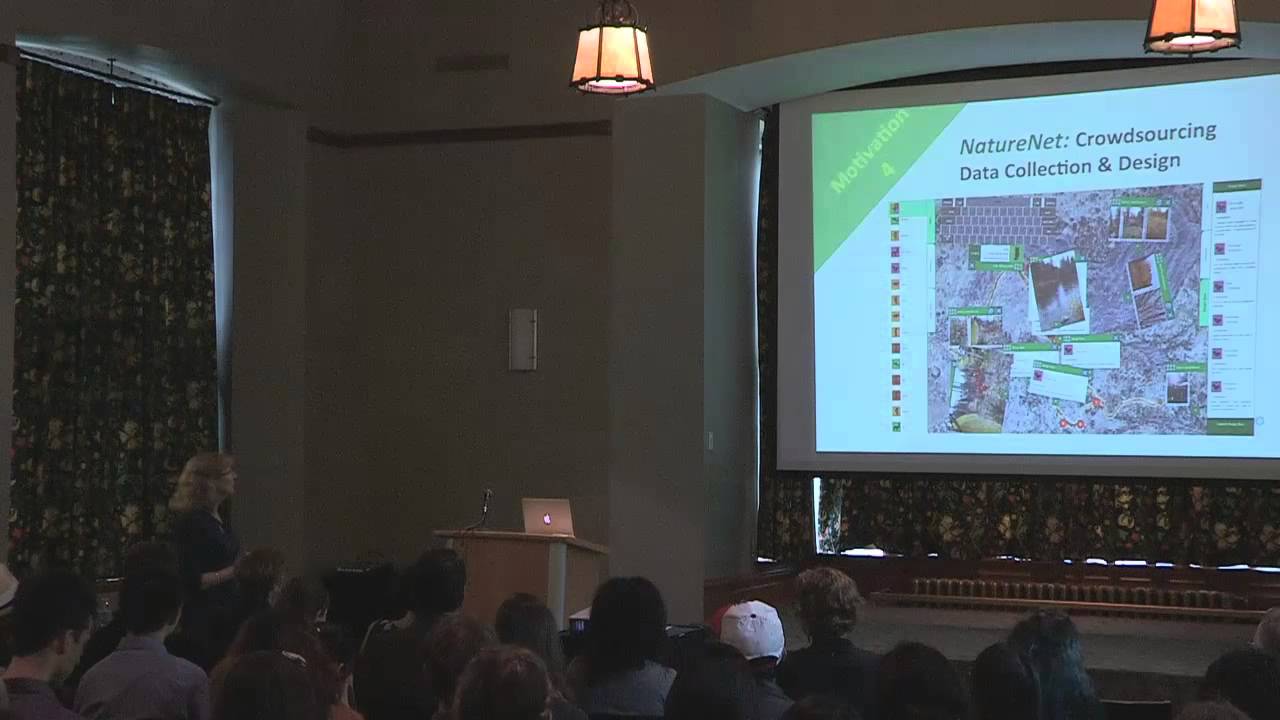
Citizens contribute to many branches of science from astronomy, to biochemistry, hydrology, biodiversity, personalized medicine, and more. Increasingly digital devices including cell phones, sensors, cameras, databases and associated techniques for storing, retrieving, and communicating data, and many types of social media have been integrated into citizen science and other volunteer practices. In this talk Professor Preece discusses a range of citizen science and volunteer projects focusing on the design of the technologies that support them and suggest some best practices for designing and motivating citizens to use these technologies.
BIO
Professor Jennifer Preece is a Professor and Dean at the University of Maryland’s iSchool She has researched usability and sociability design issues in online communities. Currently she has several research projects that focus on motivating participation in citizen science. She authored or coauthored three high-impact books: Human-Computer Interaction (1994), On-line Communities: Designing Usability, Supporting Sociability (2000), Interaction Design: Beyond Human-Computer Interaction (2002, 2007, 2011, 2015)."
Citizens contribute to many branches of science from astronomy, to biochemistry, hydrology, biodiversity, personalized medicine, and more. Increasingly digital devices including cell phones, sensors, cameras, databases and associated techniques for storing, retrieving, and communicating data, and many types of social media have been integrated into citizen science and other volunteer practices. In this talk Professor Preece discusses a range of citizen science and volunteer projects focusing on the design of the technologies that support them and suggest some best practices for designing and motivating citizens to use these technologies.
BIO
Professor Jennifer Preece is a Professor and Dean at the University of Maryland’s iSchool She has researched usability and sociability design issues in online communities. Currently she has several research projects that focus on motivating participation in citizen science. She authored or coauthored three high-impact books: Human-Computer Interaction (1994), On-line Communities: Designing Usability, Supporting Sociability (2000), Interaction Design: Beyond Human-Computer Interaction (2002, 2007, 2011, 2015)."
Tags and Topics
Browse our collection to discover more content in these categories.
Video Information
Views
302
Duration
01:05:51
Published
Oct 7, 2014
Related Trending Topics
LIVE TRENDSRelated trending topics. Click any trend to explore more videos.