Can Language Shape Our Thinking? The Science of Arrival
Explore how language influences thought through the story of Arrival and a linguist's encounter with alien life. 🛸
Language of Mind
148.7K views • Mar 17, 2024
About this video
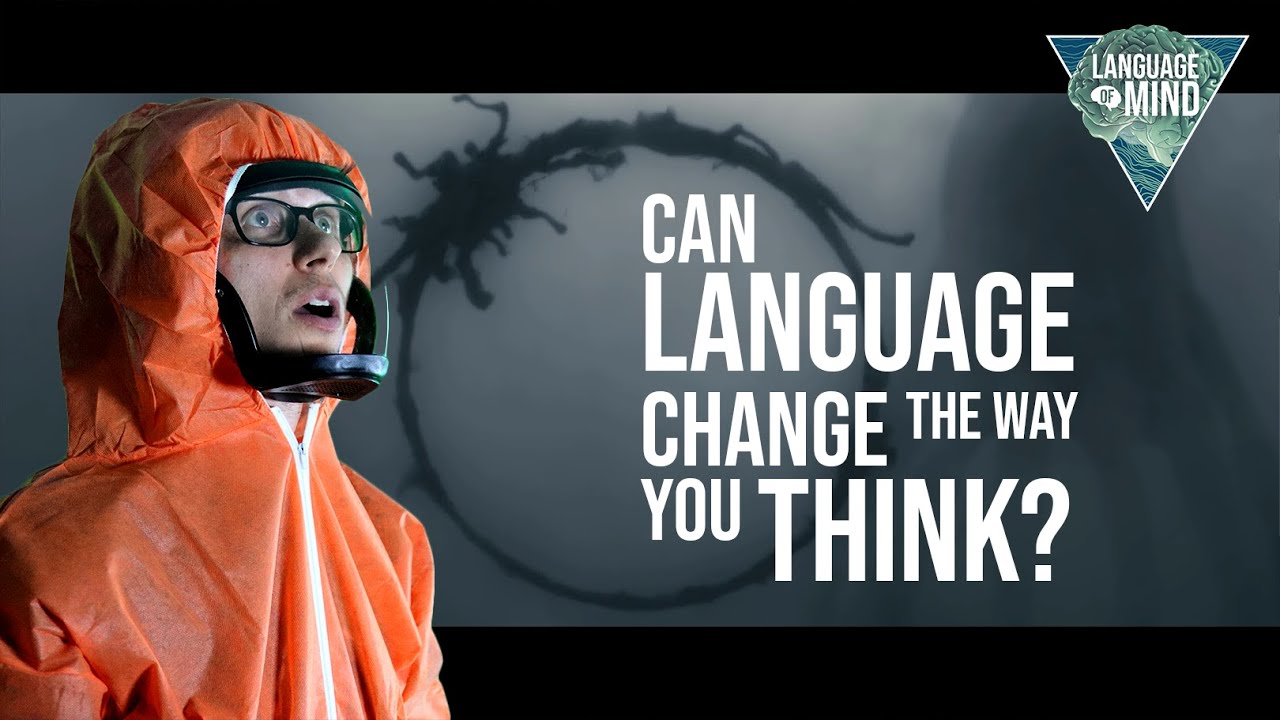
Can language change the way you think?
This is the question at the heart of Arrival—the story of a linguist meeting alien life for the first time.
As a linguist, I love this movie! It raises a ton of fascinating questions about language, culture, biology, and the mind.
Let’s talk about the (cognitive) science of Arrival!
Chapters
0:00 - First contact (skit)
0:25 - The science of Arrival
2:11 - Universal structure
5:45 - Decoding alien speech
7:14 - Visual language
9:13 - The Sapir-Whorf hypothesis
11:17 - Space and time
13:29 - The power of writing
15:21 - Mental timelines
17:46 - Language and the mind
19:43 - Parting thoughts
Links:
Alien Speak: Linguist Dr. Jessica Coon on Villeneuve’s ARRIVAL: https://scienceandfilm.org/articles/2802/alien-speak-linguist-dr-jessica-coon-on-villeneuves-arrival
Researcher Spotlight – Professor Jessica Coon: https://youtu.be/dNjUcsmEpp0?si=Y3dbpgGpfUIwAq1C
Jessica Coon (Mesoamerican freerelatives): https://youtu.be/pTNW-JUl7GE?si=hDlPGx1XGKwpKOup
The Code Behind Arrival (Wolfram): https://youtu.be/r8nTifCIr0c?si=gbftnfPy1yukzfZa
https://github.com/WolframResearch/Arrival-Movie-Live-Coding
The art of Martine Bertrand: https://www.martinebertrand-art.com/
Sources:
Andreas et al. (2022). Toward understanding the communication in sperm whales.
Beguš et al. (2023). Vowels and diphthongs in sperm whales.
Bode et al. (2016). Left–right position in moving images: An analysis of face orientation, face position, and movement direction in eight action films.
Boroditsky (2001). Does language shape thought?: Mandarin and English speakers’ conceptions of time.
Casasanto & Bottini (2014). Mirror reading can reverse the flow of time.
Coon (2020). The linguistics of Arrival: Heptapods, field linguistics, and Universal Grammar.
Guida et al. (2018). Spatialization in working memory is related to literacy and reading direction: Culture “literarily” directs our thoughts.
Pérez González (2012). Lateral organisation in nineteenth-century studio photographs is influenced by the direction of writing: A comparison of Iranian and Spanish photographs.
Pitt & Casasanto (2020). The correlations in experience principle: How culture shapes concepts of time and number.
Pitt et al. (2021). Spatial concepts of number, size, and time in an indigenous culture.
Rill (2017). The morphology and syntax of ergativity: A typological approach. (p. 32)
This is the question at the heart of Arrival—the story of a linguist meeting alien life for the first time.
As a linguist, I love this movie! It raises a ton of fascinating questions about language, culture, biology, and the mind.
Let’s talk about the (cognitive) science of Arrival!
Chapters
0:00 - First contact (skit)
0:25 - The science of Arrival
2:11 - Universal structure
5:45 - Decoding alien speech
7:14 - Visual language
9:13 - The Sapir-Whorf hypothesis
11:17 - Space and time
13:29 - The power of writing
15:21 - Mental timelines
17:46 - Language and the mind
19:43 - Parting thoughts
Links:
Alien Speak: Linguist Dr. Jessica Coon on Villeneuve’s ARRIVAL: https://scienceandfilm.org/articles/2802/alien-speak-linguist-dr-jessica-coon-on-villeneuves-arrival
Researcher Spotlight – Professor Jessica Coon: https://youtu.be/dNjUcsmEpp0?si=Y3dbpgGpfUIwAq1C
Jessica Coon (Mesoamerican freerelatives): https://youtu.be/pTNW-JUl7GE?si=hDlPGx1XGKwpKOup
The Code Behind Arrival (Wolfram): https://youtu.be/r8nTifCIr0c?si=gbftnfPy1yukzfZa
https://github.com/WolframResearch/Arrival-Movie-Live-Coding
The art of Martine Bertrand: https://www.martinebertrand-art.com/
Sources:
Andreas et al. (2022). Toward understanding the communication in sperm whales.
Beguš et al. (2023). Vowels and diphthongs in sperm whales.
Bode et al. (2016). Left–right position in moving images: An analysis of face orientation, face position, and movement direction in eight action films.
Boroditsky (2001). Does language shape thought?: Mandarin and English speakers’ conceptions of time.
Casasanto & Bottini (2014). Mirror reading can reverse the flow of time.
Coon (2020). The linguistics of Arrival: Heptapods, field linguistics, and Universal Grammar.
Guida et al. (2018). Spatialization in working memory is related to literacy and reading direction: Culture “literarily” directs our thoughts.
Pérez González (2012). Lateral organisation in nineteenth-century studio photographs is influenced by the direction of writing: A comparison of Iranian and Spanish photographs.
Pitt & Casasanto (2020). The correlations in experience principle: How culture shapes concepts of time and number.
Pitt et al. (2021). Spatial concepts of number, size, and time in an indigenous culture.
Rill (2017). The morphology and syntax of ergativity: A typological approach. (p. 32)
Tags and Topics
Browse our collection to discover more content in these categories.
Video Information
Views
148.7K
Likes
8.2K
Duration
21:16
Published
Mar 17, 2024
User Reviews
4.7
(29) Related Trending Topics
LIVE TRENDSRelated trending topics. Click any trend to explore more videos.
No specific trending topics match this video yet.
Explore All Trends