Baby Developmental Milestones, Part 1: 2 Months Old
NURSE DANI: Hey everyone, it's Nurse Dani from Intermountain Moms, and today I'm here with Dr. Strasser from Northern Utah Pediatrics here in Layton, Utah. A...

IntermountainParents
1.6K views • Oct 13, 2017
About this video
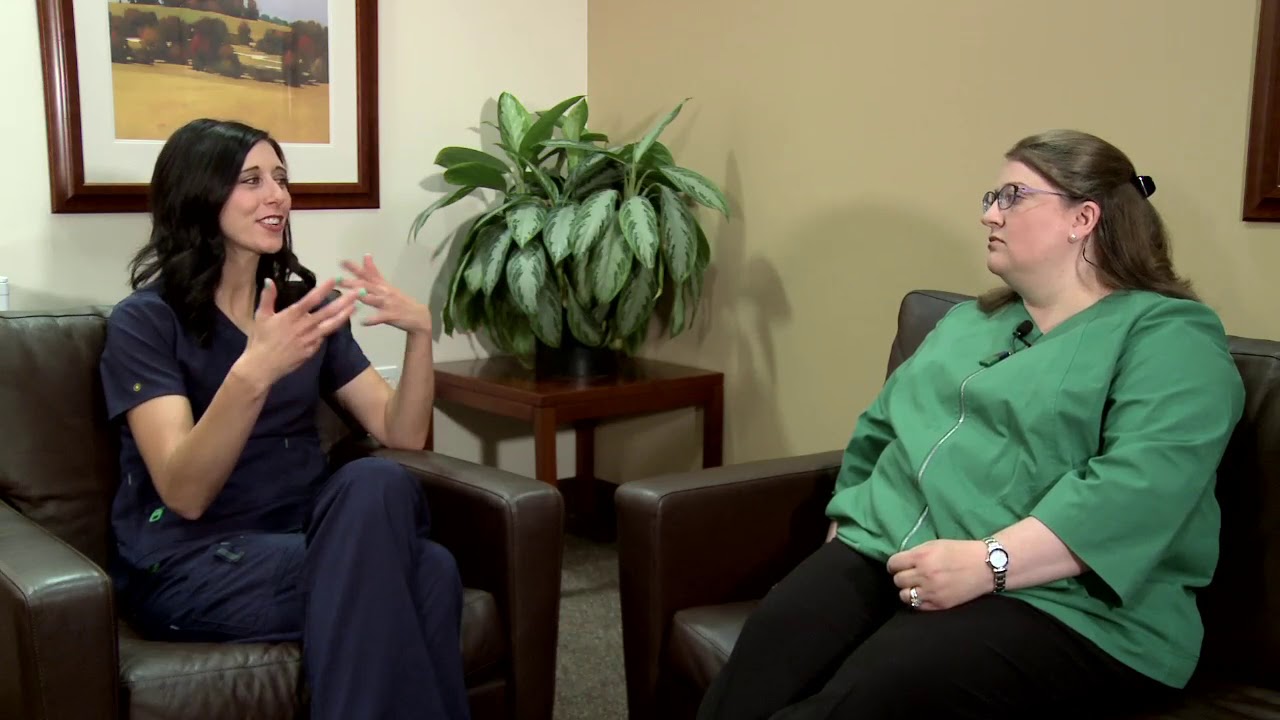
NURSE DANI: Hey everyone, it's Nurse Dani from Intermountain Moms, and today I'm here with Dr. Strasser from Northern Utah Pediatrics here in Layton, Utah. And today we're going to be discussing developmental milestones. One of the questions I get a lot on Facebook is, "My baby isn't crawling or walking yet. Should I be concerned?" So I wanted to talk with you today about when certain milestones are met and when parents should be concerned. So when a mom or a dad comes in for a well-check with their child, specifically their baby during the first year, what are some things you're looking for? Let's start with the 2 month appointment.
CATHERINE STRASSER: Sure, so at the 2 month appointment, we're really doIng several different things. We're starting to look at growth and development for your infant. Really, we're looking at 3 major measurements there. We're looking at head circumference, we're looking at height, and we're looking at weight to make sure that your baby is following a normal growth pattern, and that's a big part of what we do. As we're assessing development, we're also looking through 4 major modalities of development. We're looking at fine motor skills, gross motor skills, social and emotional skills, as well as language skills.
ND: So what age should a baby start to smile, and coo, and interact with parents?
CS: Sure, so at the 2 month visit, what we would expect is that an infant should be starting to smile and coo. It should be a reciprocal smile, meaning that you smile at your baby and your baby smiles back at you, so it shouldn't just be when they're sleeping or when they're laying passively. And then also, they should be starting to pay more attention to their mother's face and have good eye contact with their mother.
ND: Until then, it's normal for their eyes to wander, to go crossed-eyed, that kind of thing. When should that stop?
CS: Usually around 4 months at the latest. And that's mostly because we don't really get too concerned about an ocular abnormality or an eye alignment abnormality until 4 months or greater.
CATHERINE STRASSER: Sure, so at the 2 month appointment, we're really doIng several different things. We're starting to look at growth and development for your infant. Really, we're looking at 3 major measurements there. We're looking at head circumference, we're looking at height, and we're looking at weight to make sure that your baby is following a normal growth pattern, and that's a big part of what we do. As we're assessing development, we're also looking through 4 major modalities of development. We're looking at fine motor skills, gross motor skills, social and emotional skills, as well as language skills.
ND: So what age should a baby start to smile, and coo, and interact with parents?
CS: Sure, so at the 2 month visit, what we would expect is that an infant should be starting to smile and coo. It should be a reciprocal smile, meaning that you smile at your baby and your baby smiles back at you, so it shouldn't just be when they're sleeping or when they're laying passively. And then also, they should be starting to pay more attention to their mother's face and have good eye contact with their mother.
ND: Until then, it's normal for their eyes to wander, to go crossed-eyed, that kind of thing. When should that stop?
CS: Usually around 4 months at the latest. And that's mostly because we don't really get too concerned about an ocular abnormality or an eye alignment abnormality until 4 months or greater.
Video Information
Views
1.6K
Likes
22
Duration
2:14
Published
Oct 13, 2017
User Reviews
4.4
(1) Related Trending Topics
LIVE TRENDSRelated trending topics. Click any trend to explore more videos.
No specific trending topics match this video yet.
Explore All Trends