Astrobio Shorts: OSIRIS-REx's Historic Asteroid Sample Return 🚀
Discover the groundbreaking mission of NASA's OSIRIS-REx as it prepares to collect and return samples from asteroid Bennu, shedding light on the origins of life. Watch the trailer now!

NASA Astrobiology
460 views • Sep 18, 2023
About this video
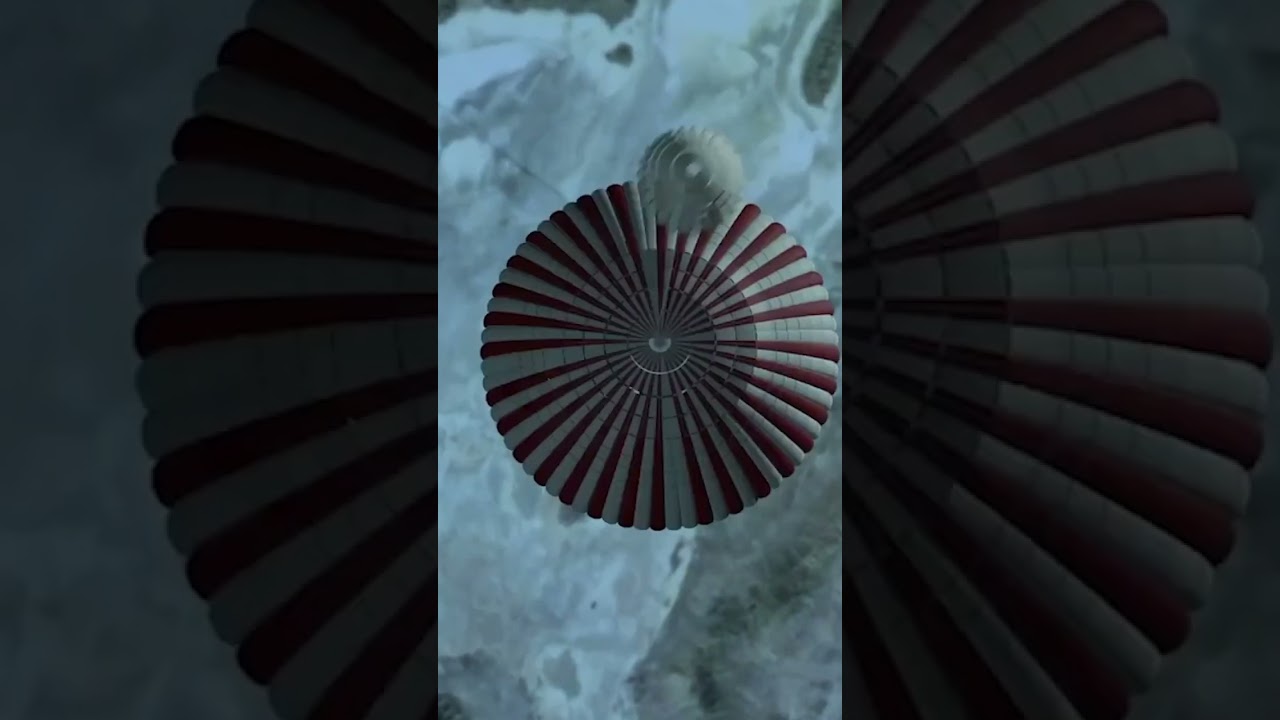
A historic moment is on the horizon for NASA’s first asteroid sample return mission, OSIRIS-REx. On Oct. 20, 2022, the spacecraft will descend to asteroid Bennu’s surface, touch down for a few seconds and collect a sample of the asteroid’s rocks and dust, which will be returned to Earth for study.
NASA astrobiologists Dr. Jason Dworkin and Dr. Scott Sandford explain the importance of the OSIRIS-REx mission in the quest to understand the role that asteroids and other small bodies play in the origins of life on Earth.
#ToBennuAndBack
asteroidmission.org
astrobiology.nasa.gov
Featuring
Dr. Jason Dworkin (NASA Goddard Space Flight Center)
Dr. Scott Sandford (NASA Ames Research Center)
Video & images are courtesy of NASA and its affiliates.
Music by Bensound.com (License certificate #1999293)
Directed & Edited by Mike Toillion
About OSIRIS-REx:
NASA’s Origins, Spectral Interpretation, Resource Identification, Security-Regolith Explorer (OSIRIS-REx) spacecraft is the first U.S. mission to return samples from an asteroid to Earth, addressing multiple NASA Solar System Exploration objectives.
OSIRIS-REx launched from Cape Canaveral on September 8, 2016. OSIRIS-REx completed its 1.2 billion-mile journey to arrive at the asteroid Bennu on December 3, 2018. On October 20th, 2020, it will make its first attempt to capture a sample of the asteroid's regolith.
Asteroids are the leftover debris from the solar system formation process that began over four billion years ago, and they can teach us a lot about the history of the Sun and planets. Bennu may contain the molecular precursors to the origin of life and the Earth’s oceans. Bennu is also a potentially hazardous asteroid that has a relatively high probability of impacting the Earth late in the 22nd century. OSIRIS-REx will determine Bennu’s physical and chemical properties, which could be critical for developing an impact mitigation mission in the future.
NASA astrobiologists Dr. Jason Dworkin and Dr. Scott Sandford explain the importance of the OSIRIS-REx mission in the quest to understand the role that asteroids and other small bodies play in the origins of life on Earth.
#ToBennuAndBack
asteroidmission.org
astrobiology.nasa.gov
Featuring
Dr. Jason Dworkin (NASA Goddard Space Flight Center)
Dr. Scott Sandford (NASA Ames Research Center)
Video & images are courtesy of NASA and its affiliates.
Music by Bensound.com (License certificate #1999293)
Directed & Edited by Mike Toillion
About OSIRIS-REx:
NASA’s Origins, Spectral Interpretation, Resource Identification, Security-Regolith Explorer (OSIRIS-REx) spacecraft is the first U.S. mission to return samples from an asteroid to Earth, addressing multiple NASA Solar System Exploration objectives.
OSIRIS-REx launched from Cape Canaveral on September 8, 2016. OSIRIS-REx completed its 1.2 billion-mile journey to arrive at the asteroid Bennu on December 3, 2018. On October 20th, 2020, it will make its first attempt to capture a sample of the asteroid's regolith.
Asteroids are the leftover debris from the solar system formation process that began over four billion years ago, and they can teach us a lot about the history of the Sun and planets. Bennu may contain the molecular precursors to the origin of life and the Earth’s oceans. Bennu is also a potentially hazardous asteroid that has a relatively high probability of impacting the Earth late in the 22nd century. OSIRIS-REx will determine Bennu’s physical and chemical properties, which could be critical for developing an impact mitigation mission in the future.
Tags and Topics
Browse our collection to discover more content in these categories.
Video Information
Views
460
Likes
25
Duration
1:01
Published
Sep 18, 2023
Related Trending Topics
LIVE TRENDSRelated trending topics. Click any trend to explore more videos.
No specific trending topics match this video yet.
Explore All Trends