AI vs Human Intelligence: Key Differences 🤖
Explore the distinctions between artificial intelligence and human intelligence, and their impact on technology and society.

Technical Lab With Kamil
133.2K views • May 8, 2023
About this video
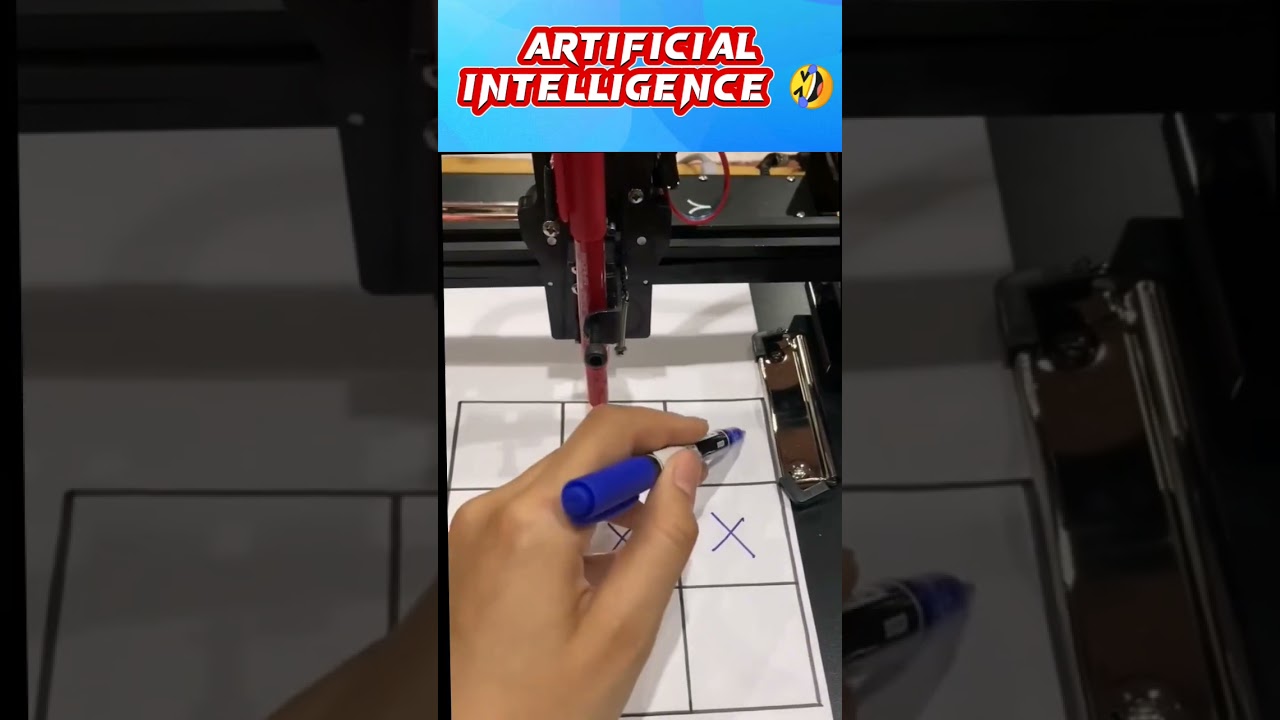
Artificial Intelligence (AI) is a branch of computer science that deals with the development of intelligent machines that can perform tasks that typically require human-level intelligence. The field of AI is concerned with creating algorithms and software that can perceive, reason, learn, and act like humans.
AI systems can be classified into three categories:
Reactive Machines - these are basic AI systems that can only react to the environment based on pre-programmed rules. They do not have the ability to learn or store any memory.
Limited Memory - these AI systems can store some data from past experiences and use that data to make future decisions.
Self-aware - these AI systems are currently still in the realm of science fiction. They are capable of self-awareness, consciousness, and can think and reason like humans.
AI technology has made significant progress in recent years, particularly in areas such as machine learning, natural language processing, and computer vision. These advances have enabled AI systems to perform complex tasks such as speech recognition, image and video analysis, and autonomous decision-making. AI has applications in various industries, including healthcare, finance, transportation, and entertainment, to name a few. However, there are also concerns about the ethical and societal implications of AI, including job displacement and bias in decision-making.
#ArtificialIntelligence is a branch of #ComputerScience focused on developing intelligent machines that can perform tasks requiring human-level intelligence. AI systems can be reactive, limited-memory, or self-aware. Recent advances in #MachineLearning #chatgpt
AI systems can be classified into three categories:
Reactive Machines - these are basic AI systems that can only react to the environment based on pre-programmed rules. They do not have the ability to learn or store any memory.
Limited Memory - these AI systems can store some data from past experiences and use that data to make future decisions.
Self-aware - these AI systems are currently still in the realm of science fiction. They are capable of self-awareness, consciousness, and can think and reason like humans.
AI technology has made significant progress in recent years, particularly in areas such as machine learning, natural language processing, and computer vision. These advances have enabled AI systems to perform complex tasks such as speech recognition, image and video analysis, and autonomous decision-making. AI has applications in various industries, including healthcare, finance, transportation, and entertainment, to name a few. However, there are also concerns about the ethical and societal implications of AI, including job displacement and bias in decision-making.
#ArtificialIntelligence is a branch of #ComputerScience focused on developing intelligent machines that can perform tasks requiring human-level intelligence. AI systems can be reactive, limited-memory, or self-aware. Recent advances in #MachineLearning #chatgpt
Tags and Topics
Browse our collection to discover more content in these categories.
Video Information
Views
133.2K
Likes
876
Duration
0:19
Published
May 8, 2023
User Reviews
4.2
(26) Related Trending Topics
LIVE TRENDSRelated trending topics. Click any trend to explore more videos.
No specific trending topics match this video yet.
Explore All Trends