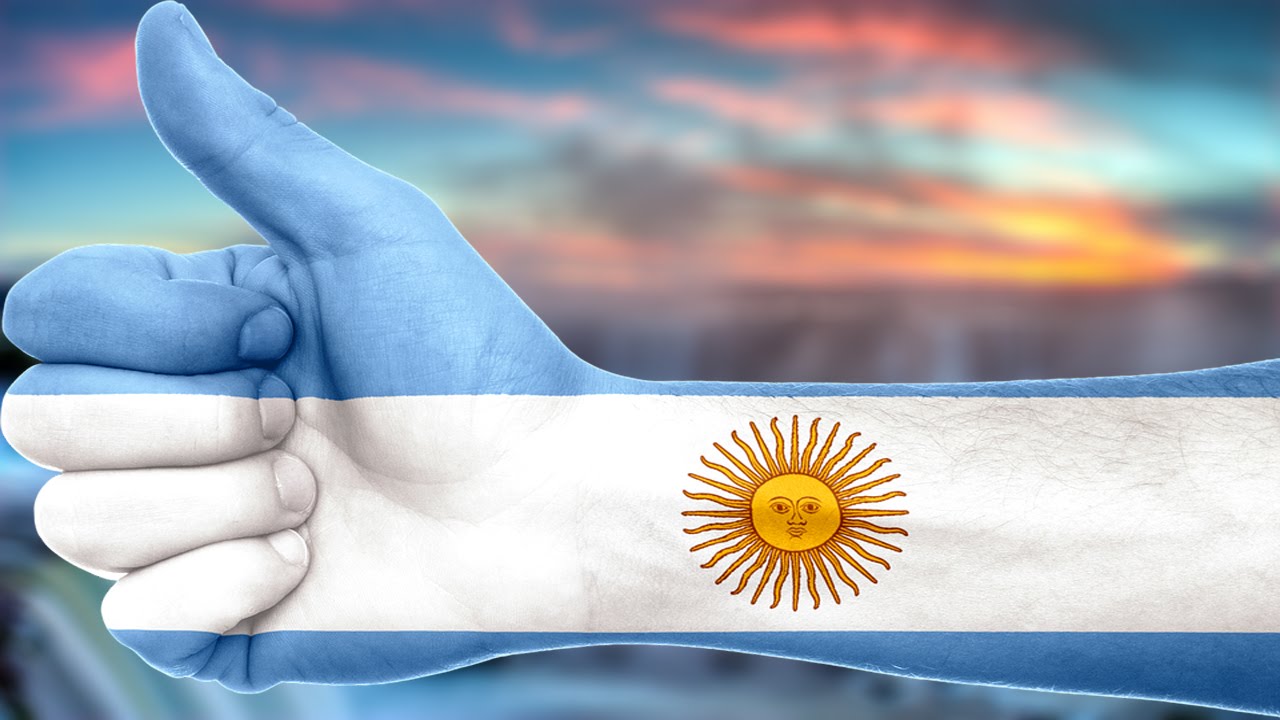
25 Fascinating Facts About Argentina 🇦🇷
Discover 25 cool facts about Argentina and explore more in our Geography & Travel playlist. Subscribe for more!
List 25
185.5K views • Jun 28, 2016
About this video
25 Cool Facts About Argentina | List25
Want more? Check out the Geography & Travel Playlist: http://bit.ly/1QWZbia
If you like this video subscribe to List25: http://bit.ly/1rPhSQH
Argentina is a well-known South American nation with a relatively short history but a very rich and interesting culture. Its impressive, cosmopolitan capital, Buenos Aires, is centered on the sixteenth-century Plaza de Mayo, lined with stately buildings including the Casa Rosada, the iconic, balconied presidential palace. The country is widely known for the tango, elegant architecture, steak, wine, and soccer, while some of the most legendary figures of the twentieth century came from Argentina, including Eva Perón, Che Guevara, and Diego Armando Maradona. With a mainland area of 2,780,400 km2 (1,073,500 sq mi), Argentina is one of the largest countries in the world, the second largest in Latin America behind Brazil, and the largest Spanish-speaking one. Even though the earliest recorded human presence in the area of modern-day Argentina dates to the Paleolithic period, the nation has its roots in Spanish colonization during the sixteenth century. With massive waves of European immigration taking place during the last decades of the nineteenth century and the early years of the twentieth, the country radically reshaped its cultural and demographic outlook and took the form it pretty much has today. If this intro is not enough for you, however, here follow 25 Cool Facts About Argentina that will enlighten you about this beautiful country.
Follow us on:
Twitter: https://twitter.com/list25
Facebook: https://www.facebook.com/list25
Website: http://list25.com
Instagram: https://instagram.com/list25/
Pinterest: https://www.pinterest.com/list25/
Check out the physical list here: http://list25.com/25-cool-facts-about-argentina/
The name Argentina comes from the Latin word for silver, argentum. The original European settlers believed the country was full of silver, but the rumor was never verified.
Statistically, Argentina has the largest white (of European ancestry) population of any nation in the Americas. According to the nation’s 2010 census, nearly ninety-seven percent of Argentina’s population (38 million out of 40) was found to be of European or mostly European descent.
Lionel Messi is widely considered the greatest footballer in the world for this generation, but this is common knowledge among sports fans. What most don’t know, however, is that officials in Rosario, Messi’s hometown, have banned parents from naming their children “Messi” because they were afraid it would cause too much confusion for the locals.
One of the most popular dances in the world, the tango originated in the slaughterhouse district of Buenos Aires around the end of the nineteenth century. Sometimes described as “making love in a vertical position,” it was thought to originally be a dance for men. However, in the port community of Buenos Aires, female prostitutes became the first official tango dancers in history to seduce their clients.
Between 1974 and 1983, up to thirty thousand people went “missing” in Argentina. Most were killed by the military junta running the country. Also, during that dictatorship, opponents were pushed out of planes alive with weights attached to their feet so no bodies would be found as evidence.
One of the most famous first ladies in history and the most admired and loved in Argentina, Eva Perón (portrayed by Madonna in the 1996 film Evita), became a global symbol of freedom and feminism for her political battles. Cristina Fernández de Kirchner, the first elected female president of Argentina (2007–15), once stated that women of her generation owe a debt to Eva for “her example of passion and combativeness.”
To get an idea how much the Argentines loved Eva Perón, eight people were crushed to death and more than two thousand injured following her funeral procession.
Argentina is the third-biggest producer of beef in the world. It produces around 2.8 to 3.5 million tons a year, while the Argentine steak is famous for being one of the biggest and tastiest in the world.
Aconcagua Mountain is not only the highest point in Argentina but also the tallest mountain in the Americas, measuring 22,841 feet (6,962 meters) high. Aconcagua means “stone guard” in an indigenous dialect.
Argentine Spanish is referred to as lunfardo, which is a type of slang that emerged in Buenos Aires around 1900. It is more similar to Italian than Mexican Spanish and may have originated as a form of criminal slang.
Outro Links:
25 Cheapest Places To Travel That Won't Break Your Budget: http://bit.ly/1QR4uo7
25 Most Obese States in the United States of America: http://bit.ly/1ZxiQf8
Want more? Check out the Geography & Travel Playlist: http://bit.ly/1QWZbia
If you like this video subscribe to List25: http://bit.ly/1rPhSQH
Argentina is a well-known South American nation with a relatively short history but a very rich and interesting culture. Its impressive, cosmopolitan capital, Buenos Aires, is centered on the sixteenth-century Plaza de Mayo, lined with stately buildings including the Casa Rosada, the iconic, balconied presidential palace. The country is widely known for the tango, elegant architecture, steak, wine, and soccer, while some of the most legendary figures of the twentieth century came from Argentina, including Eva Perón, Che Guevara, and Diego Armando Maradona. With a mainland area of 2,780,400 km2 (1,073,500 sq mi), Argentina is one of the largest countries in the world, the second largest in Latin America behind Brazil, and the largest Spanish-speaking one. Even though the earliest recorded human presence in the area of modern-day Argentina dates to the Paleolithic period, the nation has its roots in Spanish colonization during the sixteenth century. With massive waves of European immigration taking place during the last decades of the nineteenth century and the early years of the twentieth, the country radically reshaped its cultural and demographic outlook and took the form it pretty much has today. If this intro is not enough for you, however, here follow 25 Cool Facts About Argentina that will enlighten you about this beautiful country.
Follow us on:
Twitter: https://twitter.com/list25
Facebook: https://www.facebook.com/list25
Website: http://list25.com
Instagram: https://instagram.com/list25/
Pinterest: https://www.pinterest.com/list25/
Check out the physical list here: http://list25.com/25-cool-facts-about-argentina/
The name Argentina comes from the Latin word for silver, argentum. The original European settlers believed the country was full of silver, but the rumor was never verified.
Statistically, Argentina has the largest white (of European ancestry) population of any nation in the Americas. According to the nation’s 2010 census, nearly ninety-seven percent of Argentina’s population (38 million out of 40) was found to be of European or mostly European descent.
Lionel Messi is widely considered the greatest footballer in the world for this generation, but this is common knowledge among sports fans. What most don’t know, however, is that officials in Rosario, Messi’s hometown, have banned parents from naming their children “Messi” because they were afraid it would cause too much confusion for the locals.
One of the most popular dances in the world, the tango originated in the slaughterhouse district of Buenos Aires around the end of the nineteenth century. Sometimes described as “making love in a vertical position,” it was thought to originally be a dance for men. However, in the port community of Buenos Aires, female prostitutes became the first official tango dancers in history to seduce their clients.
Between 1974 and 1983, up to thirty thousand people went “missing” in Argentina. Most were killed by the military junta running the country. Also, during that dictatorship, opponents were pushed out of planes alive with weights attached to their feet so no bodies would be found as evidence.
One of the most famous first ladies in history and the most admired and loved in Argentina, Eva Perón (portrayed by Madonna in the 1996 film Evita), became a global symbol of freedom and feminism for her political battles. Cristina Fernández de Kirchner, the first elected female president of Argentina (2007–15), once stated that women of her generation owe a debt to Eva for “her example of passion and combativeness.”
To get an idea how much the Argentines loved Eva Perón, eight people were crushed to death and more than two thousand injured following her funeral procession.
Argentina is the third-biggest producer of beef in the world. It produces around 2.8 to 3.5 million tons a year, while the Argentine steak is famous for being one of the biggest and tastiest in the world.
Aconcagua Mountain is not only the highest point in Argentina but also the tallest mountain in the Americas, measuring 22,841 feet (6,962 meters) high. Aconcagua means “stone guard” in an indigenous dialect.
Argentine Spanish is referred to as lunfardo, which is a type of slang that emerged in Buenos Aires around 1900. It is more similar to Italian than Mexican Spanish and may have originated as a form of criminal slang.
Outro Links:
25 Cheapest Places To Travel That Won't Break Your Budget: http://bit.ly/1QR4uo7
25 Most Obese States in the United States of America: http://bit.ly/1ZxiQf8
Tags and Topics
Browse our collection to discover more content in these categories.
Video Information
Views
185.5K
Likes
2.8K
Duration
8:50
Published
Jun 28, 2016
User Reviews
4.7
(37) Related Trending Topics
LIVE TRENDSRelated trending topics. Click any trend to explore more videos.
No specific trending topics match this video yet.
Explore All Trends