1 Peter 3:19 - Christ's Power Over Fallen Angels ✝️
Explore the meaning of 1 Peter 3:19 and how Christ holds authority over fallen angels, a topic debated among scholars and theologians.

Gospel Illuminations
7.5K views • Feb 1, 2024
About this video
In 1 Peter 3:19, we encounter a passage that has been the subject of various interpretations and debates among scholars and theologians. To understand its meaning, it's crucial to approach it with a commitment to a straightforward, contextual reading of the text.
The verse states: "by whom also He went and preached to the spirits in prison." Let's break this down step by step.
First, "by whom" refers to Christ. The preceding verses (1 Peter 3:18) make it clear that the subject is Jesus Christ. It is He who suffered and died for our sins.
Next, it says, "He went." This phrase implies movement or action by Christ. After His crucifixion, death, and burial, He went somewhere.
Now, the contentious part of the verse is "and preached to the spirits in prison." Some have proposed different interpretations, but a literal reading suggests that Jesus went to proclaim a message to spirits in a prison.
Who are these "spirits in prison"? To grasp this, we should consider the broader biblical context. In 2 Peter 2:4, we find a parallel passage: "For if God did not spare the angels who sinned, but cast them down to hell and delivered them into chains of darkness, to be reserved for judgment." This verse speaks of angels who sinned and were imprisoned in darkness awaiting judgment.
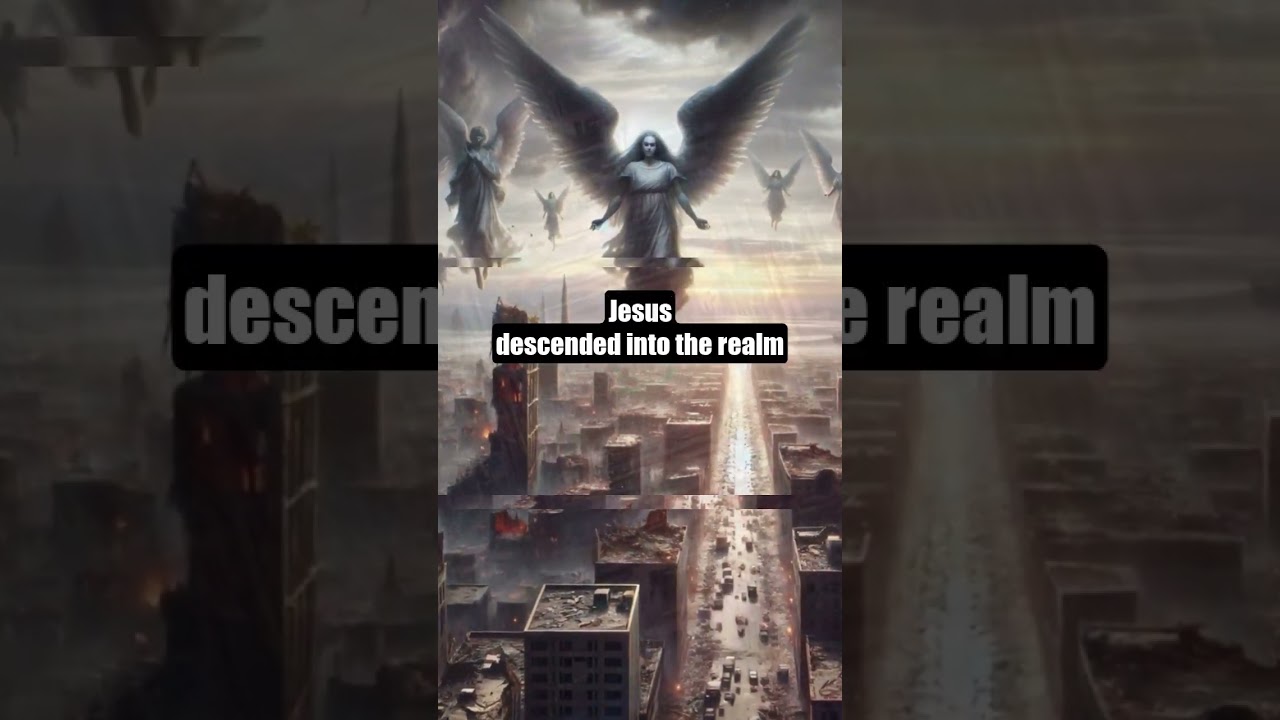
Combining the context of both Peter's letters, it appears that 1 Peter 3:19 is referring to these fallen angels. Christ, after His death on the cross, descended to a place where these rebellious spirits were imprisoned.
Now, what did Christ do there? The verse says He "preached." This preaching is not in the sense of offering salvation or a second chance to these fallen angels. Instead, it likely signifies a proclamation of His victory and authority over sin and death. It is a declaration of His triumph, announcing that the penalty for sin had been paid and that He is the ultimate victor.
Some may wonder why Christ would do this. One reason could be to further demonstrate His authority and sovereignty over all things, including the spiritual realm. It magnifies the extent of His redemptive work, showing that it reaches even into the depths of the spiritual world.
In summary, 1 Peter 3:19 portrays Christ's post-crucifixion descent to proclaim His victory and authority over the fallen angels who were imprisoned in darkness. This interpretation aligns with a straightforward reading of the text and is consistent with the broader biblical context. It emphasizes the supremacy of Christ and the comprehensive nature of His redemptive work, reminding us of the power and authority of our Savior.
The verse states: "by whom also He went and preached to the spirits in prison." Let's break this down step by step.
First, "by whom" refers to Christ. The preceding verses (1 Peter 3:18) make it clear that the subject is Jesus Christ. It is He who suffered and died for our sins.
Next, it says, "He went." This phrase implies movement or action by Christ. After His crucifixion, death, and burial, He went somewhere.
Now, the contentious part of the verse is "and preached to the spirits in prison." Some have proposed different interpretations, but a literal reading suggests that Jesus went to proclaim a message to spirits in a prison.
Who are these "spirits in prison"? To grasp this, we should consider the broader biblical context. In 2 Peter 2:4, we find a parallel passage: "For if God did not spare the angels who sinned, but cast them down to hell and delivered them into chains of darkness, to be reserved for judgment." This verse speaks of angels who sinned and were imprisoned in darkness awaiting judgment.
Combining the context of both Peter's letters, it appears that 1 Peter 3:19 is referring to these fallen angels. Christ, after His death on the cross, descended to a place where these rebellious spirits were imprisoned.
Now, what did Christ do there? The verse says He "preached." This preaching is not in the sense of offering salvation or a second chance to these fallen angels. Instead, it likely signifies a proclamation of His victory and authority over sin and death. It is a declaration of His triumph, announcing that the penalty for sin had been paid and that He is the ultimate victor.
Some may wonder why Christ would do this. One reason could be to further demonstrate His authority and sovereignty over all things, including the spiritual realm. It magnifies the extent of His redemptive work, showing that it reaches even into the depths of the spiritual world.
In summary, 1 Peter 3:19 portrays Christ's post-crucifixion descent to proclaim His victory and authority over the fallen angels who were imprisoned in darkness. This interpretation aligns with a straightforward reading of the text and is consistent with the broader biblical context. It emphasizes the supremacy of Christ and the comprehensive nature of His redemptive work, reminding us of the power and authority of our Savior.
Video Information
Views
7.5K
Likes
223
Duration
0:54
Published
Feb 1, 2024
User Reviews
4.6
(1) Related Trending Topics
LIVE TRENDSRelated trending topics. Click any trend to explore more videos.
No specific trending topics match this video yet.
Explore All Trends